Go Dog Sledding
From $150

Go Dog Sledding
Mush across snowy landscapes pulled by excited huskies.
At a Glance
$150+
Half day to multi-day
Norway, Alaska, Canada, Finland
December to March
About This Experience
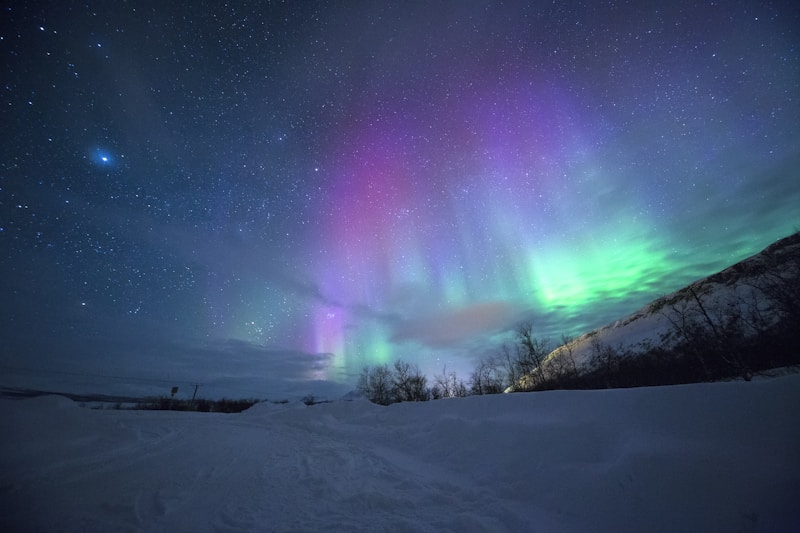
Dog sledding connects you to a mode of Arctic transportation that predates motorized alternatives by thousands of years—the partnership between humans and dogs that made life possible in latitudes where walking cannot cover necessary distances and cold can kill the unprepared. The team of huskies, bred across generations for the specific purpose of pulling sleds, brings enthusiasm that borders on frenzy at the prospect of running; the trail brings silence broken only by panting and the hiss of runners across snow; the connection with dogs whose entire purpose is this work provides something that modern life rarely offers. The experience typically begins with the dogs' excitement, which is genuine and intense. Huskies are bred to run—they want to run the way fish want to swim—and the prospect of actually doing so produces barking and leaping and straining against harnesses that can seem alarming to newcomers. This energy is not aggression; it's joy. When the brake releases and the team surges forward, the transition from chaos to focused movement is immediate and remarkable. The dogs know their jobs; they settle into rhythm; the noise subsides into the sounds of travel. The trail experience varies from short tourist rides to multi-day expeditions. A two-hour tour provides enough time to grasp the basics: the commands (gee for right, haw for left, whoa for stop), the balance on the runners, the braking technique, the feel of the team's power. Multi-day trips transform introduction into immersion: you care for dogs at camps, develop relationships with specific team members, navigate by trail knowledge and instinct, and understand why this mode of travel persists despite motorized alternatives that don't require feeding, watering, or rest. The Scandinavian and Arctic regions provide traditional settings. Tromsø, Norway positions dog sledding within northern lights viewing season—the combination of aurora overhead while driving a team through snowy landscape creates layered memories. Finnish Lapland offers wilderness camps and indigenous Sami culture. Swedish and Norwegian fjord country provides dramatic scenery. Iceland offers glacier backdrops. Alaska provides American access to sled dog tradition. Each location shapes the experience through landscape, weather, and cultural context. The dogs themselves deserve attention beyond their function. Most operations use Alaskan huskies (bred for performance rather than appearance) or Siberian huskies (the classic image of sled dogs). The animals bond with their mushers (drivers) and with each other; team dynamics involve hierarchy, personalities, and relationships that extend over seasons of working together. Visitors who help with feeding, watering, and care develop appreciation for the dogs as individuals rather than interchangeable power units. Some find themselves thinking about these dogs months or years later. The skill development for independent dog sledding involves more than a tourist ride can convey. Managing a team requires reading dogs' behavior, making trail decisions, handling emergencies, and providing care that the animals depend upon. The Iditarod and other races demonstrate mastery that takes years to develop. Short experiences provide taste; true capability requires commitment that most visitors won't pursue. But even brief exposure reveals why some people dedicate their lives to this partnership. The physical demands include standing on runners for hours, bracing against dog power, managing cold exposure, and the surprising upper body exertion of steering and braking. The standing position differs from passive transportation; you're an active participant whose balance and input affect the team's performance. Cold-weather clothing is essential—temperatures can drop far below what you've experienced, and wind chill on a moving sled intensifies the cold. Operations provide suits and boots; wearing what they offer rather than your own inadequate gear matters. The silence of the trail, between barking and commands, creates space for thought that motorized travel eliminates. The pace is fast enough to feel like movement, slow enough to observe. The landscape passes in ways that cars and snowmobiles don't permit. This quality of attention—present, engaged, quiet—draws people back to dog sledding despite its complications and costs.
Cost Breakdown
Estimated costs can vary based on location, season, and personal choices.
Budget
Basic experience, economical choices
Mid-Range
Comfortable experience, quality choices
Luxury
Premium experience, best options
Difficulty & Requirements
Accessible for most people with basic planning.
Physical Requirements
Ability to stand and balance
Prerequisites
- Dress very warmly
Tips & Advice
Multi-day trips are the most authentic
Dogs love to run - their excitement is contagious
Help with dog care for deeper connection
Tromsø, Norway offers spectacular northern lights trips
Don't forget hand and toe warmers
Community Discussion
Ask questions, share tips, or read experiences from others.
View Discussions Start DiscussionShare This Experience
Quick Summary
- Category Adventure
- Starting Cost $150
- Time Needed Half day to multi-day
- Best Season December to March
- Difficulty Moderate
Explore More
You Might Also Like
Hike Under the Midnight Sun
Trek through endless daylight in the Arctic summer.
Kayak Under the Northern Lights
Paddle through Arctic waters as aurora dances overhead.
Complete the Iditarod
Race 1,000 miles across Alaska by dog sled.

Go Caving/Spelunking
Explore underground caverns and hidden worlds.