Attend a Major Food Festival
From $50
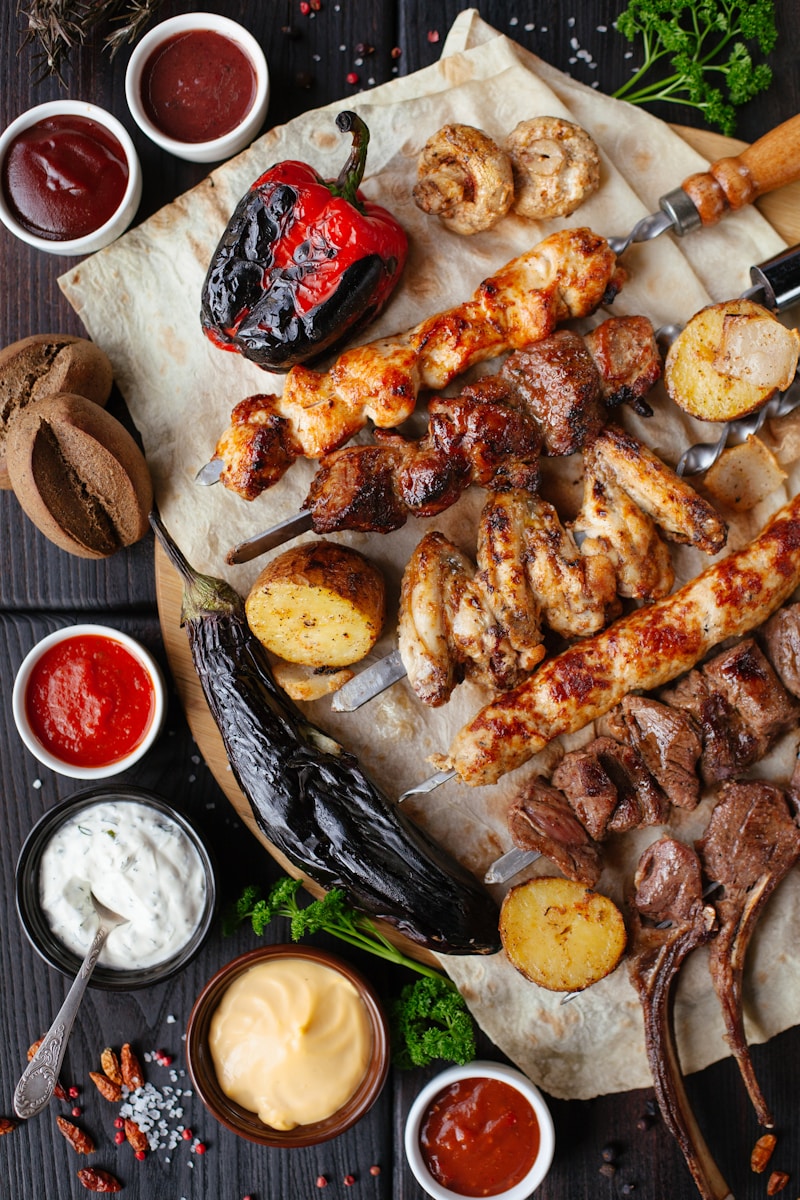
Attend a Major Food Festival
Immerse yourself in a celebration of cuisine.
At a Glance
$50+
1-4 days
Worldwide
Varies by festival
About This Experience
Major food festivals concentrate culinary excellence into immersive experiences where celebrated chefs demonstrate techniques, premium producers pour their finest, and fellow food enthusiasts share passion that transforms eating from necessity into community. These events—ranging from intimate wine weekends to massive public spectacles—provide access to food world luminaries, products unavailable through normal channels, and concentrated education that would require months of travel to duplicate through restaurant visits alone. The Aspen Food & Wine Classic stands as perhaps America's most prestigious culinary gathering, drawing food media, celebrity chefs, and serious enthusiasts to Colorado mountains each June. The three-day event combines grand tasting pavilions with intimate seminars, cooking demonstrations with industry panels, creating an atmosphere where food conversation permeates every moment. Tickets sell out immediately, prices run high, and the experience justifies both barriers—concentrated exposure to quality impossible to achieve otherwise. Melbourne Food and Wine Festival represents the Southern Hemisphere's equivalent, a multi-week celebration showcasing Australian culinary evolution and international guest chefs. The festival's duration allows deeper engagement than concentrated weekend events, with special dinners, producer visits, and themed experiences extending throughout the season. Australia's food scene has matured dramatically, and the festival demonstrates this growth through both established excellence and experimental innovation. European food festivals often focus more narrowly, celebrating specific ingredients or regional traditions with intensity that broad-spectrum events cannot match. The Alba White Truffle Fair in Piedmont each autumn centers the world's most expensive ingredient, with auctions, tastings, and truffle-focused meals throughout the town. La Tomatina in Spain, while technically a tomato-throwing festival, represents the extreme end of food celebration—messy, chaotic, and utterly unique. Asian food festivals have grown substantially, with Singapore Food Festival, Tokyo Taste, and numerous Chinese regional celebrations attracting international participation. These events provide access to cuisines that Westerners struggle to experience authentically at home, with vendors, demonstrations, and products representing traditions across vast culinary territories. The festival experience extends beyond mere consumption. Demonstrations by renowned chefs reveal techniques that recipes cannot convey—the hand movements, the timing decisions, the recovery from mistakes that distinguish experts from followers of instructions. These performances educate while entertaining, often allowing question-and-answer sessions that provide personalized guidance. Watching someone who has cooked the same dish thousands of times prepare it once for you creates understanding no video tutorial can replicate. Industry access at food festivals creates opportunities unavailable elsewhere. Meeting winemakers, farmers, cheesemakers, and other producers directly allows conversation beyond transactional purchasing. Understanding the stories, struggles, and philosophies behind products transforms consumption into relationship. Many festival connections develop into ongoing relationships—direct purchases from producers, visits to their operations, genuine friendships forged over shared passion. The social dimension of food festivals deserves emphasis. Surrounded by fellow enthusiasts, conversation flows easily around shared interests that might seem niche in daily life. The stranger at the next tasting station likely shares your obsessive interest in aged cheese or natural wine or whatever drew you both to this particular seminar. These connections, sometimes fleeting and sometimes lasting, demonstrate that food interest creates community across other divides. Planning effective festival attendance requires strategy. Understanding the schedule, prioritizing must-see events, pacing consumption to maintain appreciation throughout, and managing physical stamina through long days distinguishes rewarding experiences from exhausting ones. VIP tickets often provide value through early access, smaller crowds, and exclusive events that justify premium pricing. Researching which producers and chefs will attend allows targeted engagement rather than random wandering. The memories crystallized at food festivals often become personal reference points—the bottle that redefined your understanding of particular wine, the dish that revealed possibilities in familiar ingredients, the conversation with a producer whose passion changed how you think about farming or fermentation. These compressed experiences, impossible to achieve through ordinary consumption, justify the expense and effort that serious food festivals require.
Cost Breakdown
Estimated costs can vary based on location, season, and personal choices.
Budget
Basic experience, economical choices
Mid-Range
Comfortable experience, quality choices
Luxury
Premium experience, best options
Difficulty & Requirements
Perfect for beginners. Minimal preparation needed.
Physical Requirements
Walking, standing
Prerequisites
- Tickets often sell out
Tips & Advice
Aspen Food & Wine is legendary
Taste of Chicago is massive
Melbourne Food & Wine Festival is excellent
Book accommodation early
VIP tickets often worth it for access
Related Topics
Community Discussion
Ask questions, share tips, or read experiences from others.
View Discussions Start DiscussionShare This Experience
Quick Summary
- Category Food & Drink
- Starting Cost $50
- Time Needed 1-4 days
- Best Season Varies by festival
- Difficulty Easy
You Might Also Like
Dine at a Michelin-Starred Restaurant
Experience haute cuisine at its finest.
Make Fresh Pasta in Italy
Learn to make pasta by hand with Italian nonnas.
Wine Tasting in Napa Valley
Sample world-class wines in California's premier wine region.
Take a Street Food Tour
Discover authentic local flavors through street vendors.