Attend a Foraged Dinner
From $100
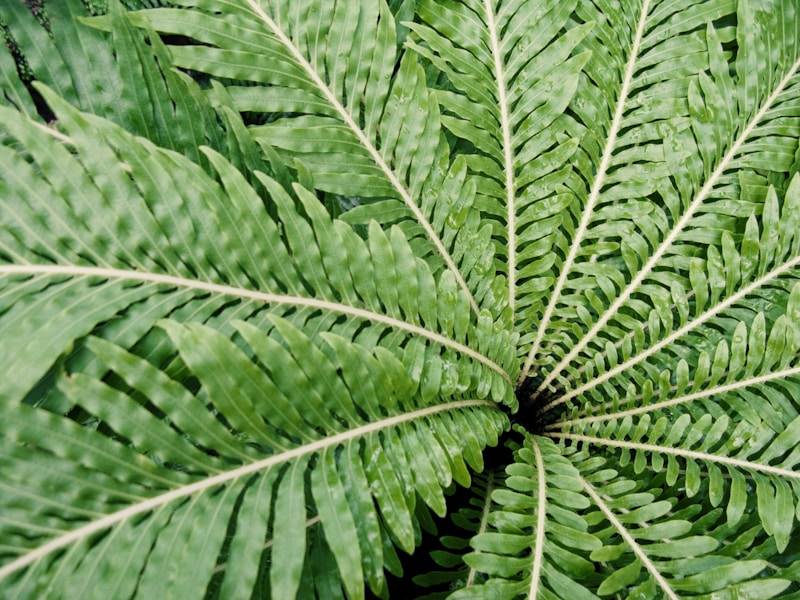
Attend a Foraged Dinner
Dine on ingredients gathered from the wild that day.
At a Glance
$100+
3-5 hours
Spring through fall
About This Experience
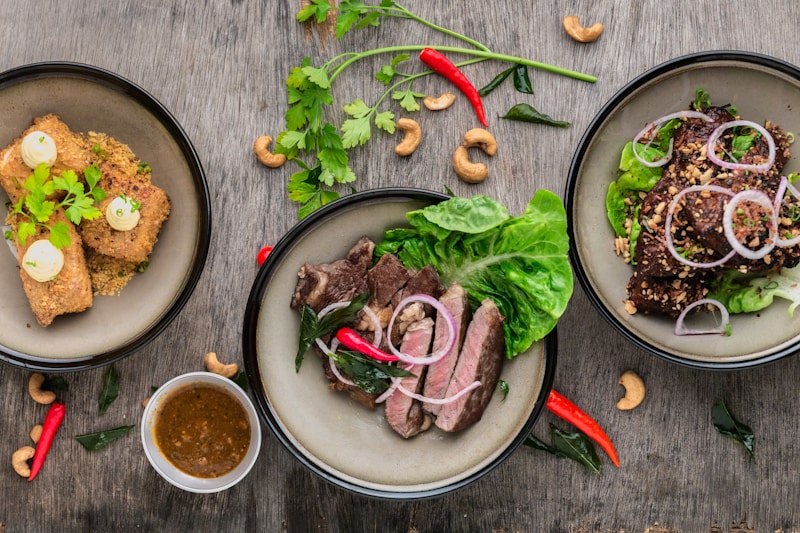
Foraged dinners represent cuisine at its most immediate and local, showcasing what skilled foragers and creative chefs can coax from the wild landscape on any given day. These meals, featuring wild mushrooms, foraged greens, edible flowers, and ingredients most people walk past unknowing, demonstrate that exceptional dining doesn't require imported luxury goods—abundance grows all around us if we know how to see it. The experience challenges assumptions about food sourcing while delivering genuinely delicious meals that could not exist anywhere else or at any other time. The modern foraged dinner movement traces significant inspiration to Noma in Copenhagen, where René Redzepi's team transformed Nordic foraging traditions into one of the world's most celebrated restaurants. By showcasing ingredients like reindeer moss, wood ants, and sea buckthorn alongside more conventional items, Noma demonstrated that local wild ingredients could star in fine dining rather than merely garnish it. This approach spawned countless imitators and inspired chefs worldwide to explore their own regions' wild edibles with new seriousness. What appears on a foraged dinner menu depends entirely on what the landscape provides when the forager walks it. Spring might feature ramps (wild leeks), fiddlehead ferns, and morel mushrooms emerging from warming soil. Summer brings an explosion of edible flowers, berries, and tender greens. Autumn showcases the mushroom kingdom's diversity—chanterelles, porcini, hen of the woods, lion's mane—alongside nuts, late berries, and seeds. Winter foraging continues even in cold climates, with evergreen needles, preserved ingredients, and hardy plants providing material for creative cooks. This seasonality forces menu flexibility that predetermined menus cannot accommodate. The forager's expertise determines what reaches the kitchen. Identifying edible wild plants requires knowledge accumulated over years, as mistakes can range from unpleasant to fatal—many toxic plants resemble edible ones closely enough to confuse the untrained eye. Understanding where particular species grow, when they reach optimal ripeness, and how to harvest sustainably without depleting populations distinguishes professional foragers from weekend hobbyists. The best foraged dinners feature foragers as prominently as chefs, acknowledging that sourcing matters as much as preparation. Many foraged dinners incorporate walks with the forager before the meal, allowing guests to see ingredients in their natural habitats before encountering them on plates. These educational components transform meals into immersive experiences, providing context that makes each bite more meaningful. You might follow a guide through forest understory, learning to identify chickweed from poisonous lookalikes, or wade into marshes gathering sea beans that will appear hours later alongside local fish. The knowledge gained often lingers longer than the meal itself, changing how you see landscapes ever after. The preparation of foraged ingredients demands culinary creativity beyond conventional cooking. Many wild plants taste intensely—more bitter, more sour, more tannic than their cultivated cousins—requiring techniques to moderate or highlight these characteristics. Blanching bitters into submission, fermenting to transform flavors, combining with rich fats to balance astringency: these approaches differ from recipes designed around the mellow flavors of farmed produce. Chefs working with foraged ingredients often develop unique preparations that can't be replicated with conventional substitutes. Finding quality foraged dinners requires research, as the concept has been diluted by restaurants that use "foraged" as marketing while serving conventional ingredients with occasional garnishes of wild greens. Genuine foraged dinners feature wild ingredients centrally, with forager and chef relationships clearly credited. Pop-up events from dedicated forager-chef teams often provide the purest experiences, though some restaurants maintain year-round foraged programs supplementing conventional ingredients with whatever the current season provides. The experience connects diners with food systems predating agriculture, reminding us that humans survived for most of our species' history by eating what the land provided rather than planting and harvesting domesticated crops. This connection carries both romantic and practical implications: romantic in its suggestion that we can still feed ourselves from wild abundance, practical in demonstrating that local food systems need not depend entirely on farming. Neither perspective fully captures reality—foraged food cannot scale to feed modern populations—but both enrich understanding of where food comes from and what it can be. Seasonal timing and location determine availability. Spring and autumn typically offer the richest foraging, with the shoulder seasons' transitional conditions producing the greatest variety. Regions with diverse ecosystems—forests, meadows, coastlines, wetlands—provide more material than monoculture agricultural areas. The Pacific Northwest, Scandinavia, and various mountain regions have become foraging hotspots, though skilled foragers find abundance in landscapes others consider barren.
Cost Breakdown
Estimated costs can vary based on location, season, and personal choices.
Budget
Basic experience, economical choices
Mid-Range
Comfortable experience, quality choices
Luxury
Premium experience, best options
Difficulty & Requirements
Perfect for beginners. Minimal preparation needed.
Physical Requirements
None for dinner, foraging walk varies
Prerequisites
- Reservation
Tips & Advice
Some include a foraging walk before dinner
Spring and fall have the most variety
Noma pioneered this at fine dining level
Local foraging chefs often offer popup dinners
Menu depends on what nature provides
Community Discussion
Ask questions, share tips, or read experiences from others.
View Discussions Start DiscussionShare This Experience
Quick Summary
- Category Food & Drink
- Starting Cost $100
- Time Needed 3-5 hours
- Best Season Spring through fall
- Difficulty Easy
You Might Also Like
Dine at a Michelin-Starred Restaurant
Experience haute cuisine at its finest.
Make Fresh Pasta in Italy
Learn to make pasta by hand with Italian nonnas.
Wine Tasting in Napa Valley
Sample world-class wines in California's premier wine region.
Take a Street Food Tour
Discover authentic local flavors through street vendors.