Learn to Sail
From $500
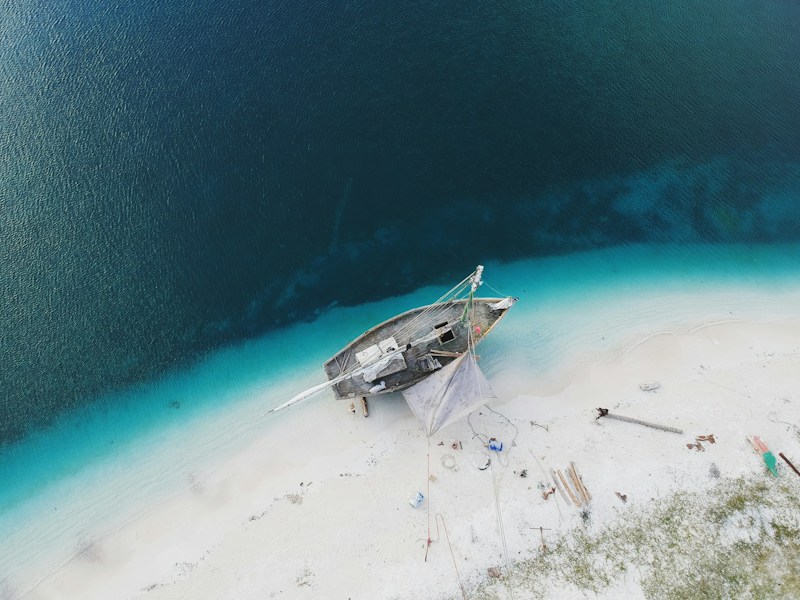
Learn to Sail
Master the art of harnessing wind to navigate the water.
At a Glance
$500+
Basic competency in 1-2 weeks
Spring through fall
About This Experience
Learning to sail opens access to a dimension of freedom that powerboats and shore-bound life cannot provide—the ability to travel across water using only wind, understanding the invisible forces that fill sails, and experiencing the profound connection with natural elements that has drawn humans to sailing for millennia. The skills develop from basic boat handling through the seamanship required for offshore passages, creating a progression that can occupy a lifetime of learning. The fundamental concepts underlying sailing seem counterintuitive until experienced. Boats can sail upwind, not by heading directly at the wind (which produces no forward motion) but by zigzagging at angles to the wind, with the sail acting as an airfoil generating lift rather than simply catching wind like a bag. Understanding this principle—and its implications for points of sail, tacking, and trim—constitutes the conceptual foundation that makes practical skills comprehensible. The basic boat handling skills develop through practice in small boats where the consequences of mistakes remain minor. Tacking (turning through the wind when sailing upwind), jibing (turning with the wind behind), adjusting sail trim for changing conditions, and maintaining awareness of wind direction build through repetition until they become automatic. Small boats like dinghies or keelboats under 25 feet teach fundamentals more effectively than larger vessels where complexity obscures the basic relationships between wind, sail, and boat. The certification programs from organizations like the American Sailing Association (ASA) or Royal Yachting Association (RYA) provide structured curricula that progress from basic keelboat handling through coastal cruising and offshore passage-making. The certifications serve multiple purposes: ensuring systematic skill development, providing credentials that charter companies accept, and creating benchmarks for self-assessment. A typical beginner can complete ASA 101 (basic keelboat) and ASA 103 (basic coastal cruising) in a week of intensive instruction. The navigation skills essential for sailing extend beyond GPS dependence into understanding currents, tides, weather patterns, and the traditional techniques that enabled pre-electronic sailors to cross oceans. While modern electronics have transformed navigation's mechanics, the judgment about when to sail, when to wait, and which routes to choose still requires understanding the natural systems that move water and air. Learning to read weather—watching clouds, feeling wind shifts, interpreting pressure changes—develops through experience on the water. The sailing club and community access paths provide alternatives to boat ownership that make sailing accessible to those unwilling or unable to purchase vessels. Sailing clubs offer fleet boats to members; chartering provides access to boats worldwide; crewing on racing boats provides high-level experience with zero equipment investment. The sailing community's tradition of teaching newcomers means that willingness to learn often substitutes for financial resources. The racing dimension of sailing provides focused skill development alongside competitive engagement. Even casual racing sharpens boat handling, trim optimization, and tactical thinking far beyond what cruising practice develops. The format ranges from informal club racing accessible to beginners through Olympic-level competition and offshore ocean races. Racing sailors often become the best sailors because the competitive pressure forces continuous improvement. The cruising dimension offers adventure and travel that racing lacks. The ability to sail a boat to distant destinations—whether afternoon trips to nearby anchorages or ocean crossings to foreign lands—constitutes sailing's ultimate freedom. Each level of skill opens new possibilities: day sailing to overnight cruising to coastal passages to open-ocean crossings. The progression can occupy decades while continuously expanding the world accessible by boat.
Cost Breakdown
Estimated costs can vary based on location, season, and personal choices.
Budget
Basic experience, economical choices
Mid-Range
Comfortable experience, quality choices
Luxury
Premium experience, best options
Difficulty & Requirements
Requires some preparation, skills, or resources.
Physical Requirements
Moderate fitness, swimming ability
Prerequisites
- Access to water and boats
Tips & Advice
Take an ASA or RYA certification course
Dinghies teach fundamentals better than big boats
Sailing clubs offer affordable access to boats
Crewing on racing boats accelerates learning
The terminology is half the battle
Community Discussion
Ask questions, share tips, or read experiences from others.
View Discussions Start DiscussionShare This Experience
Quick Summary
- Category Learning
- Starting Cost $500
- Time Needed Basic competency in 1-2 weeks
- Best Season Spring through fall
- Difficulty Challenging
You Might Also Like

Get a Pilot's License
Learn to fly and earn your private pilot certificate.

Get a Motorcycle License
Learn to ride a motorcycle and earn your license.

Become Fluent in a New Language
Achieve conversational fluency in a language you've always wanted to speak.

Learn to Play a Musical Instrument
Pick up an instrument and learn to play songs you love.