Taste Mezcal in Oaxaca
From $50
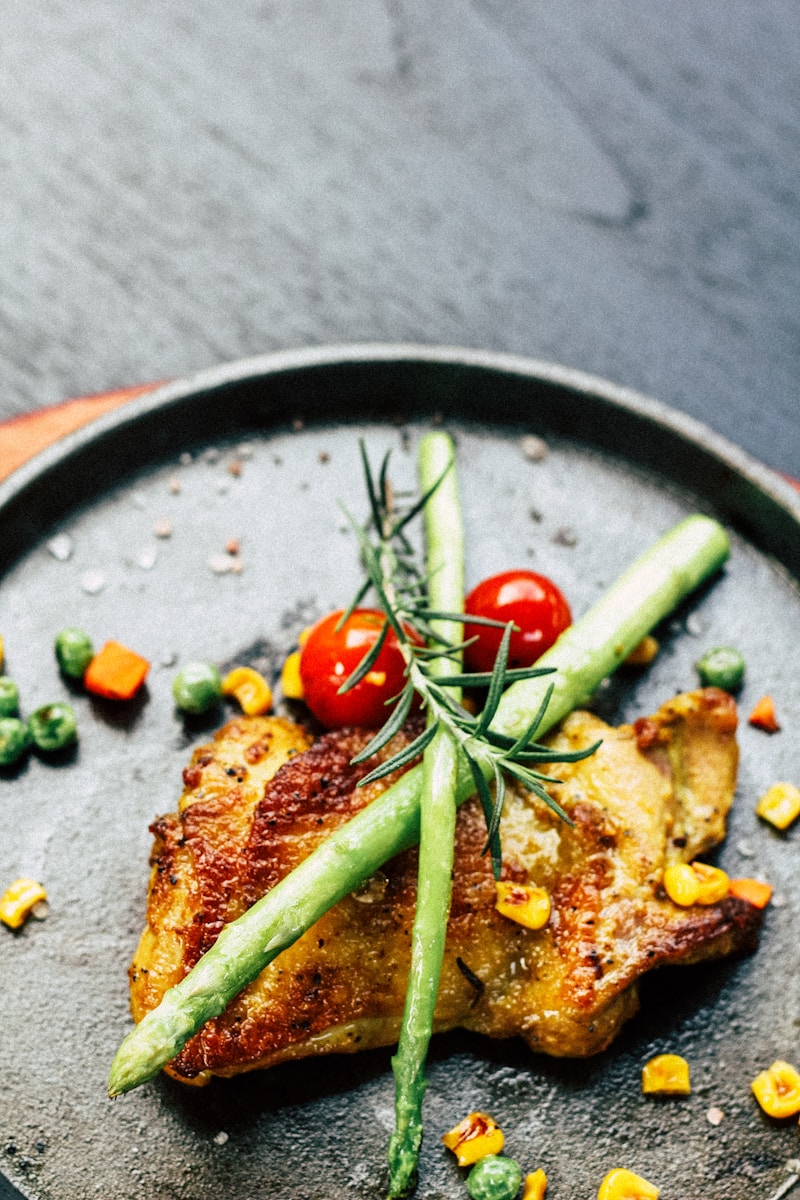
Taste Mezcal in Oaxaca
Discover the complexity of artisanal mezcal at its source.
At a Glance
$50+
1-3 days
Oaxaca, Mexico
Year-round
About This Experience
Mezcal, tequila's smokier, more complex cousin, has emerged from decades of obscurity to become one of spirits' most exciting categories. Visiting Oaxacan producers reveals artisanal traditions unchanged for generations—agave roasted in earthen pits, crushed by horse-drawn stone wheels, fermented in open wooden tanks, distilled in clay or copper stills—producing spirits of diversity and complexity that industrial tequila cannot approach. Understanding mezcal at its source transforms appreciation from casual sipping to genuine expertise. The fundamental distinction between mezcal and tequila lies in both geography and process. Tequila, legally, can only be made from blue agave in specific Mexican regions, primarily Jalisco. Mezcal can be made from over thirty agave varieties across nine states, with Oaxaca dominating production. More importantly, tequila is typically industrially produced using steam ovens, mechanical shredders, and stainless steel stills, while traditional mezcal maintains pre-industrial methods that create profoundly different results. The roasting process defines mezcal's distinctive character. Agave piñas—the hearts of mature plants that may have grown for ten to thirty years—are buried in earthen pits lined with hot rocks, covered with agave fibers and earth, and roasted for days. This underground cooking caramelizes sugars while imparting smoke from the smoldering wood and earth. The smoke flavor that characterizes mezcal comes entirely from this roasting; the spirit itself, like all distillates, is clear until color is added. The roasting technique varies between producers, creating the first of many variables that distinguish individual mezcals. Crushing the roasted agave traditionally employs a tahona—a massive stone wheel pulled by horse or donkey around a circular pit, crushing the fibers to release their sugary juice. Some producers have modernized to mechanical shredders, while others maintain entirely traditional methods. The crushed agave and its juice ferment together in wooden tanks, with wild yeasts from the environment driving fermentation rather than commercial cultures. This wild fermentation contributes flavors impossible to replicate with controlled industrial processes. Distillation in traditional Oaxacan mezcal occurs in clay pot stills—a technology predating European contact—or small copper stills of relatively recent introduction. The distiller's skill determines where to make cuts between heads, hearts, and tails of the distillation run, selecting the most desirable compounds while rejecting harsh or unpleasant ones. This requires taste and experience rather than instruments, making each batch's quality dependent on the distiller's judgment. Two-pass distillation is standard, though some producers perform three passes for additional refinement. The agave varieties used for mezcal create diversity far exceeding tequila's single-variety limitation. Espadín, the most common variety, matures in seven to eight years and produces relatively mild, approachable mezcals suitable for introduction. Tobalá, a wild variety growing in rocky highland soil, develops over fifteen years and produces complex, vegetal spirits considered among mezcal's finest. Tepeztate can take thirty years to mature, its rarity and complexity commanding premium prices. Tasting across varieties reveals how dramatically agave type affects flavor, with each variety expressing distinct character. Oaxacan mezcal tourism has grown substantially, with many palenques (production facilities) welcoming visitors. Some operators arrange tours that visit multiple producers in a day, providing comparison opportunities. The city of Oaxaca serves as base for exploring surrounding valleys where production concentrates. The experience includes not just tasting but observation of every production step, from agave fields to roasting pits to distillation, demystifying a spirit that seems exotic when purchased abroad. The mezcal drinking ritual in Oaxaca follows customs worth learning. Mezcal is sipped, not shot—its complexity rewards attention rather than rapid consumption. Small cups called copitas, sometimes fashioned from dried gourds, are traditional vessels. Orange slices with sal de gusano (a salt mixed with ground worm and chili) accompany mezcal, the combination cleansing palate between sips. The worm found in some mezcal bottles is marketing rather than tradition, a practice that serious mezcal producers consider degrading to genuine craft. Bringing mezcal home requires attention to Mexican export regulations and destination country import limits. The best mezcals—small-batch productions from wild agave—may not be available at all outside Mexico, making purchases at source particularly valuable. The price differential between Mexico and exported bottles also favors purchasing during visits, though luggage space and duty-free limits constrain quantities.
Cost Breakdown
Estimated costs can vary based on location, season, and personal choices.
Budget
Basic experience, economical choices
Mid-Range
Comfortable experience, quality choices
Luxury
Premium experience, best options
Difficulty & Requirements
Perfect for beginners. Minimal preparation needed.
Physical Requirements
None
Tips & Advice
Visit palenques (distilleries) for authentic experience
Espadín is common, but wild agaves are special
The "worm" is marketing, not tradition
Sip slowly - mezcal is meant to be savored
Oaxacan food pairs perfectly
Community Discussion
Ask questions, share tips, or read experiences from others.
View Discussions Start DiscussionShare This Experience
Quick Summary
- Category Food & Drink
- Starting Cost $50
- Time Needed 1-3 days
- Best Season Year-round
- Difficulty Easy
You Might Also Like
Dine at a Michelin-Starred Restaurant
Experience haute cuisine at its finest.
Make Fresh Pasta in Italy
Learn to make pasta by hand with Italian nonnas.
Wine Tasting in Napa Valley
Sample world-class wines in California's premier wine region.
Take a Street Food Tour
Discover authentic local flavors through street vendors.