Eat Authentic Paella in Valencia
From $15
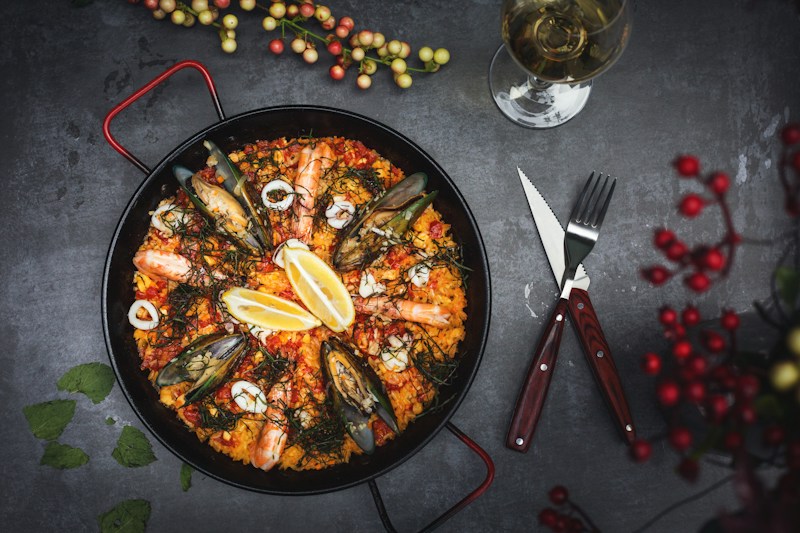
Eat Authentic Paella in Valencia
Taste paella in the region where it was born.
At a Glance
$15+
1.5-2 hours
Valencia, Spain
Year-round
About This Experience
Paella originated in Valencia, and eating it in its birthplace reveals how dramatically this iconic dish differs from the tourist versions served worldwide. Authentic Valencian paella is cooked over orange wood fires that impart subtle citrus smoke, made with local rice varieties that absorb flavor without becoming mushy, and prized for the socarrat—the caramelized, crispy rice at the bottom that represents the cook's ultimate achievement. Understanding what paella should be requires experiencing it where the dish evolved, made by cooks who inherited techniques refined over generations. The history of paella traces to the Valencia region's rice-growing areas, where farmers created one-pot meals over open fires using whatever ingredients were available. The original paella Valenciana contained rabbit, chicken, snails, green beans, white beans, saffron, olive oil, and rice—nothing from the sea despite international assumption that paella means seafood. This "original" recipe remains fiercely defended by Valencians who consider seafood paella a separate (if legitimate) dish and "mixed" paellas combining meat and seafood to be bastardizations invented for tourists who don't know better. The rice used for paella matters enormously. Bomba and Calasparra varieties, grown in Valencia's coastal wetlands and Murcia's mountain valleys respectively, absorb liquid while maintaining structure—critical for paella's characteristic texture where each grain remains distinct. These short-grain varieties can absorb two to three times their volume in flavored liquid, concentrating flavor throughout. Using long-grain rice, risotto rice, or other substitutes produces results that may be tasty but cannot achieve true paella character. The paella pan itself—a wide, shallow vessel that gives the dish its name—evolved specifically for this cooking method. The large surface area allows rice to spread thin, maximizing contact with heat for socarrat development while minimizing depth that would require stirring and break grains. Traditional pans are carbon steel, requiring seasoning and careful maintenance. Size increases to accommodate more servings, with the largest paellas for festivals requiring multiple cooks and special stands. The socarrat represents paella's holy grail, requiring judgment and timing that separates masters from amateurs. This bottom layer of rice, caramelized against the pan through careful heat management, provides textural contrast and concentrated flavor that elevates the entire dish. Achieving socarrat without burning demands experience—increasing heat at the right moment, listening for the characteristic crackling, smelling the transformation from cooking to caramelization. Restaurants that don't produce socarrat either lack skill or prioritize turnover over quality. Eating paella in Valencia follows its own customs. Paella is a lunch dish, traditionally eaten on Sundays and holidays when families gather. Eating it for dinner marks you immediately as a tourist, as does eating it alone—paella is communal, cooked in portions for sharing, and eaten directly from the pan rather than served onto individual plates. The cook typically receives first selection, having earned the right through labor. Everyone eats from the section of pan directly in front of them, not reaching across. The beachfront paella restaurants that line Valencia's coast provide the iconic setting but don't always deliver the best quality. Many cater to tourists with pre-made rice that violates every authentic principle. Better choices lie slightly inland, in the rice-growing areas of the Albufera lagoon region where paella originated, or in city restaurants focused on quality rather than views. The best indicator remains local clientele: Valencians don't suffer bad paella patiently. Beyond classic preparations, Valencia offers legitimate variations worth trying. Paella de marisco (seafood) features shrimp, mussels, clams, and fish over saffron-tinged rice. Arroz negro (black rice) incorporates squid ink for dramatic color and oceanic depth. Arroz a banda separates fish and rice, serving broth-cooked rice alongside fried seafood. Fideuà substitutes thin pasta for rice, creating a Catalan-influenced dish sometimes attributed to a forgetful cook who grabbed the wrong ingredient. The experience of eating paella in Valencia extends beyond the food itself. The region's Mediterranean climate, particularly pleasant in spring and fall, encourages outdoor dining. The city balances historic architecture with contemporary design—the City of Arts and Sciences providing contrast to the old town's medieval streets. But for culinary pilgrims, these attractions are secondary to the main event: rice cooked properly, in the proper pan, over the proper fire, by cooks who learned from their grandmothers who learned from their grandmothers, served communally as it was always meant to be.
Cost Breakdown
Estimated costs can vary based on location, season, and personal choices.
Budget
Basic experience, economical choices
Mid-Range
Comfortable experience, quality choices
Luxury
Premium experience, best options
Difficulty & Requirements
Perfect for beginners. Minimal preparation needed.
Physical Requirements
None
Tips & Advice
Traditional Valencian paella has chicken and rabbit, not seafood
Seafood paella is also authentic but different
The socarrat is the best part
Beachside paella is often tourist-trap quality
Eat it for lunch - that's when locals do
Community Discussion
Ask questions, share tips, or read experiences from others.
View Discussions Start DiscussionShare This Experience
Quick Summary
- Category Food & Drink
- Starting Cost $15
- Time Needed 1.5-2 hours
- Best Season Year-round
- Difficulty Easy
Explore More
You Might Also Like
Dine at a Michelin-Starred Restaurant
Experience haute cuisine at its finest.
Make Fresh Pasta in Italy
Learn to make pasta by hand with Italian nonnas.
Wine Tasting in Napa Valley
Sample world-class wines in California's premier wine region.
Take a Street Food Tour
Discover authentic local flavors through street vendors.