Take a Polar Plunge
From Free
Take a Polar Plunge
Jump into freezing water for an invigorating shock.
At a Glance
Free+
Minutes (preparation takes longer)
Scandinavia, Antarctica, anywhere cold
Winter for full effect
About This Experience
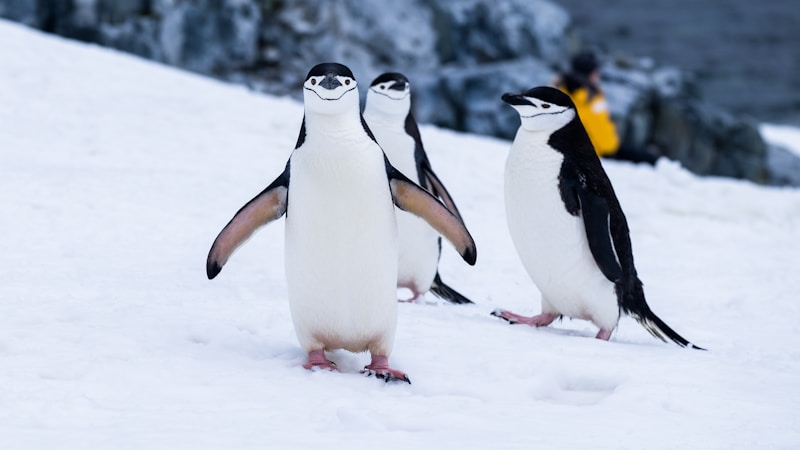
The polar plunge strips away everything except immediate sensation—the moment you hit near-freezing water, every thought, worry, and distraction vanishes in a flood of cold that demands every cell of your attention. Your body activates survival responses that modern life rarely triggers: the gasp reflex, the surge of adrenaline, the sudden profound presence that only genuine physical challenge produces. For a few seconds or minutes, you are completely alive in ways that comfortable existence doesn't permit. Then you emerge, your skin burning with cold-triggered heat, feeling more awake than coffee ever made you. The practice appears across northern cultures under different names. Scandinavians alternate between sauna and ice holes cut in frozen lakes. Russians practice ice swimming as sport and tradition. Northern Europeans embrace sea swimming through winters that would stop most southerners at the beach's edge. The Wim Hof Method has popularized cold exposure for claimed health benefits. Whatever the cultural wrapper, the core experience remains: voluntary entry into water cold enough to kill if you stayed too long. The physiology behind the practice involves the body's response to extreme cold. Blood vessels constrict, directing blood to vital organs. Heart rate spikes, then often drops below baseline. Endorphins flood the system—the "high" that cold swimmers report is chemically real. Cold shock proteins are released, potentially providing benefits that research continues to investigate. The immune and hormonal systems respond in ways that some studies suggest improve function, though the science remains incomplete. What's not in dispute is the immediate sensation: cold exposure feels extraordinary to those who do it. The Antarctica expedition plunge represents the bucket-list version of this practice. Expedition cruise ships visiting the Antarctic Peninsula offer passengers the chance to jump from the ship or shore into Antarctic waters—typically around 0-2°C (32-36°F). You strip to swimsuit, approach the edge, and commit to leaping into water so cold that your time in it will be measured in seconds. The support crew stands ready to assist; the experience lasts under a minute. The bragging rights last forever, along with the memory of cold more intense than anything your previous experience includes. The Scandinavian context provides the most accessible regular practice. Public saunas throughout Norway, Sweden, Finland, and Denmark position ice baths, cold plunge pools, or direct lake/sea access beside the heat. The tradition involves cycling between extremes: twenty minutes in the sauna, then the plunge, then return to warmth, the contrast making both sensations more intense. This sauna-and-cold routine, practiced regularly rather than as one-time adventure, forms the basis for claims about long-term health benefits. The preparation involves understanding your body's limits. Heart conditions, high blood pressure, and certain other medical issues make cold immersion dangerous—the shock can trigger cardiac events in vulnerable individuals. Starting gradually—cold showers, brief exposures, progressively lower temperatures—builds tolerance that makes extreme cold less shocking. The breathwork that Wim Hof teaches helps manage the gasp reflex that makes initial entry so difficult. Never plunging alone ensures that someone can help if problems arise. The mental component often proves more challenging than the physical. Your body can handle cold water briefly; your mind resists with every argument it can generate. The moment of commitment—when you actually step or jump into water you know will hurt—requires overriding instincts honed across millions of years of evolution. This mental override is part of why people find the practice valuable: the discipline of doing something difficult because you chose to, the expansion of what you know you're capable of handling. The cold is just the medium; the real work is in your head.
Cost Breakdown
Estimated costs can vary based on location, season, and personal choices.
Budget
Basic experience, economical choices
Mid-Range
Comfortable experience, quality choices
Luxury
Premium experience, best options
Difficulty & Requirements
Accessible for most people with basic planning.
Physical Requirements
Generally healthy, no heart conditions
Prerequisites
- No cardiac issues
Tips & Advice
Don't stay in long - 30 seconds to 2 minutes max
Have warm clothes ready immediately
The shock is intense but brief
Wim Hof method breathing helps
Hot sauna after is traditional in Scandinavia
Community Discussion
Ask questions, share tips, or read experiences from others.
View Discussions Start DiscussionShare This Experience
Quick Summary
- Category Adventure
- Starting Cost Free
- Time Needed Minutes (preparation takes longer)
- Best Season Winter for full effect
- Difficulty Moderate
You Might Also Like

Go Caving/Spelunking
Explore underground caverns and hidden worlds.
Go Sandboarding
Surf down massive sand dunes in the desert.

Swim in Bioluminescent Waters
Watch the water glow around you with each movement.
Hike Under the Midnight Sun
Trek through endless daylight in the Arctic summer.