Complete Race Across America (RAAM)
From $10k
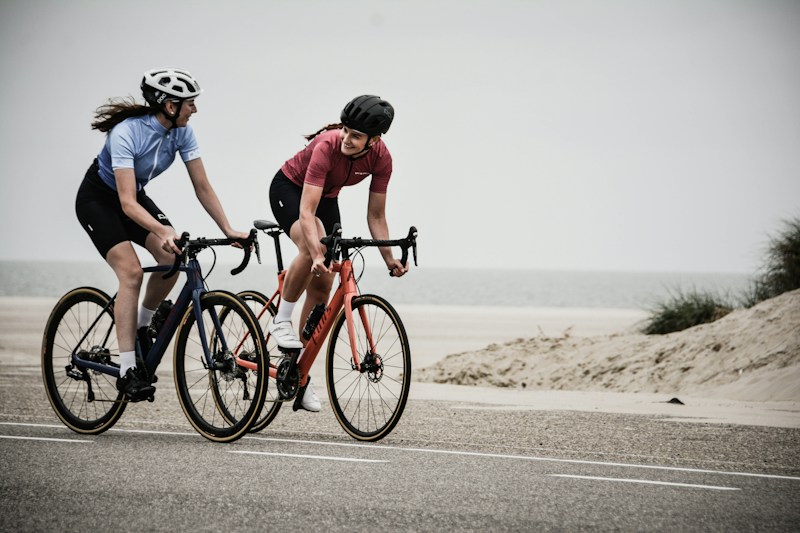
Complete Race Across America (RAAM)
Cycle 3,000 miles across the USA non-stop.
At a Glance
$10k+
9-12 days race, year+ of training
California to Maryland, USA
June (race month)
About This Experience
The Race Across America (RAAM) stands as the world's most demanding ultra-endurance cycling event—3,000 miles from the Pacific to the Atlantic, completed without rest days or stage breaks, requiring elite riders to cross the continent in 8-12 days of nearly continuous cycling. Unlike stage races where recovery between stages enables performance, RAAM competitors ride through the nights, managing sleep deprivation alongside the physical demands of covering 250-350 miles daily across terrain that includes desert heat, mountain passes, and plains headwinds. The course changes slightly year to year but consistently presents the full range of American geography. Starting typically in Oceanside, California, riders cross the Mojave Desert in temperatures exceeding 100°F, climb into the Arizona highlands, traverse the Rocky Mountains with multiple passes above 10,000 feet, cross the Kansas plains where wind becomes the primary adversary, and finish at the Atlantic in Maryland. Each geographic section presents distinct challenges; successfully navigating all of them while sleep-deprived defines the RAAM experience. The sleep deprivation component separates RAAM from other ultra-cycling events. Competitive solo riders sleep as little as 90-120 minutes per night across 8+ days of racing. The hallucinations that accompany this level of sleep debt are legendary in RAAM culture: riders report seeing phantom traffic, hallucinating conversations with imaginary companions, and experiencing visual distortions that make navigation dangerous. Managing these effects while continuing to ride safely requires judgment that deteriorates exactly when it's most needed. The support crew requirements make RAAM a team endeavor despite its solo competitive category. Each solo rider travels with a support vehicle carrying spare bikes, nutrition, navigation equipment, and crew members who rotate through driving, pacing, feeding, and sleeping shifts. The crew manages everything except the actual pedaling: navigation decisions, timing of sleep stops, caloric and hydration needs, mechanical issues, and the psychological support that keeps exhausted riders moving forward. RAAM victories are crew achievements as much as individual accomplishments. The qualifying requirements ensure that only prepared riders reach the start line. Qualifying events of 400+ miles with specific time cutoffs demonstrate both physical capability and the support crew competency that RAAM demands. These qualifiers typically reveal whether a solo attempt is realistic; finishing a 500-mile qualifier while struggling suggests that 3,000 miles may exceed current capabilities. The completion rates reflect the race's difficulty. Solo competitors finish at rates below 50%, with many dropping due to accumulated fatigue, injury, or crew issues. The time cutoff—12 days for solo riders—eliminates competitors who cannot maintain approximately 250 miles daily despite climbing, weather, and exhaustion. Those who complete RAAM join a small community of ultra-endurance cyclists who have crossed the continent at a pace that would destroy most recreational riders within days. The physical adaptations required for RAAM include sustained power output capability, heat tolerance, cold tolerance (nighttime mountain passes drop into the 30s), and the ability to consume and process thousands of calories daily while exercising at elevated heart rates. The training typically involves year-round high-volume cycling with specific attention to back-to-back long rides that simulate the accumulated fatigue of multi-day racing. The transformation that RAAM produces in finishers extends beyond physical accomplishment into psychological territory. Discovering that your body can continue when every signal screams for rest, that sleep deprivation can be managed rather than submitted to, that crossing a continent by bicycle is achievable—these realizations reshape how finishers understand their own limits. The suffering is real and prolonged, but the knowledge gained about human capability persists long after the physical recovery completes.
Cost Breakdown
Estimated costs can vary based on location, season, and personal choices.
Budget
Basic experience, economical choices
Mid-Range
Comfortable experience, quality choices
Luxury
Premium experience, best options
Difficulty & Requirements
Expert level. Extensive preparation, skills, and resources needed.
Physical Requirements
Elite ultra-endurance cycling
Prerequisites
- Ultra-cycling qualifiers
- Full support crew
- Extreme sleep deprivation tolerance
Tips & Advice
Riders sleep only 2-4 hours per night for 9+ days
Support crew of 8-12 people required
Qualifying events are mandatory
The hallucinations from sleep deprivation are real
Less than 50% of starters finish
Community Discussion
Ask questions, share tips, or read experiences from others.
View Discussions Start DiscussionShare This Experience
Quick Summary
- Category Adventure
- Starting Cost $10k
- Time Needed 9-12 days race, year+ of training
- Best Season June (race month)
- Difficulty Extreme
You Might Also Like
Run an Ultramarathon
Complete a race longer than 26.2 miles.
Complete a Triathlon
Finish a race combining swimming, cycling, and running.
Swim the English Channel
Cross the 21-mile strait between England and France.

Complete the Iditarod
Race 1,000 miles across Alaska by dog sled.