Climb a High-Altitude Peak
From $3.0k
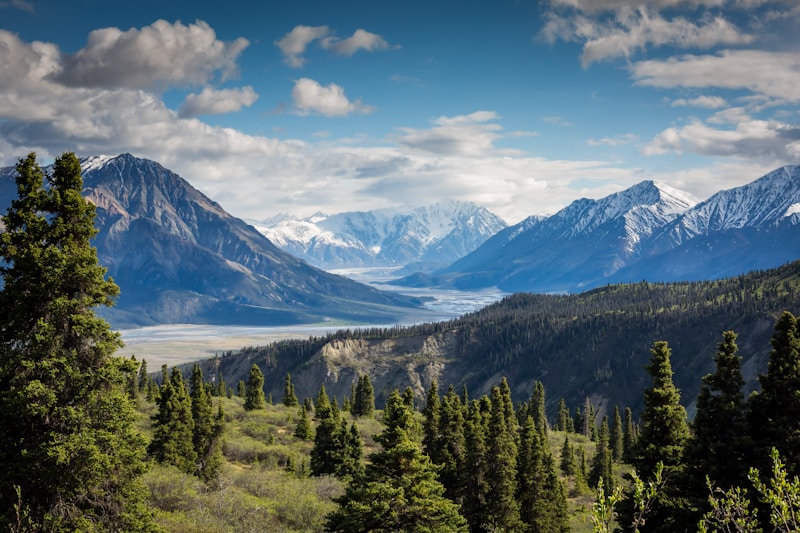
Climb a High-Altitude Peak
Summit a mountain over 6,000 meters requiring technical mountaineering.
At a Glance
$3.0k+
2-8 weeks depending on peak
Nepal, Peru, Ecuador, Russia
Peak dependent - typically pre or post monsoon
About This Experience
High-altitude mountaineering combines technical climbing skills with the physiological challenges of operating in thin air, creating adventures where success depends as much on the body's adaptation to altitude as on climbing ability. Peaks above 6,000 meters (roughly 20,000 feet) demand respect for the reduced oxygen that affects every bodily function—thinking slows, muscles fatigue faster, and the margin between safety and disaster narrows with every meter gained. The progression to high-altitude climbing typically begins with trekking peaks—mountains like Island Peak (6,189m) or Mera Peak (6,476m) in Nepal that offer Himalayan scale without extreme technical difficulty. These introductions teach the essential lessons: the importance of slow, methodical acclimatization; the way altitude affects appetite, sleep, and mood; the morning ritual of assessing how your body has adapted to yesterday's effort. Rushing altitude produces acute mountain sickness; respecting it produces the adaptation that makes higher climbing possible. Ecuador's volcanic peaks offer affordable preparation for Himalayan ambitions. Cotopaxi (5,897m) and Chimborazo (6,263m) provide genuine altitude challenges with relatively straightforward technical requirements. The climbing season coincides with affordable living costs and accessible logistics. Many climbers use Ecuador as a testing ground: if altitude-related problems emerge at 5,000-6,000 meters, attempting 7,000-8,000 meter peaks would be inadvisable. The technical skills required for serious high-altitude climbing include glacier travel with rope teams, crevasse rescue, ice axe arrest, and crampon technique on steep ice and snow. These skills transfer from lower-altitude alpine environments but must be practiced until automatic—at extreme altitude, the cognitive load of conscious technical thought becomes unsustainable. The body must know what to do without the brain having to direct each movement. The physical preparation for high-altitude climbing extends beyond cardiovascular fitness into specific adaptations. Altitude simulation masks and tents can pre-acclimatize climbers, though nothing fully replicates actual altitude. The training priorities include sustained aerobic capacity (the ability to maintain moderate effort for many hours), leg strength for ascending thousands of vertical feet, and the mental resilience to continue when every cell demands rest. The major high-altitude peaks—the fourteen 8,000-meter summits and numerous 7,000-meter objectives—each present distinct challenges. Some, like Cho Oyu, are considered "easier" 8,000ers suitable for climbers stepping up from lower peaks. Others, like K2 and Annapurna, claim the lives of a significant percentage of those who attempt them. Understanding where a specific objective fits in the difficulty spectrum prevents dangerous overestimation of one's abilities. The expedition experience at high altitude differs fundamentally from alpine-style climbing at lower elevations. Establishing multiple camps, ferrying loads up and down for acclimatization, waiting for weather windows, and spending weeks at altitude transforms climbing from athletic achievement into extended exercise in patience and logistics. The summit push, when conditions finally align, tests everything accumulated in the preceding weeks. The summit moment itself produces emotions that veterans struggle to articulate. Standing on top of a major peak after weeks of effort, surrounded by other summits now below you, breathing thin air that your body has adapted to process—the combination creates experiences that reshape how climbers understand challenge, achievement, and their own capabilities. The descent, where most accidents occur, demands discipline when exhaustion encourages carelessness. The return to thick air at lower elevations brings the intoxication of easy breathing and the satisfaction of a challenge met.
Cost Breakdown
Estimated costs can vary based on location, season, and personal choices.
Budget
Basic experience, economical choices
Mid-Range
Comfortable experience, quality choices
Luxury
Premium experience, best options
Difficulty & Requirements
Expert level. Extensive preparation, skills, and resources needed.
Physical Requirements
Elite fitness, altitude tolerance
Prerequisites
- Technical climbing skills
- Previous high-altitude experience
Tips & Advice
Start with trekking peaks (Island Peak, Mera Peak)
Acclimatization is critical - don't rush
Ecuador's volcanoes are good training grounds
Physical preparation takes months
Choosing the right guide company is crucial
Related Topics
Community Discussion
Ask questions, share tips, or read experiences from others.
View Discussions Start DiscussionShare This Experience
Quick Summary
- Category Adventure
- Starting Cost $3.0k
- Time Needed 2-8 weeks depending on peak
- Best Season Peak dependent - typically pre or post monsoon
- Difficulty Extreme
Explore More
You Might Also Like

Summit Mount Everest
Stand on top of the world at 29,032 feet.
Complete the Seven Summits
Climb the highest peak on each continent.
Run an Ultramarathon
Complete a race longer than 26.2 miles.
Summit K2
Climb the world's most dangerous mountain.