Summit Mount Everest
From $35k

At a Glance
$35k+
2-3 months
Nepal/Tibet border
May (pre-monsoon) or September-October (post-monsoon)
About This Experience
Mount Everest stands at 29,032 feet (8,849 meters) as Earth's highest point, a summit that has obsessed climbers since British expeditions first attempted it in the 1920s. The mountain presents not one but multiple deadly challenges: the Khumbu Icefall, a shifting labyrinth of crevasses and seracs that kills climbers beneath collapsing ice blocks; the Death Zone above 8,000 meters where human bodies literally die from oxygen deprivation; the unpredictable weather that can trap climbers in lethal conditions within hours; and the logistics of spending two months at altitude, body deteriorating daily, waiting for the brief weather windows that permit summit attempts. The standard South Col route from Nepal, established by Hillary and Tenzing in 1953, involves establishing camps at progressively higher elevations while making multiple rotations between camps for acclimatization. Base Camp sits at 17,600 feet; Camp I through Camp IV establish positions through the Icefall, up the Western Cwm, over the Lhotse Face, and to the South Col at 26,000 feet. The summit push from Camp IV begins around midnight, climbing through the night to reach the summit by mid-morning, then racing back before afternoon weather deteriorates. The Death Zone designation above 8,000 meters (26,247 feet) reflects the physiological reality that human bodies cannot survive long at these altitudes even with supplemental oxygen. Each breath contains a third of sea-level oxygen; blood thickens to dangerous consistency; brain function degrades; the body consumes itself for fuel. Most climbers spend less than 24 hours in the Death Zone; even this brief exposure produces lasting physiological effects. The bodies of climbers who died above 8,000 meters often remain where they fell—recovery is too dangerous, and the altitude preserves them as permanent memorials. The supplemental oxygen debate divides the mountaineering community. Climbing without bottled oxygen represents a purer achievement—fewer than 200 people have done it—but increases danger exponentially and requires elite high-altitude physiology. Most commercial expeditions use supplemental oxygen, which improves survival chances but adds equipment complexity and cost. The oxygen doesn't make Everest easy; it makes it possible for climbers without exceptional altitude tolerance. The commercial expedition reality has transformed Everest from impossible dream to purchasable experience, though still a deadly one. Operators charge $30,000-$150,000+ for guided expeditions that handle logistics, provide experienced Sherpa support, and improve success rates dramatically. The controversy over "commercialization" reflects legitimate concerns: clients sometimes lack the mountaineering experience to handle emergency situations, weather windows create queuing problems that have contributed to deaths, and the Sherpa workforce bears disproportionate risk for relatively modest compensation. The preparation timeline for an Everest attempt spans years rather than months. The physical conditioning requires sustained cardiovascular capacity and leg strength developed over thousands of training hours. The technical skills—crampon technique, rope work, self-arrest, crevasse rescue—must become reflexive since Death Zone cognition cannot support conscious technical decisions. The altitude experience should include progressively higher peaks: Rainier, Denali, 6,000-meter trekking peaks, ideally a 7,000-8,000 meter summit before attempting Everest. The mortality statistics—approximately 1% of climbers die on the mountain, with fatality rates higher for certain routes and conditions—demand honest risk assessment. Everest kills experienced mountaineers and novices alike; the mountain doesn't care about dreams or preparation. Summiting changes survivors, but the question of whether that transformation justifies the risk remains personal. Some who stand on top describe the moment as the pinnacle of human achievement; others describe relief that the danger is nearly over. Both responses are valid, and neither captures the full complexity of what Everest demands and provides.
Cost Breakdown
Estimated costs can vary based on location, season, and personal choices.
Budget
Basic experience, economical choices
Mid-Range
Comfortable experience, quality choices
Luxury
Premium experience, best options
Difficulty & Requirements
Expert level. Extensive preparation, skills, and resources needed.
Physical Requirements
Elite mountaineering fitness, altitude tolerance
Prerequisites
- 8000m peak experience
- Technical climbing skills
- Years of preparation
Tips & Advice
Start training 2+ years in advance
Climb several 6000m and 7000m peaks first
The success rate is about 60%, fatality rate 1%
Choose your guide company carefully
The real challenge is surviving, not just summiting
Related Topics
Community Discussion
Ask questions, share tips, or read experiences from others.
View Discussions Start DiscussionShare This Experience
Quick Summary
- Category Adventure
- Starting Cost $35k
- Time Needed 2-3 months
- Best Season May (pre-monsoon) or September-October (post-monsoon)
- Difficulty Extreme
You Might Also Like
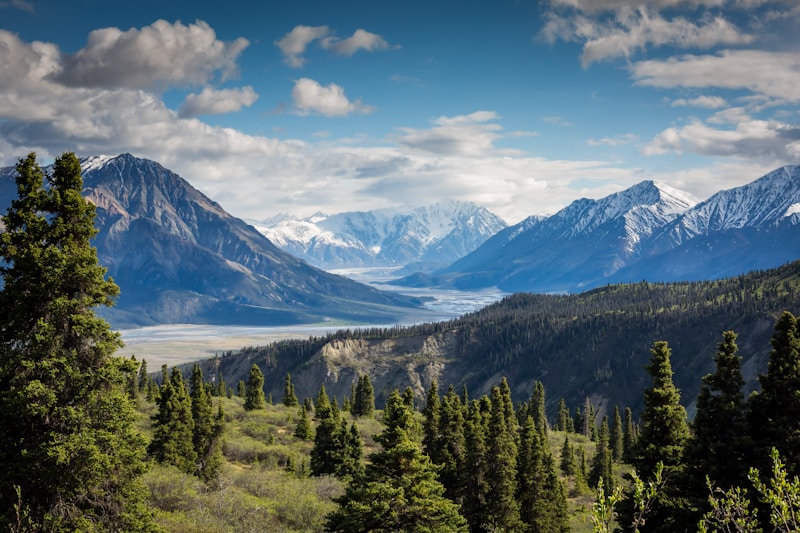
Complete the Seven Summits
Climb the highest peak on each continent.
Climb a High-Altitude Peak
Summit a mountain over 6,000 meters requiring technical mountaineering.
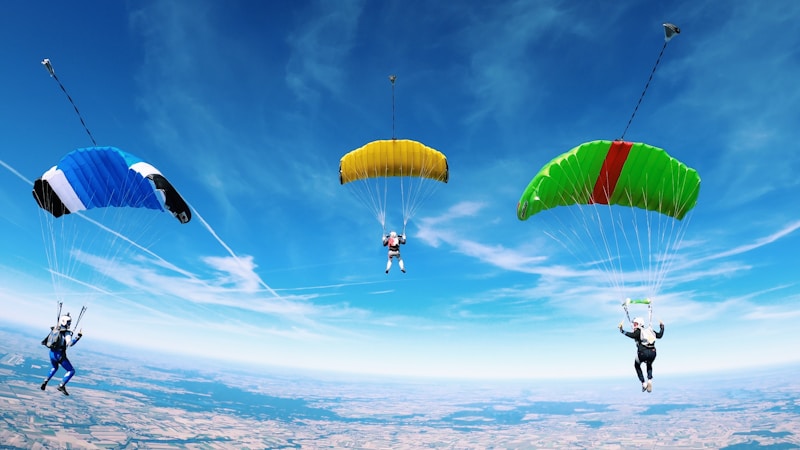
Go Skydiving
Experience the ultimate adrenaline rush by jumping from a plane.
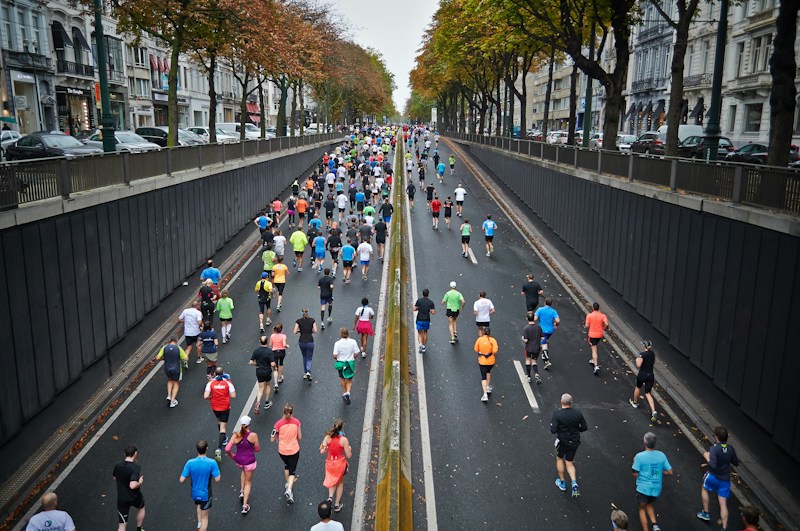
Run an Ultramarathon
Complete a race longer than 26.2 miles.