Learn Beekeeping
From $300
At a Glance
$300+
First year is learning
Requires outdoor space
Start in spring
About This Experience
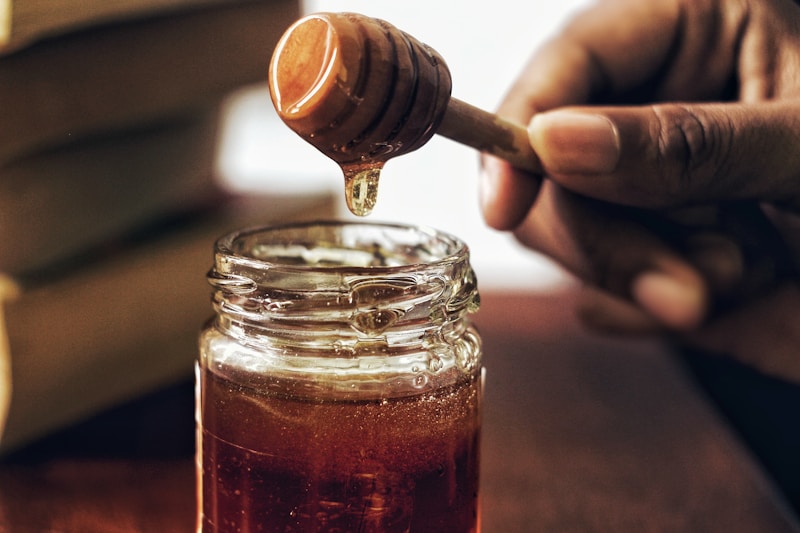
Beekeeping connects you to the intricate social organization of honeybee colonies while providing honey, beeswax, and the satisfaction of supporting pollinators whose ecological importance extends far beyond the hive. Managing colonies requires learning to read bee behavior, respond to seasonal cycles, and maintain the delicate balance between human intervention and bee autonomy that successful beekeeping demands. The colony superorganism concept helps frame what beekeepers actually manage. Individual bees function like cells in a larger organism; the colony exhibits behaviors and capabilities that no individual bee possesses. The queen's pheromones coordinate tens of thousands of workers; the workers' waggle dances communicate food source locations; the colony as a whole makes decisions about swarming, defending, and resource allocation. Understanding this collective intelligence transforms beekeeping from livestock management into relationship with a genuinely alien form of social organization. The seasonal cycle structures beekeeping activity throughout the year. Spring brings population expansion and swarm prevention concerns. Summer provides the nectar flows that produce harvestable honey. Fall requires assessing colony strength and preparing for winter. Winter means minimal intervention while hoping colonies survive until spring. Each season demands different skills and attention levels; beekeeping workload varies dramatically across the year rather than spreading evenly. The hive inspection skills develop through practice that book learning cannot replace. Recognizing queen cells (signaling potential swarming), assessing brood patterns (indicating queen health), spotting disease symptoms, and evaluating honey stores all require visual pattern recognition that improves through experience. The first inspections feel overwhelming; experienced beekeepers see what beginners miss entirely. The beginner equipment and startup costs include hive components, protective gear, and basic tools—typically $300-500 for a complete first-hive setup. The bees themselves add additional cost through package purchase or nucleus colony (nuc) acquisition. Starting with two hives rather than one allows comparison that helps diagnose problems and provides resources for helping struggling colonies. The honey harvest provides beekeeping's most tangible reward, though first-year beekeepers often harvest little or nothing while colonies establish. The extraction process—removing honey-filled frames, uncapping cells, spinning out honey, filtering and bottling—requires additional equipment or access to shared extraction facilities. Local honey commands premium prices; beekeepers often find demand exceeds supply. The challenges and potential losses deserve honest acknowledgment. Colony losses over winter commonly exceed 30% even among experienced beekeepers; beginners often lose higher percentages. Varroa mites, diseases, pesticide exposure, and poor nutrition all threaten colonies. The emotional investment in colonies makes losses difficult; the practical investment makes them expensive. Sustainable beekeeping requires accepting losses as part of the activity rather than failures to prevent. The community support through local beekeeping associations provides invaluable resources for beginners. Experienced beekeepers offer mentorship, equipment loans, and the knowledge that only accumulated years provide. Beekeeping courses—often offered through associations or extension services—provide foundational knowledge that self-teaching rarely achieves as efficiently.
Cost Breakdown
Estimated costs can vary based on location, season, and personal choices.
Budget
Basic experience, economical choices
Mid-Range
Comfortable experience, quality choices
Luxury
Premium experience, best options
Difficulty & Requirements
Requires some preparation, skills, or resources.
Physical Requirements
Ability to lift 40-60lb boxes
Prerequisites
- Space for hives
- Local regulations check
- Allergy consideration
Tips & Advice
Take a local beekeeping course first
Join a beekeeping association
Start with two hives so you can compare
First year rarely produces surplus honey
Bees are more docile than you expect
Related Topics
Community Discussion
Ask questions, share tips, or read experiences from others.
View Discussions Start DiscussionShare This Experience
Quick Summary
- Category Learning
- Starting Cost $300
- Time Needed First year is learning
- Best Season Start in spring
- Difficulty Challenging
You Might Also Like
Learn to Play a Musical Instrument
Pick up an instrument and learn to play songs you love.

Learn Astronomy
Understand the night sky and observe celestial wonders.
Take a Permaculture Design Course
Learn sustainable design principles for regenerative living.

Learn Wild Foraging
Identify and safely harvest wild edible plants and mushrooms.