Surf a 30+ Foot Wave
From $5.0k
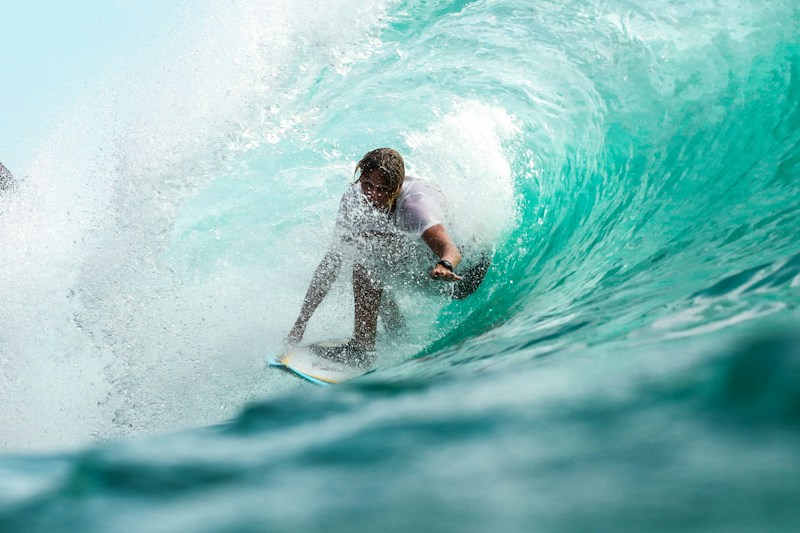
Surf a 30+ Foot Wave
Ride a massive wave at one of the world's big wave spots.
At a Glance
$5.0k+
Years of progression
Nazaré, Mavericks, Jaws, Pipeline
Winter swells
About This Experience
Big wave surfing represents surfing's extreme frontier—the pursuit of waves so massive that standard paddle-in techniques often prove impossible, requiring jet ski tow-ins to catch the monsters that break at heights exceeding 30, 50, even 80 feet. The scale transforms the sport fundamentally: wipeouts that would produce brief tumbles on normal waves produce "hold-downs" lasting 30+ seconds beneath water churning with enough force to knock unconscious or drown even experienced watermen. Every big wave session involves genuine risk of death. The locations that produce truly massive waves cluster where oceanic geography concentrates swell energy. Nazaré, Portugal—where a submarine canyon focuses Atlantic swells into towering walls of water—currently holds the world record for largest wave ever surfed, exceeding 80 feet. Jaws (Pe'ahi) on Maui generates the most consistent XXL surf in the Pacific. Mavericks in Northern California breaks over a reef that creates waves as heavy as any in the world, with cold water and rocky hazards adding danger beyond the wave size itself. Pipeline on Oahu's North Shore provides the benchmark for hollow, powerful waves at the smaller end of the big wave spectrum. The tow-in revolution transformed big wave surfing from occasional paddle-in achievements to regular sessions on otherwise unsurfable waves. Jet skis enable surfers to catch waves moving faster than humans can paddle, opening up size categories that would be impossible to reach through arm power alone. The same jet skis provide critical rescue capability, retrieving surfers from the impact zone before subsequent waves arrive. The driver/surfer team dynamic has become central to modern big wave surfing. The safety equipment evolution reflects hard lessons learned through tragedy. Inflatable vests that surfers can trigger during hold-downs provide buoyancy to reach the surface faster. Impact vests absorb some of the force from hitting water at speed or being driven into reef. Helmets protect against board strikes and reef contact. Safety teams positioned in the channel coordinate rescue operations. These measures don't eliminate risk—big wave surfers still die regularly—but they've improved survival odds for errors that would have been fatal a generation ago. The physical preparation for big wave surfing extends beyond surfing skills into breath-hold training, heavy-wave experience, and the psychological conditioning to remain calm during hold-downs where panic guarantees exhaustion and potential drowning. Many big wave surfers practice static apnea and underwater swimming, building confidence that they can survive the extended submersion that big wave wipeouts produce. Some train with weights in pools, simulating the helpless tumbling of a heavy wipeout. The mental demands distinguish big wave surfing from other extreme sports. The commitment to drop into a wave that stands taller than a three-story building, knowing that any failure will produce a wipeout of proportionate violence, requires psychological capacity beyond physical skill. Some surfers describe a state of flow where fear disappears; others acknowledge the fear but learn to function through it. The process of building up to truly large waves typically spans years, with each size increase requiring new mental adaptation. The community surrounding big wave surfing maintains traditions of mutual aid that the danger necessitates. Surfers who compete for waves cooperate for safety; the same person you're trying to beat to a wave is the person you'll rescue if they wipe out. This cooperative competition creates bonds unusual in sport. The deaths that occur—and they do occur—affect the entire community, prompting reflection on whether the rewards justify the risks that have claimed friends and mentors.
Cost Breakdown
Estimated costs can vary based on location, season, and personal choices.
Budget
Basic experience, economical choices
Mid-Range
Comfortable experience, quality choices
Luxury
Premium experience, best options
Difficulty & Requirements
Expert level. Extensive preparation, skills, and resources needed.
Physical Requirements
Expert surfing, extreme waterman skills
Prerequisites
- Years of progressive big wave experience
- Breath-hold training
- Safety/rescue training
Tips & Advice
Nazaré holds the world record at 80+ feet
Jet ski tow-in is standard for giant waves
Inflatable vests and helmet are essential
The hold-downs can last 30+ seconds
Train with experienced big wave surfers
Community Discussion
Ask questions, share tips, or read experiences from others.
View Discussions Start DiscussionShare This Experience
Quick Summary
- Category Adventure
- Starting Cost $5.0k
- Time Needed Years of progression
- Best Season Winter swells
- Difficulty Extreme
You Might Also Like
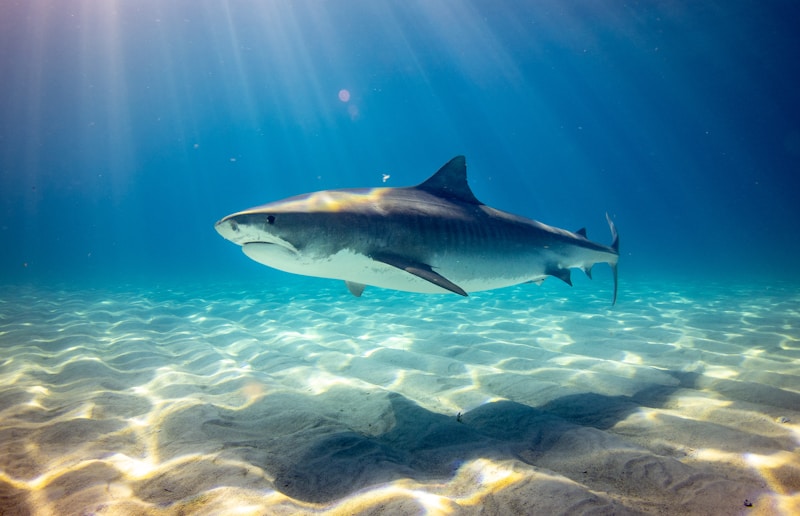
Cage Dive with Great White Sharks
Come face-to-face with the ocean's apex predator.
Learn to Surf
Catch your first wave and ride the ocean's energy.
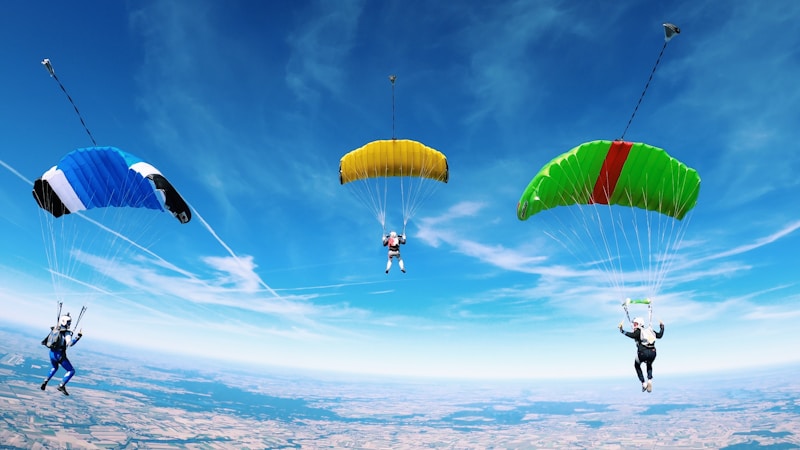
Learn BASE Jumping
Jump from fixed objects with a parachute.
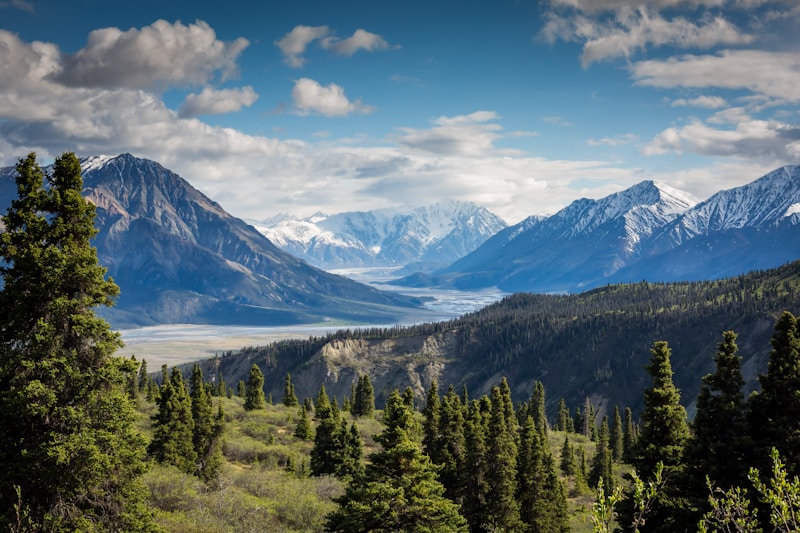
Summit K2
Climb the world's most dangerous mountain.