Learn to Surf
From $50
At a Glance
$50+
1-5 days for basics
Hawaii, Bali, Portugal, Costa Rica, Australia
Varies by location
About This Experience
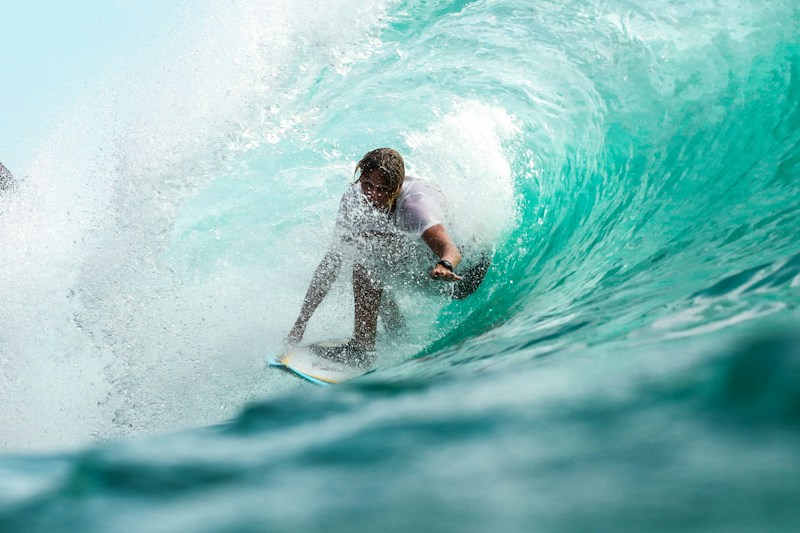
The first time you ride a wave—actually standing, actually balanced, actually moving across the water's face propelled by nothing but ocean energy—something clicks that no amount of watching or reading can convey. The wave chose you (or you chose it well), the timing worked (or you adjusted well enough), and for a few seconds or longer, you're surfing. The feeling is simultaneously ancient (humans have been doing this for thousands of years) and utterly fresh (your body has never done this before). That moment creates surfers from people who came to the beach planning to try something once. Learning to surf involves more paddling than standing. You paddle out through breaking waves that seem determined to push you back. You paddle to position for waves that might come. You paddle to catch waves, matching their speed so they lift your board. You paddle after wipeouts to recover your board. Beginners discover that surfing is 90% paddling and positioning, 5% standing up (the "pop-up"), and 5% actually riding. This ratio gradually shifts with experience, but the paddling never goes away—strong arms and shoulder endurance separate surfers who catch many waves from those who catch few. The locations make enormous differences for learners. Gentle, rolling waves on sandy bottoms—Waikiki in Hawaii, San Onofre in California, Tamarindo in Costa Rica—allow beginners to practice without consequences beyond minor tumbles. Reef breaks, steep waves, and crowded lineups make learning frustrating or dangerous. The classic beginner wave breaks predictably, runs for a reasonable distance, and doesn't punish poor timing with pummeling force. Such waves exist worldwide, and good surf schools know exactly where to find them. The equipment evolution has made surfing more accessible than ever. Foam-topped soft boards provide stability for beginners and forgiveness when boards and bodies collide. Their buoyancy makes paddling easier; their soft surfaces reduce injury. As skills develop, surfers transition to progressively smaller, harder boards that allow more performance but demand more skill. The right board for learning is not a high-performance shortboard—it's something your beginner self might consider embarrassingly large, and that embarrassment is the price of actually learning. The instruction question deserves thoughtful consideration. Yes, you can learn to surf without lessons—people do—but bad habits formed early become difficult to correct later. A few hours with a good instructor can establish proper pop-up technique, wave selection judgment, and ocean safety awareness that self-teaching might never develop. The investment is modest compared to the frustration it prevents; most successful surfers credit early instruction even if they later developed independently. The surfing culture varies dramatically by location. Some spots are aggressively local, with regulars enforcing unwritten rules about who can surf where and when. Other spots welcome everyone with the expansive aloha spirit that surfing's Hawaiian origins celebrate. Learning the etiquette—don't drop in on someone already riding, don't paddle through the lineup, apologize sincerely for mistakes—helps beginners integrate into whatever community they find. The rules exist partly for safety (two surfers on one wave creates collision risk) and partly for fairness (waves are limited resources). The progression never really ends. Surfers spend years learning to read waves better, building balance and reflexes, developing ability to ride in conditions that would have terrified them earlier. Each improvement opens new possibilities—bigger waves, more critical positioning, longer rides on faces that seemed too fast before. The ocean keeps generating waves; the surfer keeps developing capability to ride them. This open-ended progression explains why surfing becomes lifestyle rather than just sport for those who catch the bug. The ocean itself becomes your teacher after the human instructors fade. Each session reveals something: what the tide does to waves, how different swells create different shapes, where to position for the best rides, how to sense when a set is coming. This accumulated knowledge—local knowledge, transferable only partly to new spots—represents the deepest learning that surfing requires. The wave you're riding is a conversation between you and an ocean that existed before humans and will exist after. That conversation begins with learning to stand.
Cost Breakdown
Estimated costs can vary based on location, season, and personal choices.
Budget
Basic experience, economical choices
Mid-Range
Comfortable experience, quality choices
Luxury
Premium experience, best options
Difficulty & Requirements
Requires some preparation, skills, or resources.
Physical Requirements
Swimming ability, core strength
Prerequisites
- Ocean swimming confidence
- Basic fitness
Tips & Advice
Take lessons - bad habits are hard to break
Start on a soft-top foam board
Waikiki has gentle waves perfect for learning
Respect surf etiquette from day one
Surfing is 90% paddling at first
Community Discussion
Ask questions, share tips, or read experiences from others.
View Discussions Start DiscussionShare This Experience
Quick Summary
- Category Adventure
- Starting Cost $50
- Time Needed 1-5 days for basics
- Best Season Varies by location
- Difficulty Challenging
Explore More
You Might Also Like
Get Scuba Certified
Unlock the underwater world with your open water certification.
Learn to Freedive
Dive deep on a single breath.
Learn Kitesurfing
Harness the wind to fly across the water.
Cross an Ocean by Sailboat
Make an ocean passage under sail power.