Tour French Cheese Regions
From $200
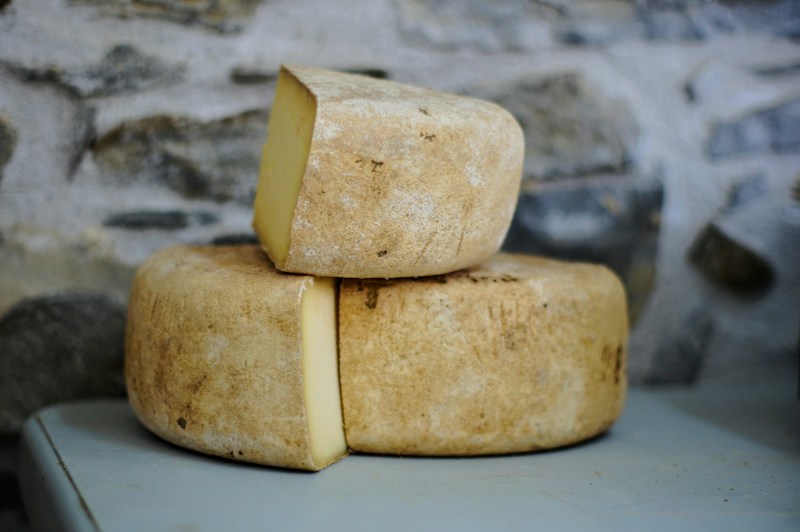
Tour French Cheese Regions
Sample legendary cheeses in the regions where they're made.
At a Glance
$200+
3-7 days
France
Spring through fall
About This Experience
Touring French cheese regions immerses you in a living tradition that stretches back centuries, where over four hundred distinct varieties emerge from the interaction of local milk, traditional techniques, natural microflora, and the ineffable terroir that French producers guard as jealously as any wine appellation. To taste Roquefort in its limestone caves, Comté in the Jura mountains, or Camembert in Norman orchards is to understand why France remains the world's cheese heartland despite industrial production elsewhere—here, cheese maintains connection to specific places and the communities that produce it. The concept of terroir applies to cheese as meaningfully as to wine. The same milk processed identically in different locations produces different results because ambient bacteria, cave humidity, seasonal grazing patterns, and traditional techniques vary from place to place. French cheese appellations (AOC and AOP) protect these distinctions, specifying not just where cheese can be made but how—which breeds of animal, what they eat, how long aging must proceed, even the size and shape of finished wheels. These regulations preserve diversity against homogenizing pressure that would reduce complex traditions to industrial efficiency. Roquefort represents perhaps the most dramatic cheese pilgrimage, requiring visits to the limestone caves of Roquefort-sur-Soulzon in Aveyron where this blue cheese has aged for over a thousand years. The caves provide unique conditions: constant temperature and humidity maintained by natural fissures (fleurines) in the rock through which air flows. Penicillium roqueforti, the mold that creates blue veining, thrives here naturally, colonizing cheeses made from raw sheep's milk. Tours through the caves reveal wheels aging on oak shelves in cathedral-like chambers, the aroma intense and unmistakably funky. Tasting in this context—understanding the connection between these specific caves, these sheep, this climate—transforms perception of a cheese you might previously have known only from supermarket wedges. The Jura region produces Comté, France's most popular AOC cheese, in a system that has operated since medieval times. Small farms bring their milk to village fruitières (cooperatives) where it's transformed into massive wheels weighing up to forty-five kilograms. These wheels then age in vast affinage cellars where specialists monitor development, turning and brushing each wheel regularly over months or years. The flavor ranges from mild nuttiness at young ages to crystalline, intense complexity in wheels aged two years or more. Touring fruitières and affinage facilities reveals the collective effort behind each wheel—hundreds of cows on dozens of farms contributing to a single day's production. Normandy's lush pastures produce some of France's most famous soft cheeses. Camembert, Pont-l'Évêque, and Livarot all originate within a relatively small region where Norman cows graze on grass enriched by mild, wet climate. Traditional Camembert made from raw milk and ladled by hand into molds differs dramatically from industrial versions—creamy, complex, sometimes almost aggressive as it ripens. Visiting working farms that continue artisanal production reveals the labor involved and the diminishing number of producers maintaining these methods against economic pressure. The Loire Valley produces numerous goat cheeses, from the ash-coated pyramids of Valencay to the logs of Sainte-Maure de Touraine with their distinctive straw running through the center. Goat cheese season peaks in spring and early summer when fresh milk is abundant and kids are newly weaned. Touring during this period allows tasting at different ages—from fresh and tangy to aged and intense—revealing how the same cheese transforms over weeks of maturation. Practical cheese touring in France benefits from research and planning. Many small producers welcome visitors by appointment but lack formal tourism infrastructure. Fromageries (cheese shops) in regional towns offer guided tastings and can arrange visits to local producers. Wine regions often overlap with cheese regions, enabling combined tours—Burgundy's Époisses pairs wonderfully with local wines; Alsace produces Munster alongside its distinctive white wines. The cheese course in French dining provides context for appreciation. Unlike American custom of eating cheese with crackers before dinner, the French serve cheese after the main course and before dessert, typically presenting a selection of three to five varieties at room temperature with bread. This sequencing allows cheese flavors to shine without competition and clears the palate for sweet finale. Bringing French cheese home requires attention to regulations. Most hard, aged cheeses travel well and clear customs, but soft raw-milk cheeses face restrictions in some countries including the United States. Vacuum-sealing and careful temperature control help preserve quality during transport. Better yet, the education gained through touring—understanding what distinguishes excellent cheese, recognizing quality indicators, knowing which varieties you prefer—transforms your cheese purchasing wherever you live.
Cost Breakdown
Estimated costs can vary based on location, season, and personal choices.
Budget
Basic experience, economical choices
Mid-Range
Comfortable experience, quality choices
Luxury
Premium experience, best options
Difficulty & Requirements
Perfect for beginners. Minimal preparation needed.
Physical Requirements
Some walking
Tips & Advice
Each region has its specialty
Roquefort caves are incredible to visit
Pair with local wines
Fromageries offer tastings
Comté is aged in massive cellars
Community Discussion
Ask questions, share tips, or read experiences from others.
View Discussions Start DiscussionShare This Experience
Quick Summary
- Category Food & Drink
- Starting Cost $200
- Time Needed 3-7 days
- Best Season Spring through fall
- Difficulty Easy
Explore More
You Might Also Like
Take a Street Food Tour
Discover authentic local flavors through street vendors.
Tour the Kentucky Bourbon Trail
Visit legendary bourbon distilleries in their homeland.
Tour Belgian Chocolate Makers
Sample the world's finest chocolates in Belgium.
Take a Taco Tour in Mexico City
Explore the incredible diversity of Mexican tacos.