Tour Belgian Chocolate Makers
From $50
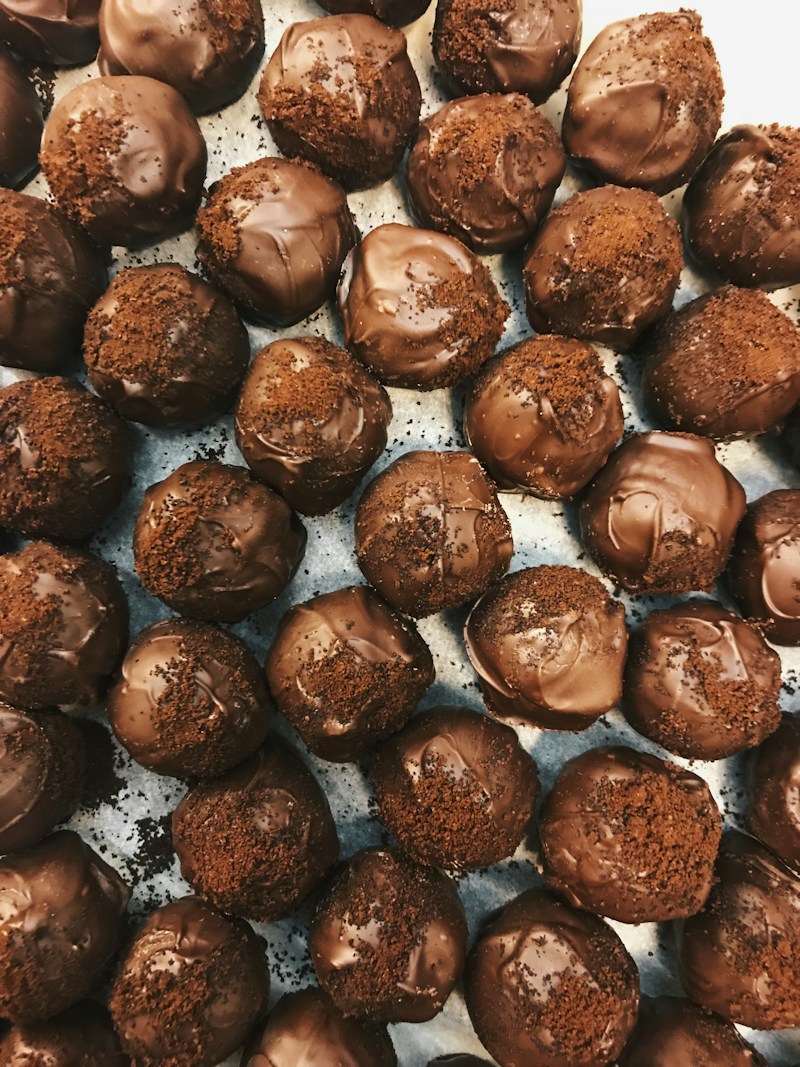
Tour Belgian Chocolate Makers
Sample the world's finest chocolates in Belgium.
At a Glance
$50+
1-2 days
Belgium (Brussels, Bruges)
Year-round (avoid summer heat)
About This Experience
Belgian chocolate has achieved legendary status for good reason, representing a tradition where technical mastery, quality ingredients, and artistic creativity combine to produce confections that set worldwide standards. Touring Belgian chocolatiers—from grand historic houses to innovative modern ateliers—reveals the craft behind these treasures while providing ample opportunity to sample creations unavailable elsewhere. The concentration of exceptional chocolate makers in Brussels and Bruges creates efficient touring, allowing visitors to taste their way through centuries of accumulated expertise in a single day. Belgium's chocolate preeminence traces to several factors beyond mere tradition. The country's colonial history in Congo provided direct access to high-quality cacao during chocolate's industrial development. Belgian regulations require minimum cocoa content higher than many countries, ensuring richer results. Perhaps most importantly, Belgian chocolatiers invented or perfected several techniques that define modern confectionery: Jean Neuhaus created the praline (filled chocolate shell) in 1912, revolutionizing what chocolate could become beyond simple bars. The industry maintained quality standards through both world wars and subsequent economic changes, building reputation that continues attracting talented chocolatiers today. The praline remains Belgium's signature contribution to chocolate, though the term means something different here than the nut-sugar confections known by that name in New Orleans. Belgian pralines are bite-sized chocolates with shells of tempered chocolate encasing various fillings: gianduja (chocolate-hazelnut), fruit creams, liqueurs, caramels, ganaches, marzipan, and countless variations limited only by chocolatier imagination. The craft of praline-making demands precise tempering for proper snap and sheen, careful molding for consistent shapes, and balanced fillings that complement rather than overwhelm the chocolate itself. Brussels concentrates the greatest variety of chocolatiers within walkable distance. The Sablon neighborhood serves as chocolate's ground zero, where Pierre Marcolini, Patrick Roger, Wittamer, and numerous others maintain flagship boutiques. Mary's, royal warrant holder and maker of old-school pralines since 1919, represents traditional Belgian style. Pierre Marcolini, who sources and roasts his own cacao rather than purchasing industrial couverture, demonstrates modern bean-to-bar craft at its finest. Neuhaus, inventor of the praline, maintains its Grand Place shop where the invention occurred. A day of walking and tasting through Brussels provides education impossible to acquire through any amount of reading. Bruges offers its own chocolate treasures in a more compact, touristy setting. The Chocolate Line (Dominique Persoone) has become famous for innovations including edible chocolate lipstick and a cocoa-shooter device for snorting chocolate. More traditional shops line every major street of this well-preserved medieval city, with quality ranging from excellent to mediocre tourist fodder. Seeking establishments where actual production occurs on-site, rather than those simply retailing others' products, generally ensures better experiences. Understanding chocolate fundamentals enriches any tasting. Cacao percentage indicates the proportion of cacao solids and butter to sugar and other ingredients—higher isn't necessarily better, as balance matters more than extremes. Origin matters enormously: beans from different regions exhibit characteristic flavor profiles, from the fruity acidity of Madagascan cacao to the earthier notes of West African beans to the complexity of fine Venezuelan or Ecuadorian varieties. The tempering process—controlled cooling of melted chocolate—determines snap, sheen, and storage stability; improperly tempered chocolate appears dull and crumbles rather than breaking cleanly. Tours of production facilities provide behind-the-scenes access to chocolate making. Some chocolatiers maintain visitor centers with demonstrations of tempering, molding, and enrobing. Factory tours at larger producers like Côte d'Or or Leonidas show industrial-scale production, while artisan workshop visits reveal hand-crafted techniques. The aroma of working chocolate kitchens—warm and enveloping, triggering immediate appetite—makes these tours particularly immersive experiences. Seasonal timing affects both availability and quality. Summer heat makes chocolate transport risky; pralines filled with cream or butter can spoil. Autumn through spring provides ideal conditions for touring and purchasing. Easter and Christmas seasons showcase special collections and increased production activity, though crowds increase correspondingly. The Salon du Chocolat trade show and various chocolate-themed festivals offer concentrated experiences for timing-fortunate visitors. Bringing Belgian chocolate home requires attention to temperature and timing. Quality chocolate lacks the preservatives that allow commercial brands extended shelf life; pralines should be consumed within weeks of purchase. Insulated bags or temperature-controlled shipping protect purchases during transport. The fresh pralines available directly from Belgian chocolatiers, made with real butter and fresh cream, differ dramatically from even the same makers' exported products, which must be formulated for longer shelf life.
Cost Breakdown
Estimated costs can vary based on location, season, and personal choices.
Budget
Basic experience, economical choices
Mid-Range
Comfortable experience, quality choices
Luxury
Premium experience, best options
Difficulty & Requirements
Perfect for beginners. Minimal preparation needed.
Physical Requirements
Walking
Tips & Advice
Brussels and Bruges have the highest concentration
Look for "Belgian chocolate" certification
Neuhaus invented the praline
Pierre Marcolini is modern excellence
Buy fresh - Belgian chocolate doesn't have preservatives
Community Discussion
Ask questions, share tips, or read experiences from others.
View Discussions Start DiscussionShare This Experience
Quick Summary
- Category Food & Drink
- Starting Cost $50
- Time Needed 1-2 days
- Best Season Year-round (avoid summer heat)
- Difficulty Easy
You Might Also Like
Take a Street Food Tour
Discover authentic local flavors through street vendors.
Tour the Kentucky Bourbon Trail
Visit legendary bourbon distilleries in their homeland.
Tour French Cheese Regions
Sample legendary cheeses in the regions where they're made.
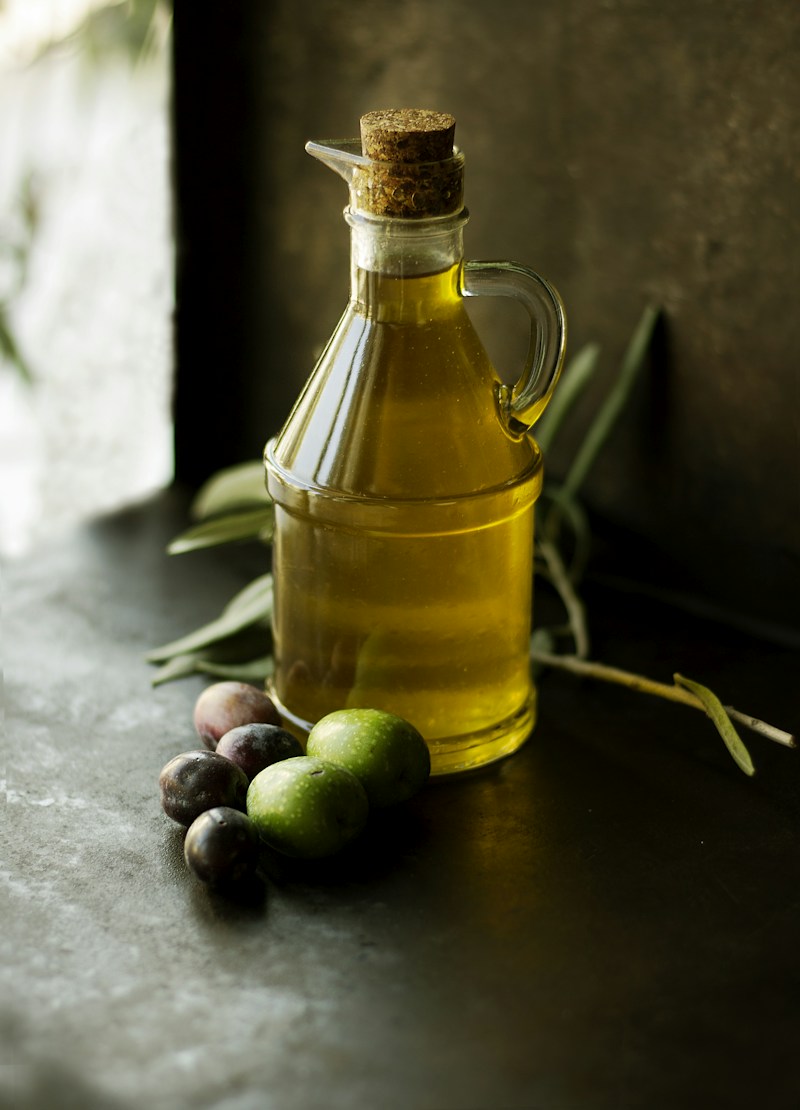
Taste Olive Oil at Its Source
Sample exceptional olive oils at Mediterranean groves.