Explore Marrakech's Medina
From $800
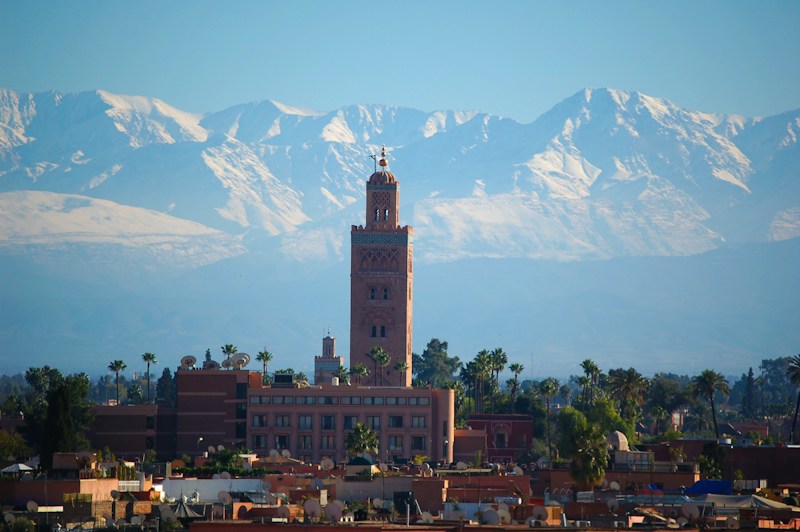
Explore Marrakech's Medina
Navigate the sensory maze of Morocco's most vibrant city.
At a Glance
$800+
4-6 days
Morocco
March-May or September-November
About This Experience
Marrakech assaults your senses from the moment you enter its ancient medina—a labyrinth of narrow passages, covered souks, hidden palaces, and countless riads where the call to prayer mingles with vendors' shouts, where the smell of leather from the tanneries mixes with spices from the market stalls, where motorcycles squeeze past donkey carts and tourists stumble lost through passages that seem designed to confuse. This is not a city that reveals itself easily. Marrakech demands engagement, patience, and a willingness to surrender to experiences that operate on different rules than the Western world. The medina, a UNESCO World Heritage site, represents one of the largest and best-preserved medieval Islamic cities in the world. Founded in 1070 by the Almoravid dynasty, it has accumulated nearly a thousand years of history within its distinctive red-ochre walls. The color, derived from the local clay, gives Marrakech its nickname—the "Red City"—and suffuses the entire medina with warmth, particularly at sunrise and sunset when the light turns the walls golden and the shadows deep purple. Jemaa el-Fnaa, the main square at the medina's heart, transforms throughout the day. Mornings bring orange juice vendors setting up their stalls. Afternoons see snake charmers, henna artists, and acrobats performing for tourists. But the square's true character emerges at dusk when the food stalls open, smoke rises from a hundred grills, storytellers gather crowds who speak no Arabic but are mesmerized nonetheless, and the square becomes a theater of Moroccan life that has continued largely unchanged for centuries. The spectacle is unapologetically touristy yet somehow still authentic—this is how the square has functioned for generations. The souks extend north from Jemaa el-Fnaa in a seemingly infinite network of covered passages, each area specializing in different goods. The leather souk leads to metalworkers hammering lanterns. The carpet souk gives way to sellers of spices piled in colorful pyramids. The dyers' souk bursts with rainbow skeins of wool hanging to dry. Getting lost is inevitable and recommended—the maze eventually delivers you somewhere interesting, and navigating your way back develops skills that transform the medina from intimidating labyrinth to familiar neighborhood. The riads—traditional houses built around interior courtyards—represent Marrakech's hidden beauty. From the street, you see only nondescript doors in blank walls. But step through, and you enter a world of tiled fountains, orange trees, carved plaster, and the tranquil geometry of Islamic domestic architecture. Many have been converted to guesthouses, allowing visitors to stay within the medina's walls and experience the contrast between the chaos outside and the serenity within. Waking to birdsong in a courtyard after the previous evening's sensory overload feels like emerging from a fever dream. The city's historical monuments reveal the ambition of successive dynasties. The Koutoubia Mosque's minaret, visible from throughout the medina, established an architectural template later copied in Seville and Rabat. The Saadian Tombs, sealed for centuries before their rediscovery in 1917, display stunning decorative work in a space designed for royal eternal rest. The Bahia Palace sprawls across acres of gardens, fountains, and ornate chambers built by a grand vizier seeking to impress. The Ben Youssef Madrasa, a 16th-century Koranic school, features carved cedar, intricate zellige tilework, and stucco arabesque that represents the pinnacle of Moroccan decorative arts. Jardin Majorelle provides essential contrast to the medina's intensity. This garden, created by French painter Jacques Majorelle over forty years and later restored by Yves Saint Laurent, centers on a cobalt blue villa surrounded by cacti, palms, bamboo groves, and reflecting pools. The intense blue—now known as "Majorelle blue"—creates a visual sanctuary that seems to exist outside Marrakech's red palette entirely. Arriving early, before the crowds, allows contemplation of a space that combines French aesthetics with Moroccan elements. Moroccan cuisine reaches its peak in Marrakech. The tajine—slow-cooked stew served in the conical dish that gives it its name—achieves complexity through preserved lemons, olives, dried fruits, and spice combinations that have evolved over centuries. Couscous Friday is a tradition where families gather for the weekly ritual of hand-rolled semolina steamed above aromatic broth. Street food offers its own pleasures: msemmen flatbreads cooked on griddles, snail soup from carts in Jemaa el-Fnaa, fresh-squeezed orange juice for pennies. The shopping experience defines Marrakech for many visitors. Negotiating price is not optional—it's expected and forms part of a ritualized interaction between buyer and seller. The initial price might be five times what the merchant expects to receive; your initial offer might be half what you're willing to pay. The dance continues through multiple rounds of offers, counter-offers, theatrical departures, and eventual agreement. Some find this exhausting; others discover genuine pleasure in the game. Marrakech challenges Western travelers in ways that more familiar destinations don't. The persistent attention from touts, the difficulty of navigation, the different social codes, the occasionally aggressive salesmanship—these require adjustment. But the reward for engaging on the city's terms is immersion in a culture that operates by different values, an encounter with beauty and chaos that exists nowhere else in quite this form. Marrakech doesn't offer comfort; it offers transformation.
Cost Breakdown
Estimated costs can vary based on location, season, and personal choices.
Budget
Basic experience, economical choices
Mid-Range
Comfortable experience, quality choices
Luxury
Premium experience, best options
Difficulty & Requirements
Accessible for most people with basic planning.
Physical Requirements
Walking in hot conditions
Tips & Advice
Stay in a traditional riad
Haggle - it's expected and part of the fun
Hire a local guide for your first medina walk
Visit Jardin Majorelle early morning
Watch sunset from a rooftop cafe at Jemaa el-Fnaa
Related Topics
Community Discussion
Ask questions, share tips, or read experiences from others.
View Discussions Start DiscussionShare This Experience
Quick Summary
- Category Travel
- Starting Cost $800
- Time Needed 4-6 days
- Best Season March-May or September-November
- Difficulty Moderate
You Might Also Like
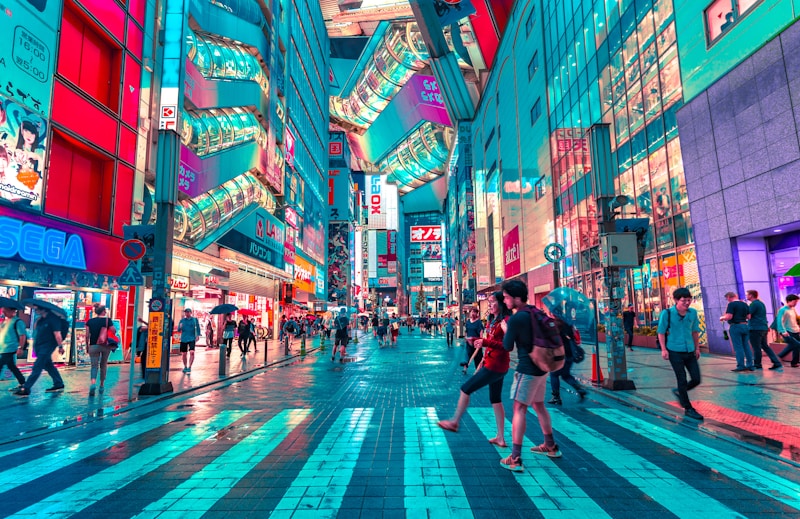
Experience Tokyo
Immerse yourself in the fascinating blend of ultra-modern and traditional.
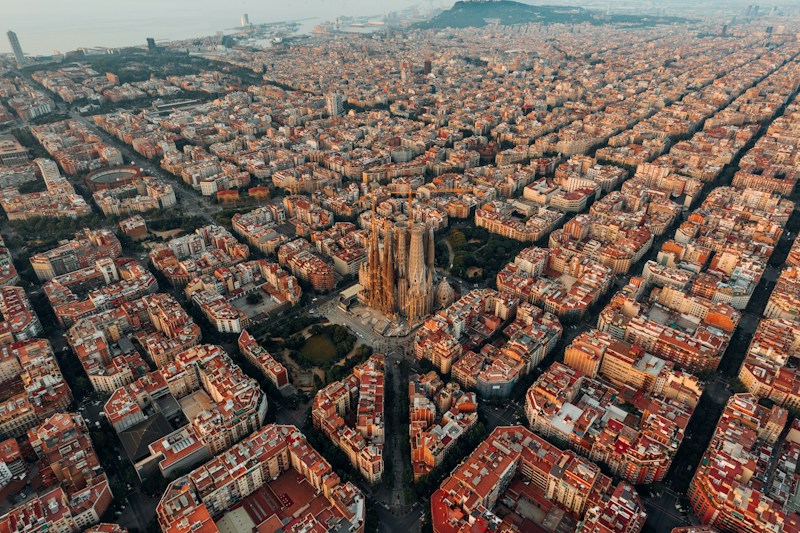
Discover Barcelona
Explore Gaudí's fantastical architecture and vibrant Catalan culture.
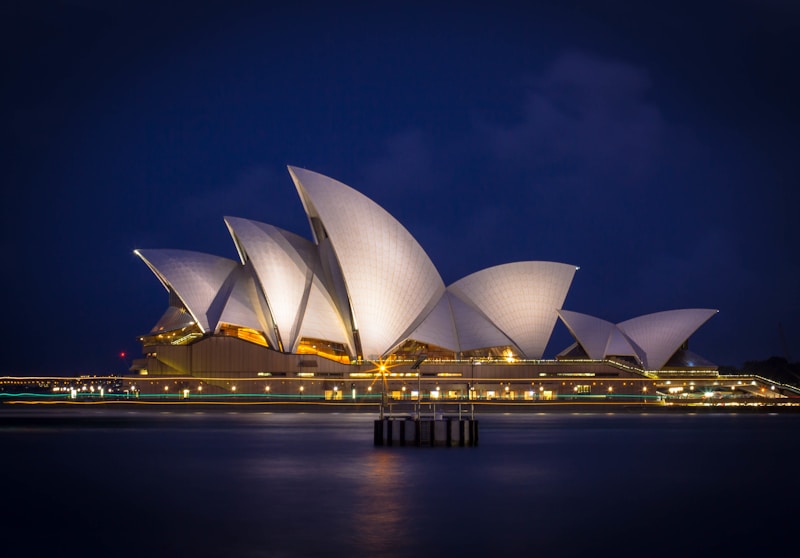
See a Show at the Sydney Opera House
Experience world-class performance in one of the 20th century's most iconic buildings.
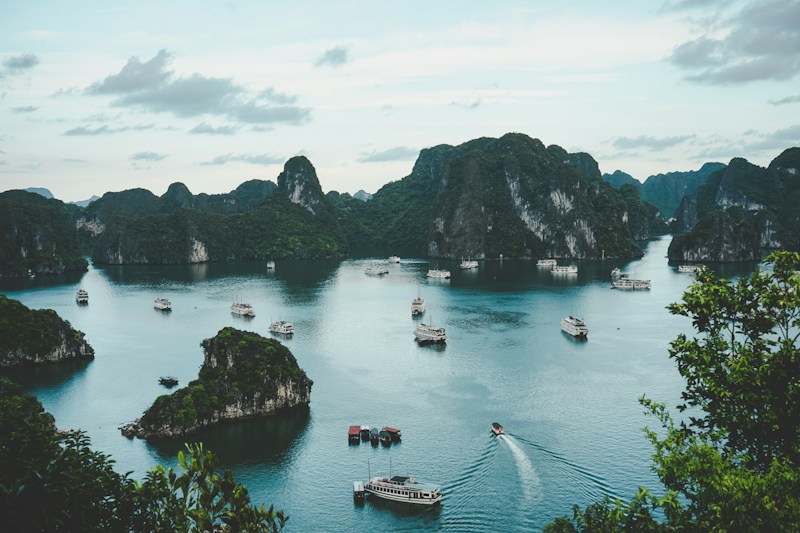
Explore Vietnam
Journey through emerald bays, ancient towns, and vibrant cities.