Discover Barcelona
From $1.2k
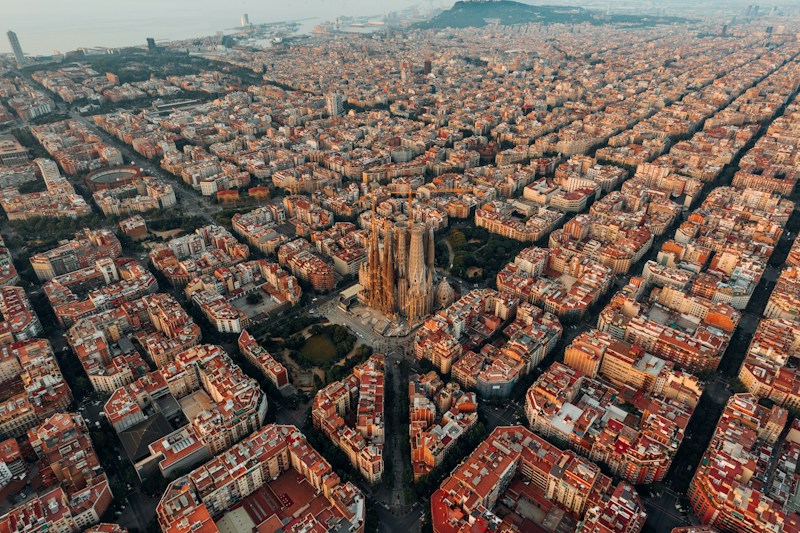
Discover Barcelona
Explore Gaudí's fantastical architecture and vibrant Catalan culture.
At a Glance
$1.2k+
4-7 days
Spain
May-June or September-October
About This Experience
Barcelona occupies a privileged position between mountains and Mediterranean, a city where Gothic cathedrals share streets with modernist masterpieces, where the beach culture of a resort town coexists with the intellectual energy of a European capital, where Catalan identity asserts itself through language, art, and cuisine. This is a city of contradictions held in productive tension: old and new, Spanish and distinctly Catalan, sophisticated and hedonistic, work-hard and play-hard. Antoni Gaudí's architecture defines Barcelona's visual identity. The Sagrada Família, begun in 1882 and still under construction, represents the architect's life work—a basilica that defies architectural categories, its exterior encrusted with religious symbolism and natural forms, its interior a forest of columns that branch like trees to support a ceiling that seems to breathe with colored light filtered through stained glass. Nearby, Casa Batlló's facade undulates like the sea or the scales of a dragon, while Casa Milà (La Pedrera) abandons straight lines entirely for curves that seem carved by wind and water. Park Güell, originally conceived as a utopian housing development, survives as a public park that showcases Gaudí's integration of architecture with landscape. The serpentine bench covered in broken ceramic tiles (trencadís), the gingerbread-like gatehouses, the columns that tilt at angles suggesting organic growth—all demonstrate an artistic vision that found inspiration in nature rather than classical forms. The park fills with visitors seeking the famous viewpoints and photo opportunities, but arriving early reveals a space that functions as neighborhood park for residents walking dogs and children. The Gothic Quarter (Barri Gòtic) preserves medieval Barcelona in a labyrinth of narrow streets that predate wheeled traffic. The Barcelona Cathedral, with its Gothic facade and cloister of white geese, anchors the district. Roman walls emerge between medieval buildings. Plaças (squares) create moments of light and space within the dense urban fabric. The Jewish Quarter (Call) preserves traces of the community that flourished here before the 1391 massacres and 1492 expulsion. Walking these streets at night, when the tourist shops close and residents emerge for evening paseo, the quarter reveals its character as a living neighborhood rather than a museum. The broader Eixample district showcases the planned expansion that Barcelona undertook in the nineteenth century. The grid of streets with chamfered corners (designed to improve visibility at intersections) contains countless modernist buildings beyond Gaudí's famous works. The Hospital de Sant Pau, a UNESCO site designed by Lluís Domènech i Montaner, rivals any Gaudí project in its decorative ambition. The district's density of world-class architecture makes simple walking a constant pleasure of discovery. Catalan identity suffuses Barcelona's experience. The language—related to Spanish but distinct, closer to Provençal French—appears on street signs, in restaurants, and in daily conversation. Political tension with Madrid manifests in independence flags hanging from balconies and occasional demonstrations that can disrupt the city center. Understanding that Barcelona is not simply a Spanish city but the capital of Catalonia—with its own history, culture, and aspirations—enriches any visit beyond the architectural highlights. The food culture deserves pilgrimage in itself. La Boqueria market on Las Ramblas, though tourist-heavy, still delivers sensory overload: displays of jamón ibérico, piles of seafood on ice, juice stands, and counter bars serving tapas to standing crowds. Beyond the market, Barcelona's restaurant scene spans traditional Catalan cuisine (escalivada, calcots, suquet), avant-garde experimentation from chefs trained in the Adrià revolution, and neighborhoods where immigrant communities have created their own food cultures. The beach culture that seems eternal is actually recent—the waterfront was industrial and largely inaccessible until the 1992 Olympics prompted massive redevelopment. Barceloneta beach now fills with locals and tourists alike on summer weekends, the chiringuito beach bars serving drinks as the Mediterranean laps the sand. The Port Olimpic and Forum areas to the north offer different vibes, from yacht-club sophistication to outdoor festivals. Nightlife in Barcelona operates on Spanish time, which means dinner at 10 PM and clubs that don't fill until 2 AM. The range spans rooftop cocktail bars with city views, traditional bodegas where locals have drunk the same vermouth for generations, basement clubs playing everything from techno to reggaeton, and beach clubs where the party continues until dawn breaks over the Mediterranean. The human density that makes Barcelona vibrant also creates challenges. Overtourism has prompted resident protests and regulations limiting vacation rentals. Pickpocketing on Las Ramblas and the Metro requires vigilance. The most popular sites require advance booking and strategic timing. Barcelona rewards those who venture beyond the obvious attractions into neighborhoods like Gràcia, Poble Sec, and Sant Antoni, where daily life continues with less tourist performance. Barcelona delivers on its promises of beauty, pleasure, and Mediterranean lifestyle, but it offers more to those who engage with its complexity—the political tensions, the architectural obsessions, the culinary traditions, the proud Catalan identity that distinguishes it from any other Spanish city. This is not a museum or a beach resort but a working European capital that happens to possess extraordinary beauty and a culture of enjoyment that infuses even mundane activities with pleasure.
Cost Breakdown
Estimated costs can vary based on location, season, and personal choices.
Budget
Basic experience, economical choices
Mid-Range
Comfortable experience, quality choices
Luxury
Premium experience, best options
Difficulty & Requirements
Perfect for beginners. Minimal preparation needed.
Physical Requirements
Walking
Tips & Advice
Book Sagrada Família tickets online weeks ahead
Explore the Gothic Quarter on foot
Eat at La Boqueria market
Take in views from Park Güell
Stay in Gràcia for local neighborhood feel
Related Topics
Community Discussion
Ask questions, share tips, or read experiences from others.
View Discussions Start DiscussionShare This Experience
Quick Summary
- Category Travel
- Starting Cost $1.2k
- Time Needed 4-7 days
- Best Season May-June or September-October
- Difficulty Easy
Explore More
You Might Also Like
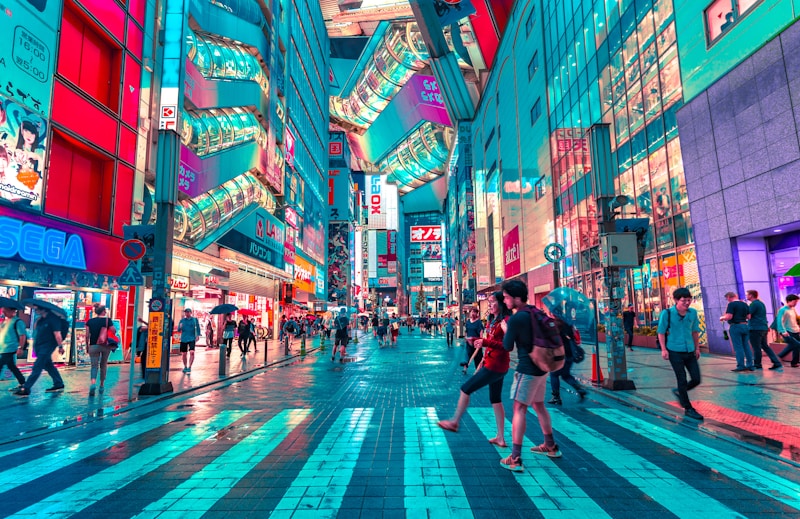
Experience Tokyo
Immerse yourself in the fascinating blend of ultra-modern and traditional.
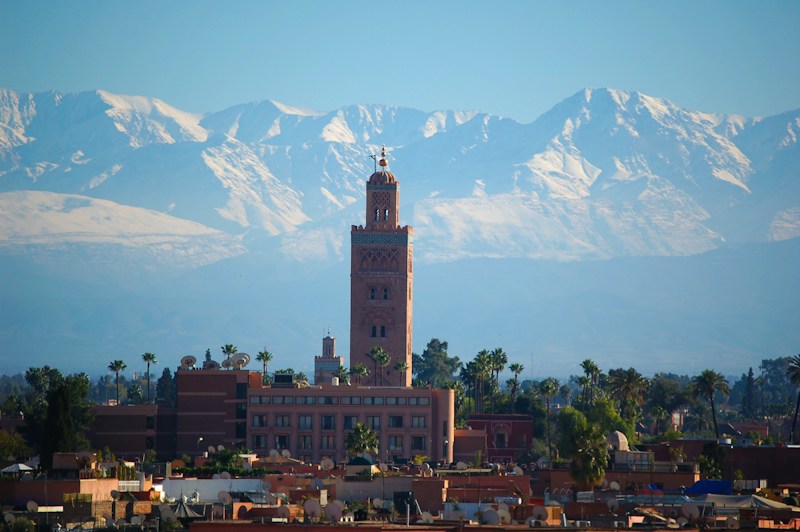
Explore Marrakech's Medina
Navigate the sensory maze of Morocco's most vibrant city.
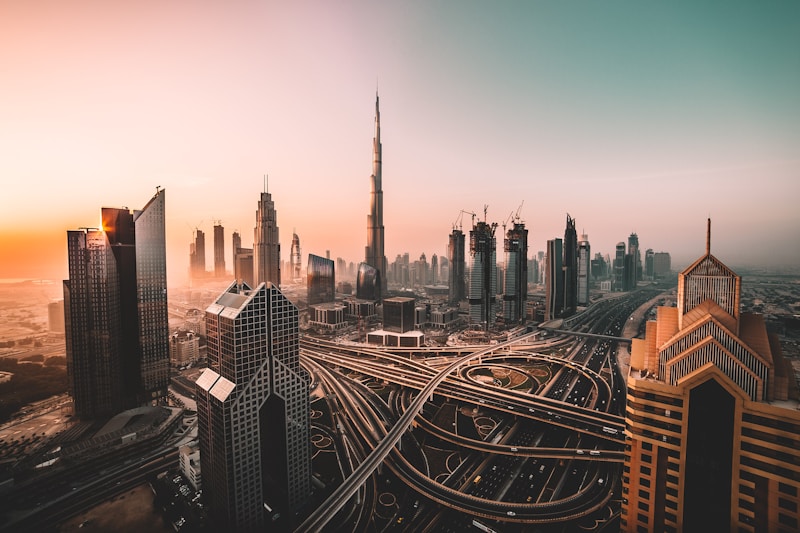
Experience Dubai
Witness the audacious ambition of the world's most futuristic city.
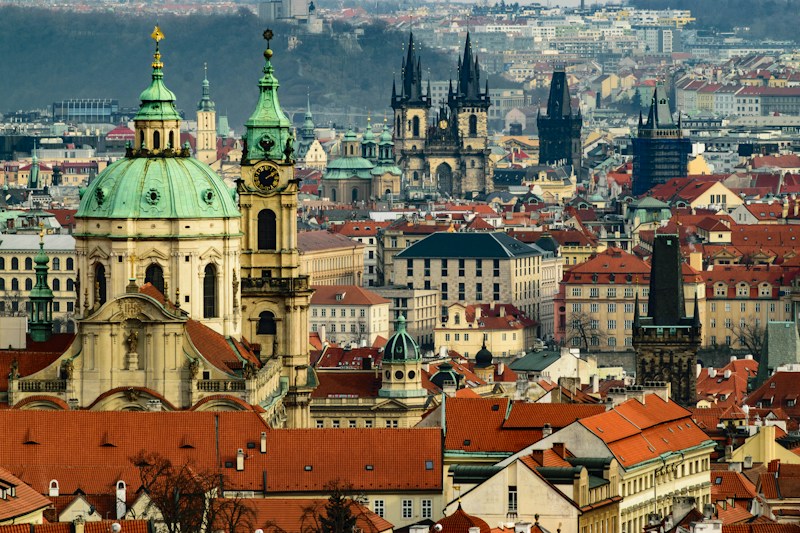
Wander Through Prague
Explore the fairytale spires and cobblestone streets of the Golden City.