Learn Home Brewing
From $100
At a Glance
$100+
4-8 weeks per batch
Year-round
About This Experience
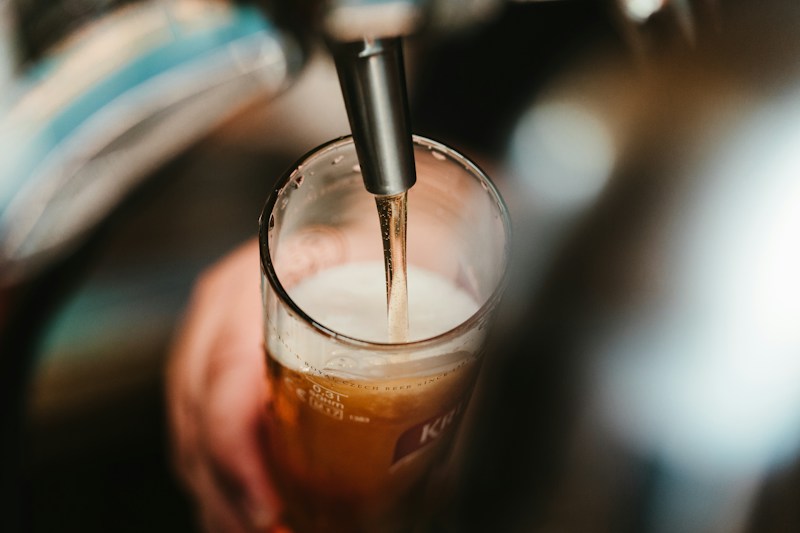
Home brewing combines understanding of microbiology, chemistry, and process engineering with the creative satisfaction of developing recipes and the simple pleasure of drinking beer you made yourself. The hobby spans a spectrum from kit brewing that produces good results with minimal expertise through all-grain brewing that rivals commercial craft production in complexity and quality. The brewing process fundamentals remain consistent across methods: extract fermentable sugars from grain, boil with hops for bitterness and flavor, cool, add yeast, ferment, and package. Understanding why each step matters helps troubleshoot problems and supports recipe development. The biochemistry underlying fermentation fascinates many brewers; understanding it isn't required for success but enriches the experience. The extract brewing that most beginners start with uses pre-processed malt extract that eliminates the mashing step (converting grain starches to fermentable sugars). Extract kits provide all necessary ingredients with detailed instructions; following them carefully produces drinkable beer on the first attempt. The simplification allows focus on fermentation management—the most important variable for beginners—without the complexity of grain handling. The all-grain transition opens full creative control over malt character, color, and body. The additional equipment—mash tun, hot liquor tank, more precise temperature control—requires investment, and the process adds several hours to brew day. The rewards include unlimited recipe flexibility and the satisfaction of building beer from raw ingredients. Many brewers remain happy with extract brewing; others find the all-grain learning curve worth climbing. The sanitation emphasis cannot be overstated: after wort is cooled, everything that contacts it must be sanitized or wild organisms will contaminate the batch. The mantra "sanitize, sanitize, sanitize" reflects that contamination causes most homebrew failures. Developing consistent sanitation habits removes most uncertainty from the process; skipping or rushing sanitation explains most bad batches. The fermentation management involves providing yeast with appropriate conditions: correct pitching rate, proper temperature, and sufficient time. Rushing fermentation (bottling too early), fermenting too warm (producing off-flavors), and underpitching yeast (stressing yeast and producing off-flavors) are common beginner errors. Temperature control during fermentation—easier in some climates and housing situations than others—often provides the biggest improvement in beer quality. The recipe development follows naturally from understanding how ingredients contribute to finished beer. Specialty malts add color and flavor; hop variety and timing determine bitterness and aroma; yeast selection shapes fermentation character; water chemistry affects everything. Cloning commercial beers teaches recipe construction; eventually, original recipes express personal preferences. The community through homebrew clubs, online forums, and local homebrew shops provides resources that accelerate learning. Experienced brewers are remarkably generous with knowledge; the tradition of sharing recipes and troubleshooting problems enriches the hobby. Local clubs often organize group brew days, competitions, and education sessions that provide community alongside learning.
Cost Breakdown
Estimated costs can vary based on location, season, and personal choices.
Budget
Basic experience, economical choices
Mid-Range
Comfortable experience, quality choices
Luxury
Premium experience, best options
Difficulty & Requirements
Requires some preparation, skills, or resources.
Physical Requirements
Lifting 5-gallon batches
Prerequisites
- Basic equipment
- Space for fermentation
Tips & Advice
Start with extract kits before all-grain
Sanitation is 90% of success
Homebrew shops offer invaluable advice
Keep detailed notes
Your first batches will be good but not great - keep going
Community Discussion
Ask questions, share tips, or read experiences from others.
View Discussions Start DiscussionShare This Experience
Quick Summary
- Category Learning
- Starting Cost $100
- Time Needed 4-8 weeks per batch
- Best Season Year-round
- Difficulty Challenging
You Might Also Like
Learn to Play a Musical Instrument
Pick up an instrument and learn to play songs you love.

Learn Astronomy
Understand the night sky and observe celestial wonders.

Master Calligraphy
Learn the art of beautiful writing.
Learn Beekeeping
Keep bees and harvest your own honey.