Kayak Among Glaciers
From $100

Kayak Among Glaciers
Paddle through icy waters surrounded by massive glaciers.
At a Glance
$100+
Half to full day
Alaska, Patagonia, Norway, New Zealand
June to September
About This Experience
Sea kayaking among glaciers places you at the interface between land, sea, and ice—three elements converging in environments that exist nowhere else on Earth. Your kayak floats among icebergs carved from glacial faces, their blues ranging from pale aquamarine to deep cobalt depending on the ice's density and age. The silence of glacial fjords, broken only by your paddle strokes and the occasional crack or crash of calving ice, creates atmosphere that motorized boats cannot match. This is the closest most people will ever come to the ice ages that shaped our planet's geography. The glacier's terminus—where ice meets sea—demands both respect and careful distance. Calving events, when building-sized chunks of ice break free, create waves that can capsize kayaks hundreds of meters away. Experienced guides know the safe zones, reading ice conditions and maintaining distances that allow viewing without danger. The payoff for this caution is front-row seats to one of nature's most dramatic processes: ice that fell as snow centuries or millennia ago completing its journey from mountain to sea. Alaska's Kenai Fjords and Prince William Sound offer the most accessible glacier kayaking in North America. The massive tidewater glaciers—Aialik, Holgate, Northwestern—provide backdrops that seem designed for photography. Harbor seals rest on icebergs, sea otters float in the cold water, and the mountains rising from the fjords add vertical drama to the horizontal seascape. Multi-day expeditions paddle between campsites, the remoteness increasing as you travel deeper into wilderness that roads and most boats cannot reach. Patagonia's glaciers—Grey Glacier in Torres del Paine, Perito Moreno, and countless unnamed ice rivers in the fjords—provide Southern Hemisphere alternatives with distinct character. The glacial lakes here glow with intense blue-green color from glacial flour suspended in the water. The weather is famously volatile, sunshine giving way to driving rain within hours, but the dramatic landscapes reward those willing to accept the conditions. Chilean and Argentine guides have developed expertise in these environments over decades of exploration. The Norwegian Arctic offers glacier kayaking combined with midnight sun or northern lights depending on the season. Svalbard, the Norwegian archipelago far above the Arctic Circle, provides encounters with tidewater glaciers, polar bears (viewed cautiously from water), and Arctic landscapes of stark beauty. The expedition-cruise model here places kayaks on larger vessels, allowing access to remote glaciers that independent paddling could never reach. The equipment for glacier kayaking addresses the cold water environment. Dry suits seal out water that would quickly incapacitate you if you capsized; their requirement reflects the genuine danger of immersion in near-freezing water. Paddle jackets, pogies (mitts that attach to the paddle), and insulating layers keep extremities functional during hours of paddling. The kayaks themselves are typically sea kayaks—stable, seaworthy, with compartments that keep gear dry and provide emergency flotation. The skills required vary by operation. Guided day trips accommodate complete beginners, with basic instruction followed by supported paddling where guides manage route-finding and safety. Multi-day expeditions typically require some kayaking experience and the ability to paddle for hours while maintaining situational awareness. The physical demands include upper body endurance and core stability rather than extreme strength; the psychological demands include comfort in cold, remote environments where rescue would take time. The conservation dimension deserves acknowledgment. The glaciers we paddle among are retreating—visibly, measurably, year after year. The kayaking opportunities exist in part because melting ice has created new waterways and exposed rock that was buried under ice within living memory. The experience carries weight beyond simple adventure; you're witnessing climate change in its most direct manifestation, the ancient ice disappearing while humans paddle through water that didn't exist decades ago. This context transforms glacier kayaking from mere recreation into something closer to witness.
Cost Breakdown
Estimated costs can vary based on location, season, and personal choices.
Budget
Basic experience, economical choices
Mid-Range
Comfortable experience, quality choices
Luxury
Premium experience, best options
Difficulty & Requirements
Requires some preparation, skills, or resources.
Physical Requirements
Upper body endurance, comfort in cold water
Prerequisites
- Basic kayaking skills (or guided trip)
Tips & Advice
Alaska's Kenai Fjords is spectacular
Dry suits keep you warm in glacial waters
Keep distance from calving glaciers - waves are dangerous
Patagonia's Grey Glacier is accessible
Multi-day trips offer deeper wilderness experience
Community Discussion
Ask questions, share tips, or read experiences from others.
View Discussions Start DiscussionShare This Experience
Quick Summary
- Category Adventure
- Starting Cost $100
- Time Needed Half to full day
- Best Season June to September
- Difficulty Challenging
Explore More
You Might Also Like

Zip Line Through a Rainforest Canopy
Fly through the treetops of an ancient forest.

Swim in Bioluminescent Waters
Watch the water glow around you with each movement.
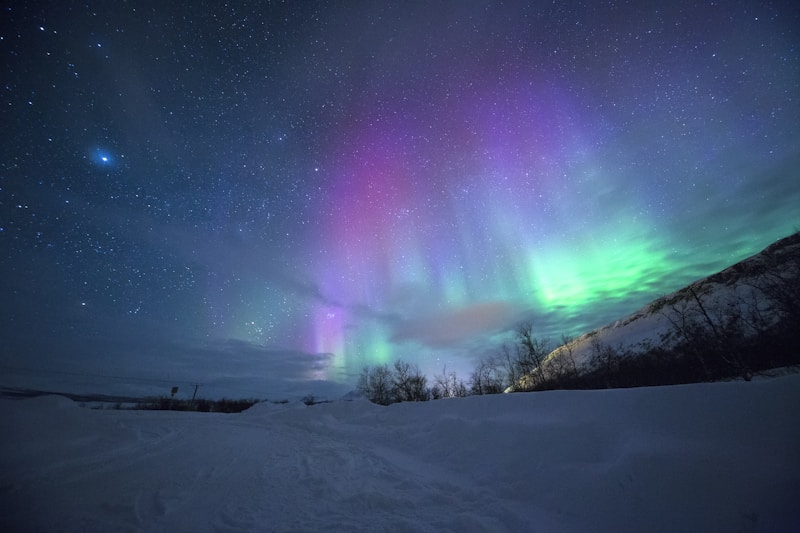
Hike Under the Midnight Sun
Trek through endless daylight in the Arctic summer.
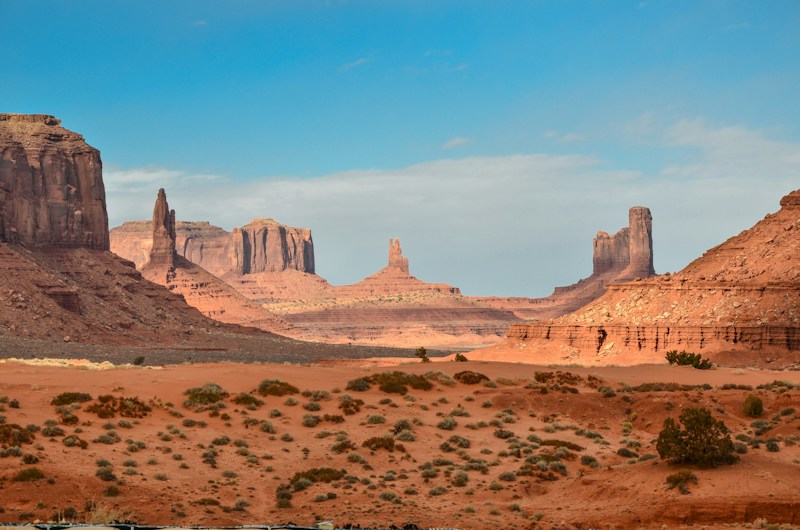
Experience a Sandstorm Safely
Witness the raw power of a desert sandstorm from safety.