Experience a Sandstorm Safely
From $200
Experience a Sandstorm Safely
Witness the raw power of a desert sandstorm from safety.
At a Glance
$200+
1-3 days (depends on weather)
Sahara, Arabian Desert, Gobi
Storm season varies by desert
About This Experience
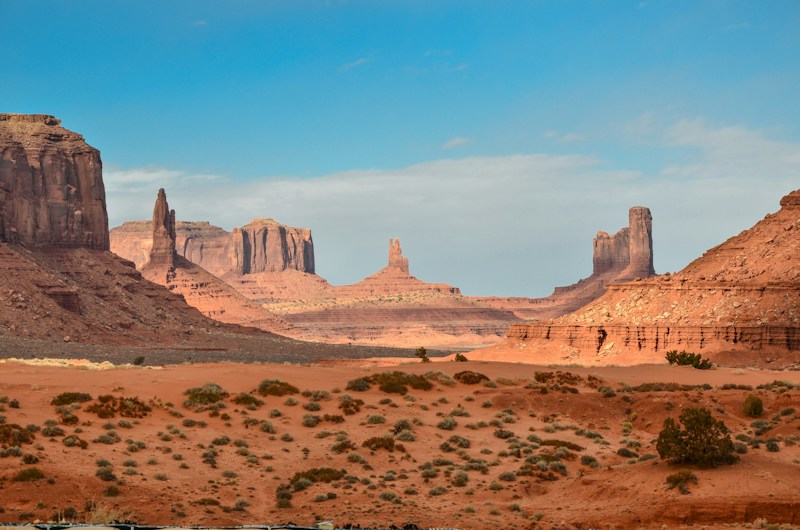
Sandstorms demonstrate atmospheric power on a scale that most weather phenomena cannot approach—walls of sand rising thousands of feet high, advancing across desert terrain at highway speeds, blotting out the sun and reducing visibility to meters or less. The experience of witnessing one safely—from shelter rather than caught in the open—provides visceral education in forces that no textbook can convey. The roar of wind carrying sand, the eerie twilight that replaces daylight, the knowledge that this swirling chaos would be fatal to anyone exposed: these sensations remind you that nature's indifference to human concerns is not a metaphor. The physics behind sandstorms involves wind lifting fine particles from desert surfaces, creating suspension that can persist for hours or days. The largest events—called haboobs—form when thunderstorm downdrafts hit the ground and spread outward, scooping sand into the atmosphere. The wall of sand at the storm's leading edge creates the dramatic visual that photographers seek. Behind this wall, visibility may improve somewhat or may remain near zero depending on conditions. The storms can cover hundreds of square miles, affect multiple countries, and deposit sand thousands of miles from its origin. The Sahara generates the world's most frequent and largest sandstorms, with dust sometimes crossing the Atlantic to settle in the Caribbean and Amazon. The Arabian Peninsula, Gobi Desert, Australian Outback, and American Southwest each produce storms with regional characteristics. The seasonal patterns vary: Saharan storms peak in spring and summer; Arizona haboobs accompany summer monsoon thunderstorms; Gobi dust storms intensify in spring. Understanding these patterns helps position for potential encounters without guaranteeing specific timing. The witnessing must be done from appropriate shelter. Caught in the open, sandstorms abrade exposed skin, deposit sand in every opening (eyes, nose, mouth, ears), can cause disorientation leading to fatal navigation errors, and in extreme cases bury vehicles or even small structures. The safe approach involves vehicles with closed windows and air recirculation, buildings with sealed doors and windows, or specialized desert shelters used by Bedouin and other desert-dwelling peoples. The goal is observation rather than immersion. The guided desert expeditions that offer sandstorm experiences operate on the understanding that storms cannot be scheduled. You travel to sandstorm-prone regions during likely seasons, experience desert camping and exploration, and may or may not encounter significant storms during your stay. Some operators with decades of desert experience can read conditions well enough to position for developing storms; even so, the unpredictability means accepting that your trip might not include the dramatic event you sought. The aftermath of a sandstorm often provides photographic opportunities that the storm itself—reduced visibility, sand in lenses—cannot. The light immediately after clearing can be exceptional: cleaned atmosphere, particular colors, contrast between untouched and sand-covered surfaces. The stillness that follows hours of roaring wind creates its own atmosphere. Some travelers find the post-storm quiet as memorable as the storm itself. The respect required for this bucket-list item deserves emphasis. Desert environments have killed experienced travelers who underestimated conditions; sandstorms have claimed lives throughout recorded history. The experience should involve guides who know the specific desert, appropriate equipment, and realistic understanding that some things you might witness aren't predictable or safe to seek directly. The reward for appropriate caution is safe access to one of nature's most dramatic displays.
Cost Breakdown
Estimated costs can vary based on location, season, and personal choices.
Budget
Basic experience, economical choices
Mid-Range
Comfortable experience, quality choices
Luxury
Premium experience, best options
Difficulty & Requirements
Accessible for most people with basic planning.
Physical Requirements
Tolerance for harsh conditions
Prerequisites
- Good guide with storm experience
Tips & Advice
Never seek this out without expert guides
Shelter in a vehicle or structure, never in the open
Protect all electronics in sealed bags
The aftermath light can be incredible for photography
Carry ample water and supplies
Community Discussion
Ask questions, share tips, or read experiences from others.
View Discussions Start DiscussionShare This Experience
Quick Summary
- Category Adventure
- Starting Cost $200
- Time Needed 1-3 days (depends on weather)
- Best Season Storm season varies by desert
- Difficulty Moderate
You Might Also Like
Go Sandboarding
Surf down massive sand dunes in the desert.
Swim in Bioluminescent Waters
Watch the water glow around you with each movement.
Hike Under the Midnight Sun
Trek through endless daylight in the Arctic summer.
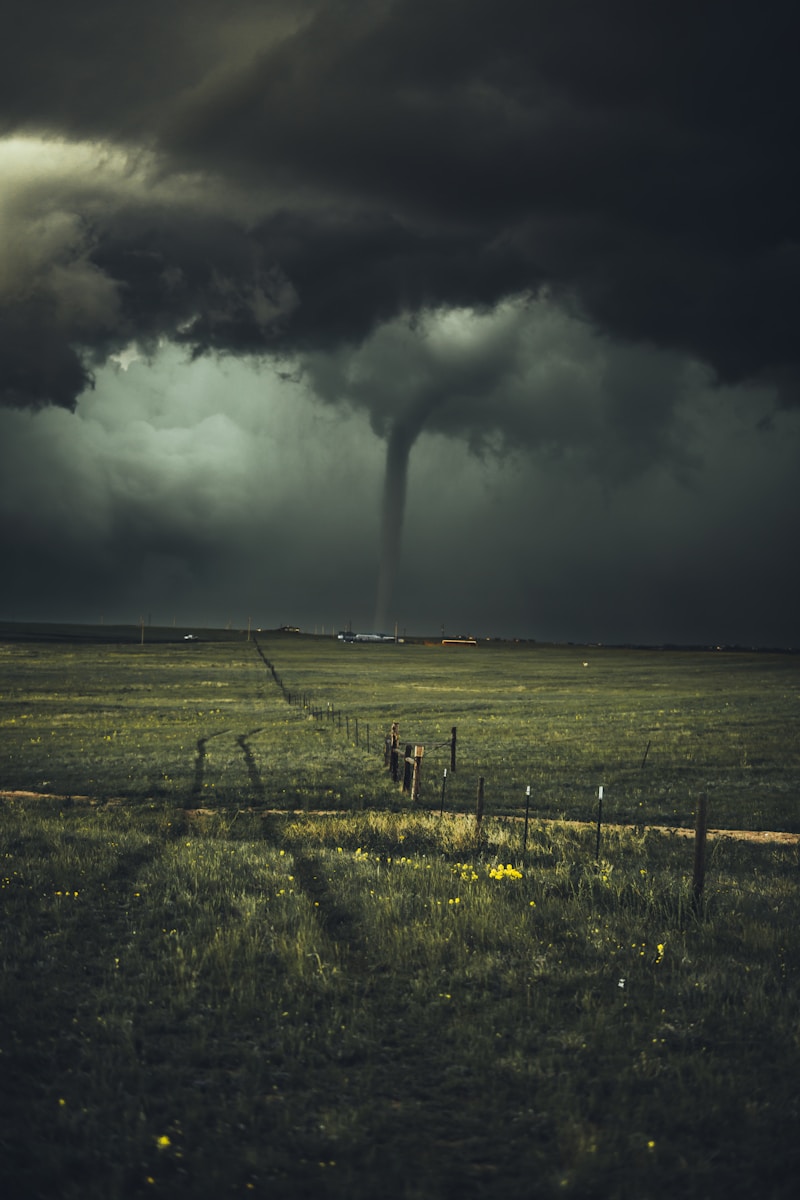
Go Storm Chasing
Pursue tornadoes and severe storms with expert guides.