Row Across the Atlantic Ocean
From $50k
At a Glance
$50k+
40-70 days
Canary Islands to Caribbean
December start (trade wind route)
About This Experience
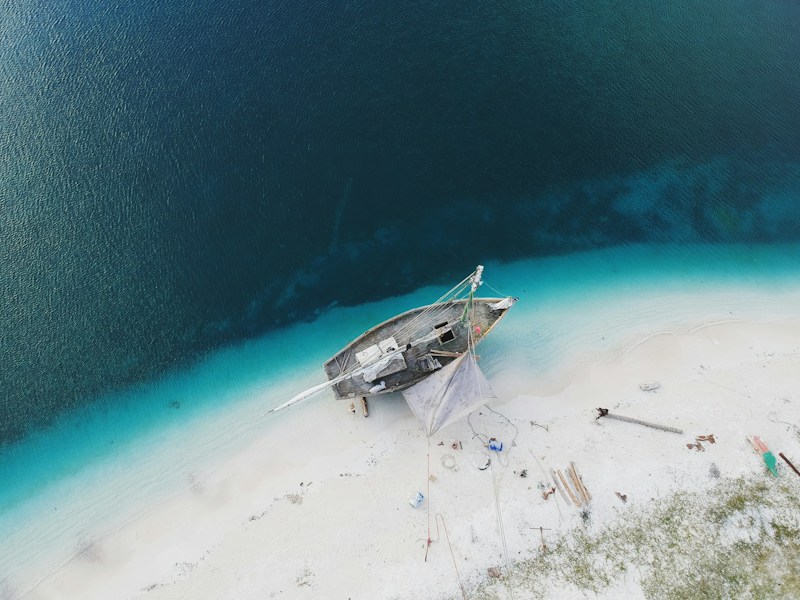
Ocean rowing represents human-powered adventure at its most elemental—propelling a specialized boat across 3,000 miles of open ocean through pure physical effort, enduring 40-70 days of continuous rowing, managing sleep in 90-minute fragments, and confronting the psychological challenges of isolation in the world's most powerful environment. The Atlantic crossing from the Canary Islands to the Caribbean has become the standard route, following the trade winds that once propelled sailing ships along the same path. The boats designed for ocean rowing bear little resemblance to the racing shells that most people associate with the sport. Ocean rowing boats are essentially survival capsules with oars: sealed compartments that self-right after capsizes, watermakers for converting seawater to drinking water, solar panels and batteries for electronics, storage for 60+ days of food, and sleeping quarters that typically consist of narrow cabin spaces barely larger than the rowers themselves. The boats prioritize survival over speed, though modern designs have improved both. The rowing itself follows continuous rotation schedules that ensure forward progress 24 hours per day. Solo rowers alternate between rowing and rest periods throughout day and night; teams of two, three, or four rotate through shifts that keep oars moving constantly. The typical arrangement has rowers working two hours on, two hours off, around the clock—a schedule that produces chronic sleep deprivation but maintains the progress necessary for crossing before supplies run out. The physical demands extend beyond rowing itself into the management of a body under constant assault. Saltwater sores develop where skin contacts seats or oars repeatedly; hands blister, callus, and sometimes blister again through the calluses. Weight loss of 20-40 pounds is normal despite caloric intakes exceeding 5,000 calories daily. The body adapts to rowing in remarkable ways—rowers report entering states where the stroke becomes automatic, the mind disengaging while arms and legs continue the rhythm. The Talisker Whisky Atlantic Challenge has become the premier organized crossing event, providing safety monitoring, standardized start and finish points, and the community of similarly committed rowers that makes extreme endeavors more manageable. The race attracts approximately 30 boats annually, ranging from solo rowers through four-person teams, with completion times spanning from 30 to 90+ days depending on conditions and crew configuration. The psychological dimensions of ocean rowing receive intense attention from participants and researchers. The isolation—weeks without seeing any other humans except row partners—produces experiences that participants describe variously as meditative, maddening, profound, and desperate. The hallucinations that accompany sleep deprivation become expected elements of the crossing; managing them while continuing to make sound decisions about navigation, weather, and safety tests mental resilience alongside physical. The ocean environment presents both hazards and wonders. Storms can produce waves that capsize boats (which self-right but traumatize occupants); shipping traffic creates collision risks that require constant watch; equipment failures far from help demand self-sufficiency that few other activities require. But the same ocean offers dolphin encounters, bioluminescent nights where every stroke produces trails of light, and the profound isolation that participants often describe as the experience's greatest gift. The finish—arriving in Antigua or another Caribbean island after weeks of uninterrupted effort—produces emotions that participants struggle to convey. The solid ground feels strange; the absence of motion seems unnatural; the re-entry into a world with other people overwhelms senses accustomed to emptiness. Most ocean rowers describe the crossing as transformative in ways that persist long after the physical recovery completes—a recalibration of what's possible that shapes how they approach challenges for the rest of their lives.
Cost Breakdown
Estimated costs can vary based on location, season, and personal choices.
Budget
Basic experience, economical choices
Mid-Range
Comfortable experience, quality choices
Luxury
Premium experience, best options
Difficulty & Requirements
Expert level. Extensive preparation, skills, and resources needed.
Physical Requirements
Extreme rowing fitness, sea legs
Prerequisites
- Ocean rowing training
- Navigation skills
- Survival at sea training
Tips & Advice
The Talisker Whisky Atlantic Challenge is the main race
Most row in teams of 2-4
Solo crossings are rare achievements
Sleep is limited to 90-minute naps
Capsizes are common - boats self-right
Community Discussion
Ask questions, share tips, or read experiences from others.
View Discussions Start DiscussionShare This Experience
Quick Summary
- Category Adventure
- Starting Cost $50k
- Time Needed 40-70 days
- Best Season December start (trade wind route)
- Difficulty Extreme
You Might Also Like
Cage Dive with Great White Sharks
Come face-to-face with the ocean's apex predator.

Run an Ultramarathon
Complete a race longer than 26.2 miles.
Swim the English Channel
Cross the 21-mile strait between England and France.
Complete Race Across America (RAAM)
Cycle 3,000 miles across the USA non-stop.