Go Storm Chasing
From $500
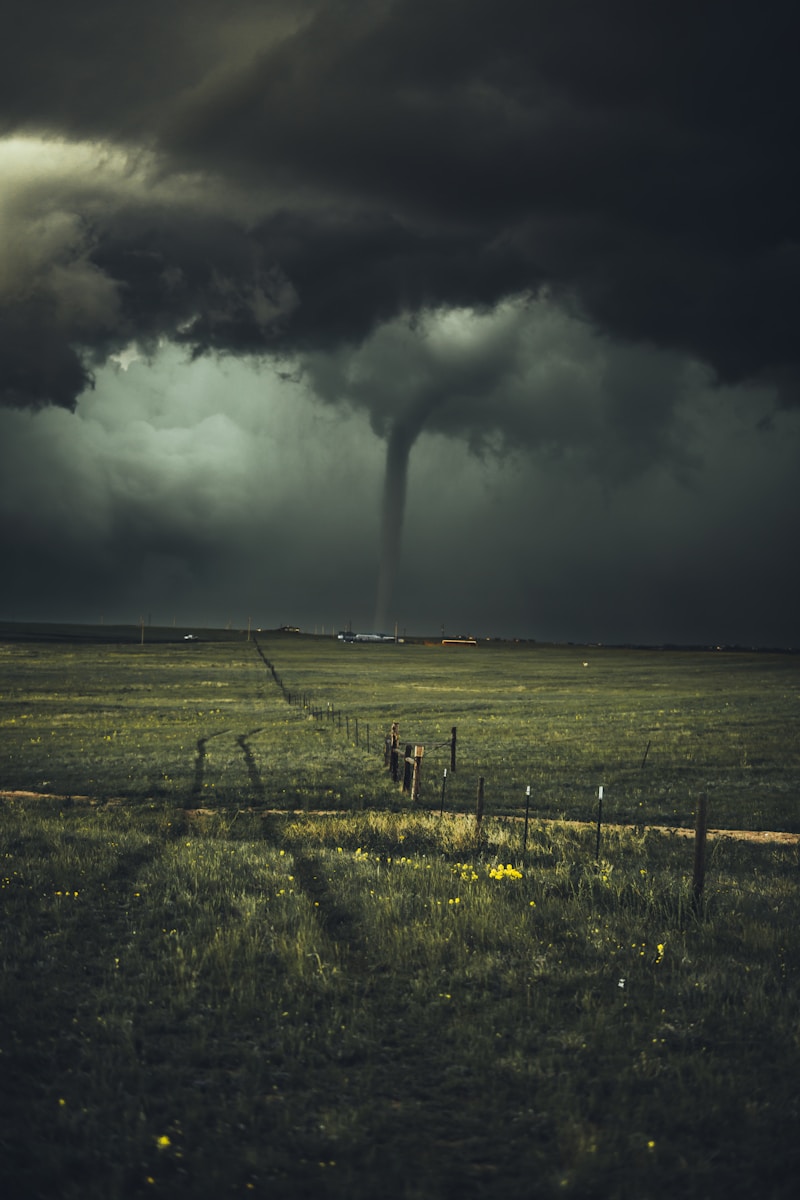
Go Storm Chasing
Pursue tornadoes and severe storms with expert guides.
At a Glance
$500+
1 day to 2 weeks
Oklahoma, Kansas, Texas, Nebraska
April to June (Tornado Alley)
About This Experience
Storm chasing positions you in the presence of atmospheric violence that no video can adequately represent—supercell thunderstorms rotating with energy that dwarfs nuclear explosions, walls of rain and hail descending from clouds that seem to reach into space, and sometimes the tornado itself: a vortex of wind capable of erasing anything in its path, beautiful and terrifying in equal measure. The experience of watching a tornado form from a safe distance—safe being a relative term that professional chasers calculate in real-time based on storm motion, terrain, and escape routes—provides education in natural power that nothing else can offer. The storm chasing tours that serve this bucket-list item typically operate during Tornado Alley's peak season: April through June, when the collision of warm Gulf moisture and cold Canadian air creates conditions that spawn the world's most frequent and violent tornadoes. The geography centers on Oklahoma, Kansas, Texas, Nebraska, and surrounding states—flat terrain that both produces tornadoes and allows visibility and escape routes that mountainous terrain would complicate. Tour operators base in cities like Oklahoma City and deploy mobile for targets that forecast models and their experience identify. The daily rhythm of storm chasing involves waiting, driving, and (with luck) witnessing. Morning starts with analysis of weather data: atmospheric moisture, wind shear, instability indices that predict thunderstorm development. The chase target—a geographic area most likely to produce significant storms—emerges from this analysis, sometimes requiring drives of several hundred miles. Then you wait, watching the sky, as cumulus clouds build into cumulonimbus towers. The transformation from ordinary thunderstorm to supercell—the rotating, organized storm structure that can produce tornadoes—happens surprisingly quickly when conditions align. The supercell itself, even without tornado production, provides spectacle worth the chase. These storms organize around mesocyclones—rotating updrafts that give the clouds their distinctive shape and their severe-weather potential. The visual structure includes the wall cloud (lowered, rotating base), the flanking line (smaller clouds feeding moisture into the system), and sometimes the beaver tail (horizontal cloud extending from the storm's base). Experienced chasers read this structure to anticipate tornado potential and position for observation. The tornado, if one forms, ranges from brief and weak (lasting seconds, doing minimal damage) to violent and long-tracked (lasting hours, destroying everything in its path). The EF scale rates tornado intensity based on damage rather than direct measurement; the strongest (EF5) sustain winds over 200 mph. Seeing any tornado provides bucket-list completion; witnessing a significant one creates memories that reshape understanding of what wind can accomplish. The safety protocols that professional storm chasers follow involve complex decisions made in real-time with incomplete information. Positioning requires being close enough to observe but with escape routes if the storm shifts direction. The vehicles are heavy and carry weather monitoring equipment; good operators know when to hold position and when to run. The judgment developed over years of chasing cannot be acquired from books; choosing operators based on experience and safety record matters more than price. The guaranteed outcome of a storm chase tour is experience of Tornado Alley's atmosphere and severe weather culture; the uncertain outcome is tornado sighting. Multi-day tours improve odds dramatically—more chances mean more opportunities for favorable conditions. Single-day tours may produce nothing more dramatic than rain. The unpredictability is honest: nature doesn't perform on schedule, and even the best forecasters miss events while other days exceed expectations. The photography opportunities during storm chasing rank among nature photography's most dramatic. The storm structures, lightning, and (if you're fortunate) tornadoes themselves provide subjects that photographers travel worldwide to capture. The conditions—often rapidly changing light, difficult positioning, safety concerns—challenge even experienced photographers. Many chasers eventually identify as photographers who happen to study severe weather.
Cost Breakdown
Estimated costs can vary based on location, season, and personal choices.
Budget
Basic experience, economical choices
Mid-Range
Comfortable experience, quality choices
Luxury
Premium experience, best options
Difficulty & Requirements
Accessible for most people with basic planning.
Physical Requirements
Ability to sit in vehicle for hours
Prerequisites
- None - guides handle everything
Tips & Advice
Book multi-day tours for best chance of action
Tornado Alley in spring is prime time
Some days have no storms - patience required
Trust your guides' safety decisions
The beauty of supercells is worth it even without tornadoes
Related Topics
Community Discussion
Ask questions, share tips, or read experiences from others.
View Discussions Start DiscussionShare This Experience
Quick Summary
- Category Adventure
- Starting Cost $500
- Time Needed 1 day to 2 weeks
- Best Season April to June (Tornado Alley)
- Difficulty Moderate
You Might Also Like
Witness a Wingsuit Flight
Watch humans fly through the air in wingsuits.
Experience a Sandstorm Safely
Witness the raw power of a desert sandstorm from safety.
Rappel Down a Waterfall
Descend through a cascading waterfall on rope.
Go Skydiving
Experience the ultimate adrenaline rush by jumping from a plane.