Cycle Through Amsterdam
From $1.0k
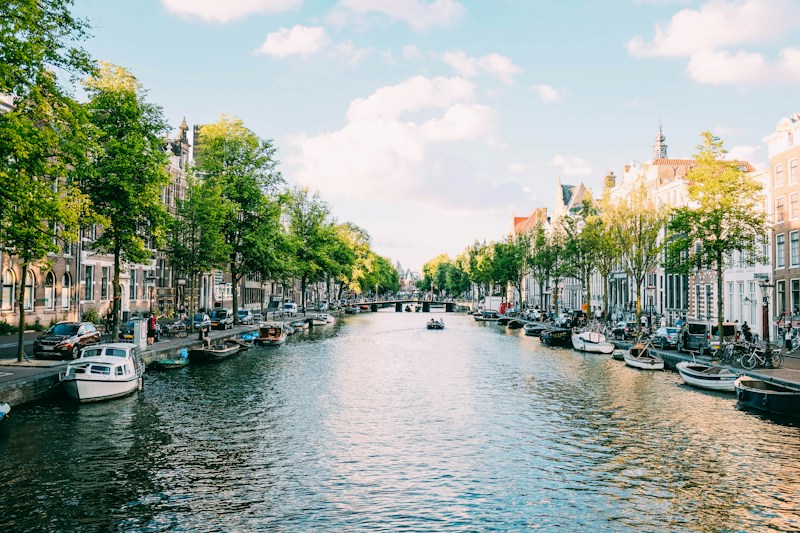
Cycle Through Amsterdam
Explore the charming canals and world-class museums by bicycle.
At a Glance
$1.0k+
3-5 days
Netherlands
April-May (tulip season) or September
About This Experience
Amsterdam enchants through contradictions—a city of Golden Age merchant wealth and contemporary progressive policies, of world-class museums and notorious coffeeshops, of packed tourist centers and quiet residential neighborhoods where locals live largely undisturbed by visitors. The canals that define its character were engineering achievements that transformed swampland into the command center of a global trading empire, and now those same waterways—lined with narrow gabled houses, crossed by over 1,500 bridges, reflected in the countless windows—create one of Europe's most photogenic urban landscapes. The Canal Ring (Grachtengordel), constructed during the 17th-century Dutch Golden Age, represents urban planning at its most elegant. Three concentric canals—Herengracht, Keizersgracht, and Prinsengracht—curve around the medieval center, their banks lined with merchant houses that display the wealth and taste of their original owners. The narrow facades (taxed by width, leading to creative vertical construction), the ornate gables, the carefully maintained houseboats—every element contributes to a cityscape that has remained essentially unchanged for four centuries. The museums rank among the world's finest. The Rijksmuseum houses Rembrandt's Night Watch and Vermeer's Milkmaid in a building that is itself a masterwork of Dutch Renaissance Revival architecture. The Van Gogh Museum contains the world's largest collection of the troubled genius's work, from early peasant scenes through the vibrant colors of his Arles period to the swirling final canvases. The Anne Frank House, where a Jewish girl hid from Nazi occupation and kept the diary that would make her immortal, provides a visceral encounter with 20th-century horror. Cycling defines Amsterdam's character. The city contains more bicycles than people—nearly a million bikes for 800,000 residents—and the infrastructure treats cyclists as primary traffic, not afterthought. Renting a bike transforms the experience, allowing you to cover ground like a local, to discover neighborhoods beyond the tourist circuits, to feel the city's rhythm in the pedal cadence. But beware: Amsterdam cyclists are confident, fast, and unforgiving of tourist uncertainty. Those uncomfortable on bikes can take the excellent trams. The neighborhood character varies dramatically within the compact center. The Red Light District (De Wallen), with its famous windows displaying sex workers, represents the regulated approach to prostitution that distinguishes Dutch policy, though the area also contains the city's oldest church and some excellent restaurants. The Jordaan, once a working-class district, has gentrified into a charming area of boutiques, galleries, and cafes. The Nine Streets (De Negen Straatjes) concentrate independent shops in a walkable grid. The Pijp offers multicultural street life and the famous Albert Cuyp Market. The café culture pervades daily life. "Brown cafes" (bruine kroegen), named for their nicotine-stained walls from centuries of smoking, offer gezelligheid—the Dutch concept of cozy conviviality that lacks English equivalent. Coffee shops (selling cannabis, not coffee) represent the other famous Dutch tolerance, though their future faces ongoing political debate. The separation of these two café types—"café" for drinks, "coffeeshop" for cannabis—frequently confuses visitors, to locals' amusement. The art scenes extend far beyond the famous museums. The Stedelijk Museum houses one of Europe's best modern and contemporary collections. The FOAM photography museum, the Eye Film Museum, and countless commercial galleries ensure that art lovers can spend weeks without exhausting options. The studio of Rembrandt, now a museum, recreates the working environment of the Golden Age's greatest painter. The food has evolved beyond stereotypes of cheese and herring. Indonesian rijsttafel—a colonial legacy offering dozens of small dishes—represents Amsterdam's most distinctive culinary tradition. The Albert Cuyp and other street markets offer cheap and authentic eating. A new generation of chefs has established restaurants rivaling any European capital, while the coffee scene has embraced the specialty movement with characteristic Dutch thoroughness. Amsterdam's progressive reputation creates expectations that sometimes exceed reality. The tolerance that allows regulated prostitution and cannabis sales coexists with right-wing political movements and challenges integrating immigrant communities. The picturesque center strains under mass tourism that has prompted resident protests and new regulations. The city that seems so open and accessible guards its true character behind the language barrier and social codes that distinguish permanent residents from temporary visitors. The day trip options amplify any Amsterdam visit. Haarlem, the classic Dutch city writ small, sits 15 minutes away by train. Delft offers Vermeer associations and blue pottery. The windmills of Kinderdijk and Zaanse Schans provide postcard images. Keukenhof's spring flower displays attract millions. Rotterdam presents architectural contrast: where Amsterdam preserves, Rotterdam embraced modernist reconstruction after World War II destruction. Timing matters for the Amsterdam experience. King's Day (April 27) transforms the city into an orange-clad street party. Tulip season (mid-April to mid-May) brings flowers to every market and shop. Summer means crowded canals and long evenings. Winter offers cozy interiors, ice skating when canals freeze, and the chance to experience the city as locals do rather than as tourist performance. Any season works, but each offers different pleasures and challenges.
Cost Breakdown
Estimated costs can vary based on location, season, and personal choices.
Budget
Basic experience, economical choices
Mid-Range
Comfortable experience, quality choices
Luxury
Premium experience, best options
Difficulty & Requirements
Perfect for beginners. Minimal preparation needed.
Physical Requirements
Ability to ride a bicycle
Tips & Advice
Book Van Gogh Museum tickets online
Rent a bike and explore like a local
Take a canal cruise at night
Visit the Anne Frank House early or late
Explore the Jordaan neighborhood
Community Discussion
Ask questions, share tips, or read experiences from others.
View Discussions Start DiscussionShare This Experience
Quick Summary
- Category Travel
- Starting Cost $1.0k
- Time Needed 3-5 days
- Best Season April-May (tulip season) or September
- Difficulty Easy
You Might Also Like
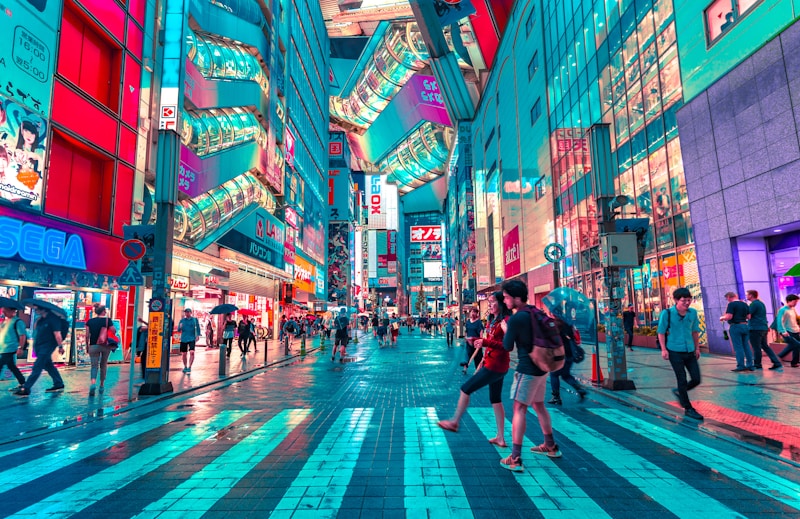
Experience Tokyo
Immerse yourself in the fascinating blend of ultra-modern and traditional.
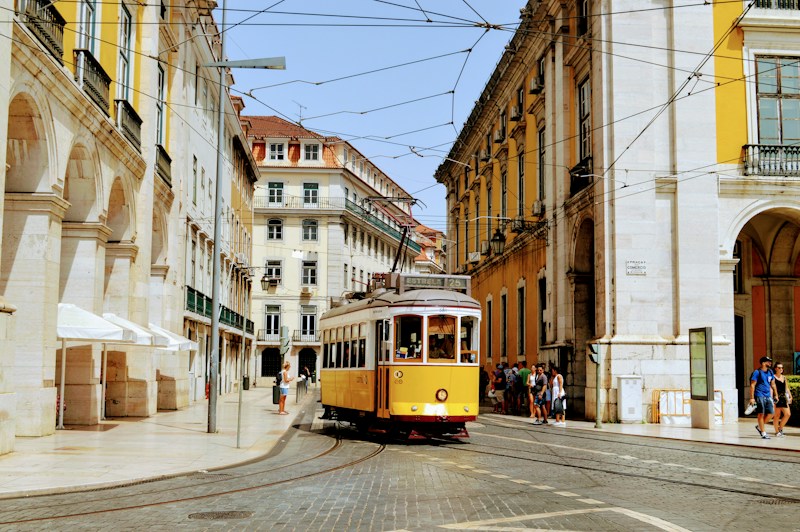
Ride Tram 28 Through Lisbon
Explore the charming hills and neighborhoods of Portugal's capital.
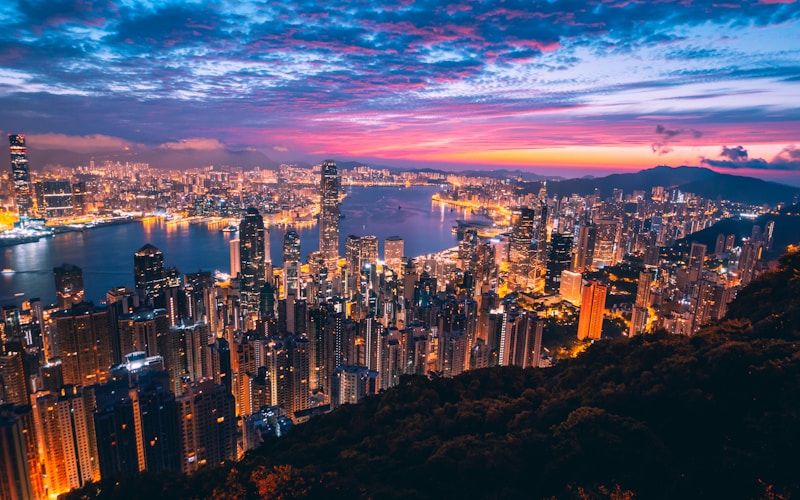
Experience Hong Kong
Explore the dazzling fusion of East and West on Victoria Harbour.
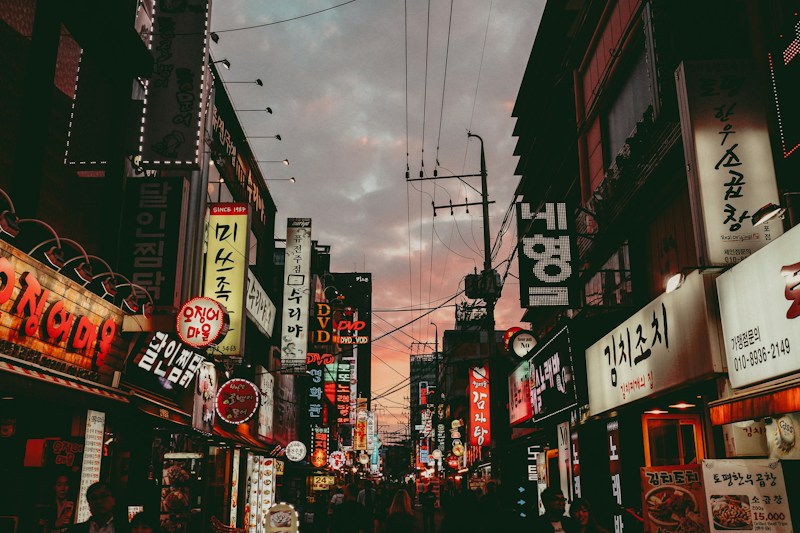
Discover Seoul
Experience K-culture, ancient palaces, and cutting-edge technology.