Ride Tram 28 Through Lisbon
From $800
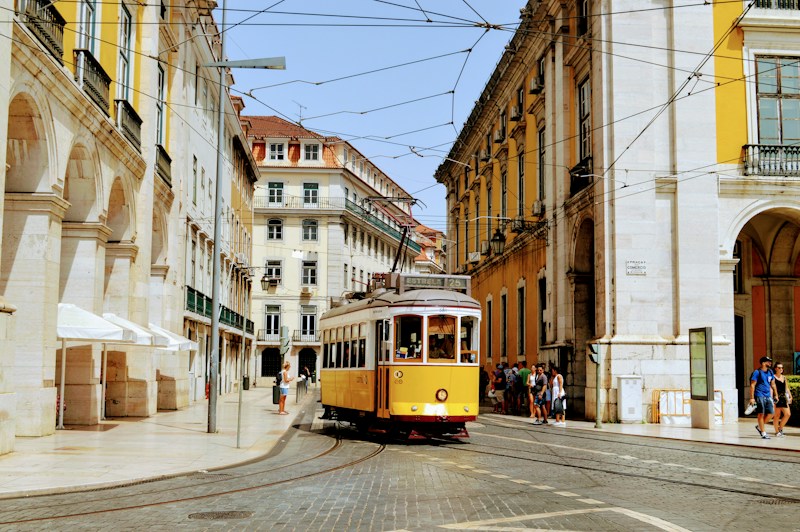
Ride Tram 28 Through Lisbon
Explore the charming hills and neighborhoods of Portugal's capital.
At a Glance
$800+
4-5 days
Portugal
March-May or September-October
About This Experience
Lisbon clings to seven hills above the Tagus estuary, its narrow streets and vintage trams, its pastel-colored buildings and tile-covered facades, its Atlantic light and melancholic fado music creating an atmosphere that visitors find immediately intoxicating but struggle to define. This is not a grand European capital in the Paris or London mold; Lisbon's appeal lies in its faded grandeur, its manageable scale, its neighborhoods that feel like villages, and a pace of life that suggests Portugal has never quite caught modernity's urgency—and is better for it. The hills structure everything. The famous Tram 28 weaves through Alfama's medieval streets and past Graça's miradouros (viewpoints), its vintage cars climbing grades that seem impossible for anything on wheels. But the hills also mean constant climbing for pedestrians, and Lisbon's funiculars and elevadores (the Santa Justa elevator provides its own attraction) developed specifically to ease the vertical city. Each neighborhood occupies its own hill or valley, creating distinct characters within walking distance of each other. Alfama, the oldest district, survived the 1755 earthquake that destroyed most of Lisbon, its Moorish street pattern unchanged since before the Christian reconquest. The neighborhood cascades down from the castle (Castelo de São Jorge) to the river, its narrow passages sheltering fado clubs, cramped restaurants, and laundry lines strung between buildings. Getting lost here is inevitable and recommended; the labyrinth eventually delivers you somewhere interesting. Baixa, the orderly grid reconstructed after the earthquake, provides contrast—Enlightenment rationality replacing medieval chaos. The broad Rua Augusta, the harbor-facing Praça do Comércio, and the connecting streets of shops and cafes show what rebuilding an entire city center in the 18th century could achieve. The Santa Justa elevator, linking Baixa to the upper neighborhoods, represents late 19th-century confidence in technology—and provides views that justify the tourist queues. Belém, westward along the river, concentrates Portugal's Age of Discovery heritage. The Tower of Belém, the Jerónimos Monastery with its Manueline extravagance, and the modern Monument to the Discoveries all celebrate the era when Portuguese explorers reached Brazil, Africa, India, and beyond. This is also where Pastéis de Belém has served Portugal's most famous pastries—flaky pastéis de nata (custard tarts)—since 1837, in quantities that suggest national obsession. Fado music provides Lisbon's emotional soundtrack. This uniquely Portuguese art form—melancholic songs about saudade (longing), fate, and the sea—emerged from Alfama's streets and continues in clubs where diners eat while performers sing. The experience can be tourist-oriented or intensely local depending on the venue; research helps find authentic spots where the music serves more than background entertainment. The late Amália Rodrigues, fado's greatest voice, achieved international fame while remaining deeply Portuguese. The tiles (azulejos) covering buildings throughout Lisbon represent a decorative tradition spanning centuries. From geometric patterns to elaborate pictorial scenes, these blue-and-white (and sometimes multicolored) ceramic tiles create visual richness that distinguishes Lisbon from other European capitals. The National Tile Museum provides historical context, but the real museum is the city itself—thousands of tiled facades making every walk a design tour. The food has evolved beyond bacalhau (salt cod, prepared 1,001 ways according to tradition) to embrace contemporary Portuguese cuisine that draws on both traditional techniques and international influences. The dining scene, particularly in areas like Príncipe Real and Cais do Sodré, has achieved recognition that draws food-focused travelers. The markets—particularly the Time Out Market at Mercado da Ribeira—provide accessible food-hall introductions to Portuguese flavors. Day trips extend the Lisbon experience. Sintra's fantasy palaces—the colorful Pena Palace, the mysterious Quinta da Regaleira with its initiatic well, the Moorish castle ruins—create a fairy-tale landscape 30 minutes from the city. Cascais and Estoril offer beach escapes along the coast. The wines of the Alentejo and the beaches of the Arrábida peninsula require longer excursions but reward the effort. Lisbon's affordability relative to Western European capitals has attracted both tourists and digital nomads in numbers that have begun to strain the city. Housing prices have risen, traditional neighborhoods have gentrified, and the authenticity that drew visitors has faced pressure from the visitors themselves. The tension between preservation and exploitation plays out in real time, the city changing faster than longtime residents expected. Yet Lisbon retains its character in ways that other tourist-heavy cities have lost. The light off the Tagus at sunset, the sound of fado drifting from a doorway, the taste of a perfectly made pastel de nata still warm from the oven, the view from any of a dozen miradouros—these experiences haven't been commodified away. Lisbon invites you to slow down, to drink coffee standing at a counter, to eat dinner at 10 PM, to embrace saudade without quite understanding it.
Cost Breakdown
Estimated costs can vary based on location, season, and personal choices.
Budget
Basic experience, economical choices
Mid-Range
Comfortable experience, quality choices
Luxury
Premium experience, best options
Difficulty & Requirements
Perfect for beginners. Minimal preparation needed.
Physical Requirements
Walking on hilly terrain
Tips & Advice
Watch out for pickpockets on Tram 28
Try pastéis de nata at Pastéis de Belém
Listen to live fado in Alfama
Day trip to Sintra's palaces
Sunset from a miradouro viewpoint is essential
Community Discussion
Ask questions, share tips, or read experiences from others.
View Discussions Start DiscussionShare This Experience
Quick Summary
- Category Travel
- Starting Cost $800
- Time Needed 4-5 days
- Best Season March-May or September-October
- Difficulty Easy
You Might Also Like

Experience Tokyo
Immerse yourself in the fascinating blend of ultra-modern and traditional.
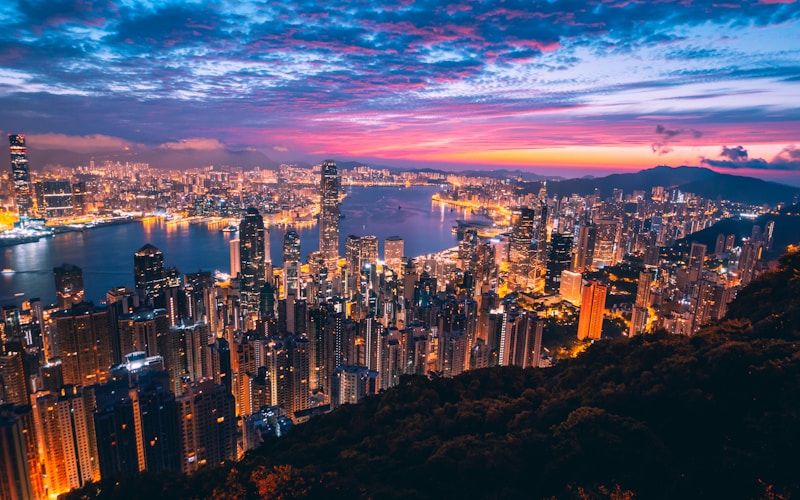
Experience Hong Kong
Explore the dazzling fusion of East and West on Victoria Harbour.
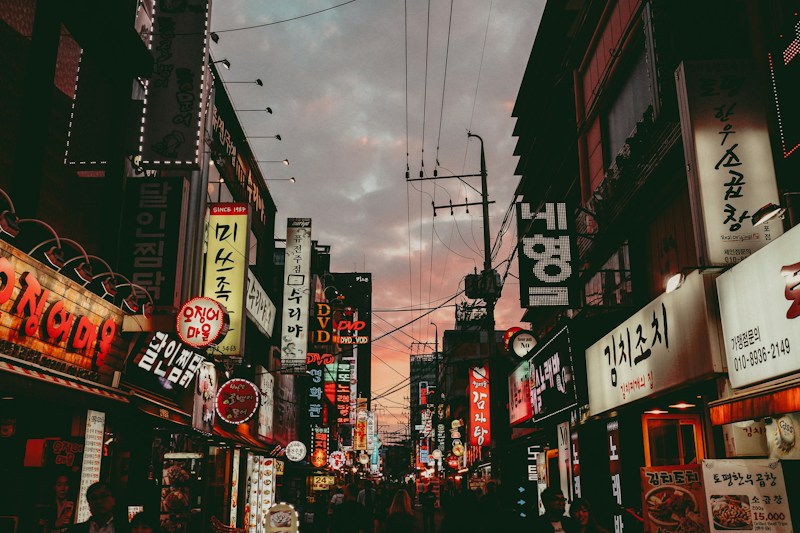
Discover Seoul
Experience K-culture, ancient palaces, and cutting-edge technology.
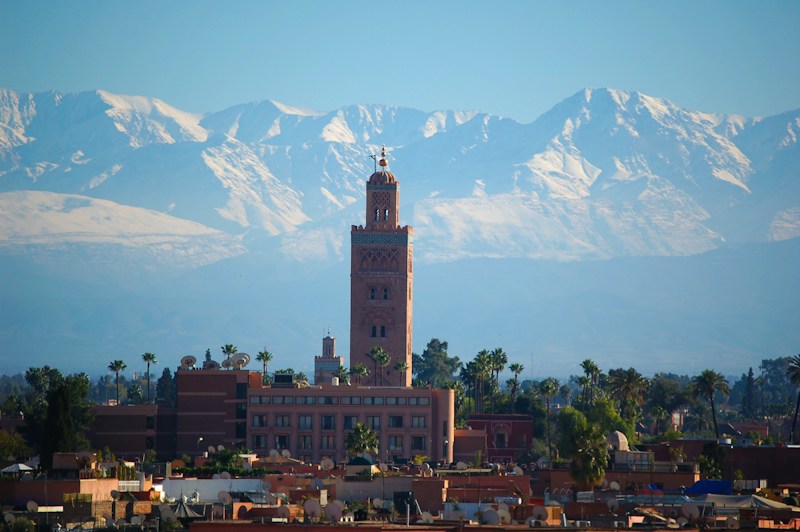
Explore Marrakech's Medina
Navigate the sensory maze of Morocco's most vibrant city.