Sleep in a Cave Hotel in Matera
From $800

Sleep in a Cave Hotel in Matera
Stay in ancient cave dwellings carved into Italian limestone cliffs.
At a Glance
$800+
2-4 days
Basilicata, Italy
April-June or September-October
About This Experience
Matera occupies a ravine in southern Italy where human habitation has continued essentially unbroken for 9,000 years, making this one of the world's oldest continuously inhabited settlements. The Sassi—two ancient districts of cave dwellings carved into the limestone gorge—represented such poverty and squalor by the 1950s that the Italian government forcibly relocated residents, deeming the conditions a "national disgrace." Today, that same disgrace has transformed into UNESCO World Heritage recognition, and the caves once abandoned in shame now house boutique hotels, restaurants, and private residences that count among Italy's most unusual accommodations. The geography created this extraordinary urbanism. The gravina (gorge) provided natural defense, and the tufa limestone—soft enough to carve when quarried, hardening on exposure to air—made excavation practical. Caves became homes, then churches, then monasteries, expanding and connecting over millennia into a three-dimensional honeycomb where structures built atop other structures, where streets become roofs become terraces, where the distinction between natural and constructed blurs completely. The Sassi Barisano and Sassi Caveoso cluster on opposite slopes of the ravine, their cave houses cascading down to the stream bed below. Walking through them—along paths that wind between buildings, through tunnels that connect levels, past rock churches with faded Byzantine frescoes—produces disorientation unlike typical tourist exploration. The normal urban coordinates of street and building don't apply; you move through a landscape that feels archaeological while remaining inhabited, ancient while hosting WiFi. The cave hotels (alberghi rupestri) offer the experience of sleeping in structures carved millennia ago, their modern amenities—climate control, plumbing, luxury linens—inserted into spaces that Neolithic residents would recognize. The contrast between the ancient rock walls and contemporary comfort creates cognitive dissonance that defines Matera's appeal. Breakfast on a terrace overlooking the ravine, the opposite Sassi golden in morning light, makes the premium pricing seem reasonable. The rock churches (chiese rupestri) scattered throughout the Sassi preserve religious art spanning centuries. Over 150 rock-cut churches exist in the broader Matera region, their interiors decorated with frescoes ranging from crude early Christian images to sophisticated Byzantine and Romanesque work. The Santa Maria de Idris church, the San Pietro Caveoso with its views over the ravine, the Cripta del Peccato Originale (Crypt of Original Sin) with its exceptional 8th-century paintings—each requires seeking out but rewards discovery. The modern renaissance began with European Capital of Culture designation for 2019, which brought investment, attention, and improved infrastructure to a city that had spent decades recovering from mass eviction. Now restaurants serve elevated versions of regional cuisine—bread baked in wood-fired ovens, local lamb and cheeses, the peperoni cruschi (crispy fried peppers) that appear everywhere. Wine bars occupy cave spaces. Boutiques sell local crafts alongside tourist kitsch. The broader Basilicata region remains one of Italy's least-visited, offering context that the Sassi alone cannot provide. The hill towns scattered across the region—including ghostly Craco, abandoned after earthquakes and landslides—preserve medieval and baroque architecture without tourist crowds. The coastline at Maratea provides beaches and a massive Christ statue rivaling Rio's. The Greek temples at nearby Metaponto remind visitors that this region was once Magna Graecia, the western extent of Hellenic civilization. Matera's film location history speaks to its visual impact. Mel Gibson's "The Passion of the Christ" used the Sassi as Jerusalem's streets. "Wonder Woman," "Ben-Hur" (2016), and James Bond's "No Time to Die" found their own uses for this otherworldly landscape. The biblical quality that drew Gibson's attention remains evident—it's easy to imagine these same streets two millennia ago, the scale and technology not so different from Roman-era Palestine. The visitor experience requires footwear suitable for uneven surfaces and willingness to wander without rigid itinerary. Maps help but don't fully capture the three-dimensional maze. Getting lost leads to discoveries that planned routes miss. The evening hours, when artificial lighting creates drama and restaurant terraces fill, reward those who stay overnight rather than day-tripping from Bari or Naples. Matera's transformation from national embarrassment to bucket-list destination reflects broader Italian patterns—historic centers abandoned as modernity beckoned, then rediscovered and elevated as authenticity became valuable. But nowhere else offers quite what Matera provides: the experience of inhabiting human antiquity, of sleeping in caves that have sheltered humans for nine millennia, of walking streets that predate written history. The discomfort that prompted forced relocation has become the appeal that draws visitors worldwide.
Cost Breakdown
Estimated costs can vary based on location, season, and personal choices.
Budget
Basic experience, economical choices
Mid-Range
Comfortable experience, quality choices
Luxury
Premium experience, best options
Difficulty & Requirements
Perfect for beginners. Minimal preparation needed.
Physical Requirements
Walking on steep, uneven streets
Tips & Advice
Book a cave hotel for the full experience
Walk the Sassi at night when lit up
Visit the rock churches with ancient frescoes
Day trip to Alberobello's trulli houses
It's much less crowded than Tuscany
Related Topics
Community Discussion
Ask questions, share tips, or read experiences from others.
View Discussions Start DiscussionShare This Experience
Quick Summary
- Category Travel
- Starting Cost $800
- Time Needed 2-4 days
- Best Season April-June or September-October
- Difficulty Easy
Explore More
You Might Also Like
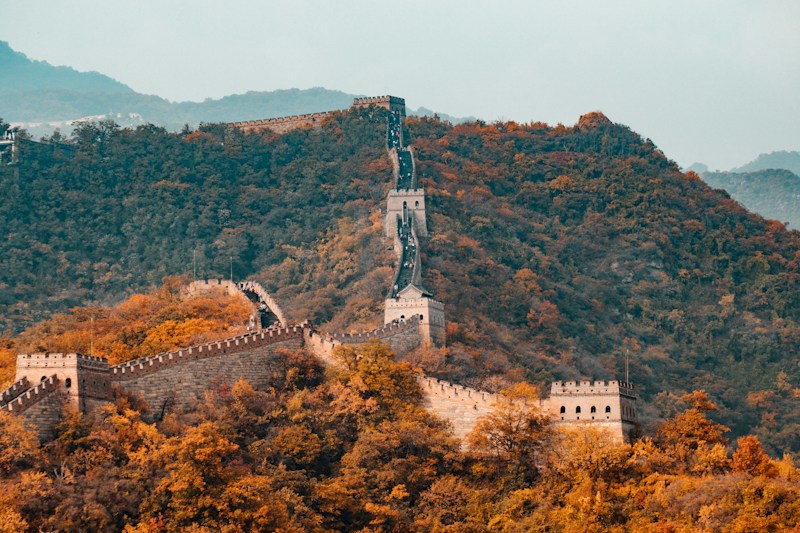
Walk the Great Wall of China
Trek along one of the world's most impressive architectural feats.
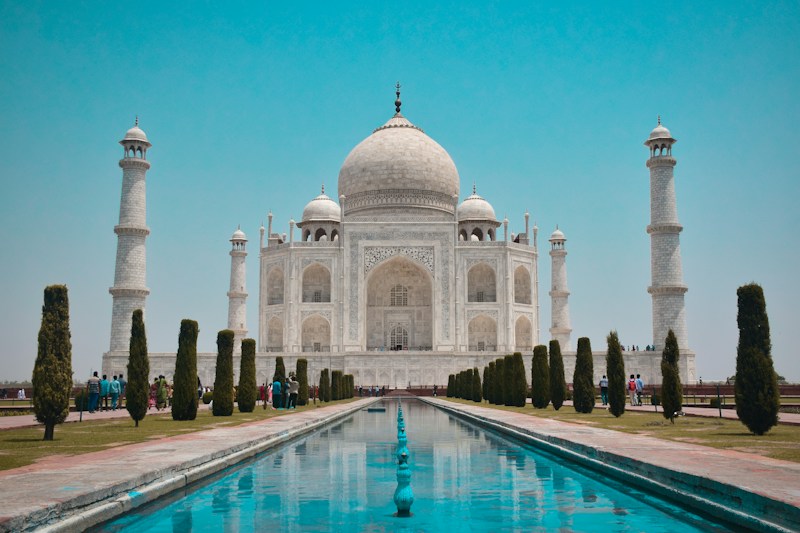
Visit the Taj Mahal
Witness the world's most beautiful monument to love at sunrise.
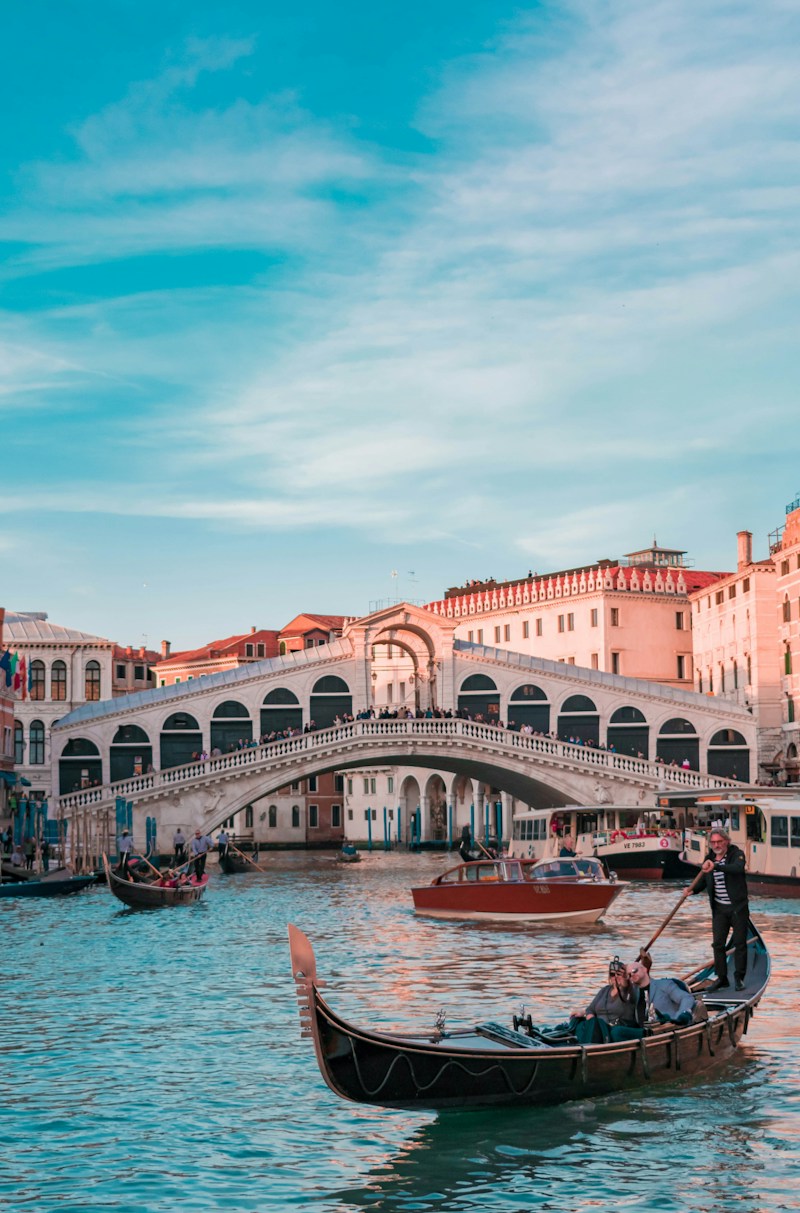
Get Lost in Venice
Wander the enchanting canals and hidden squares of the floating city.
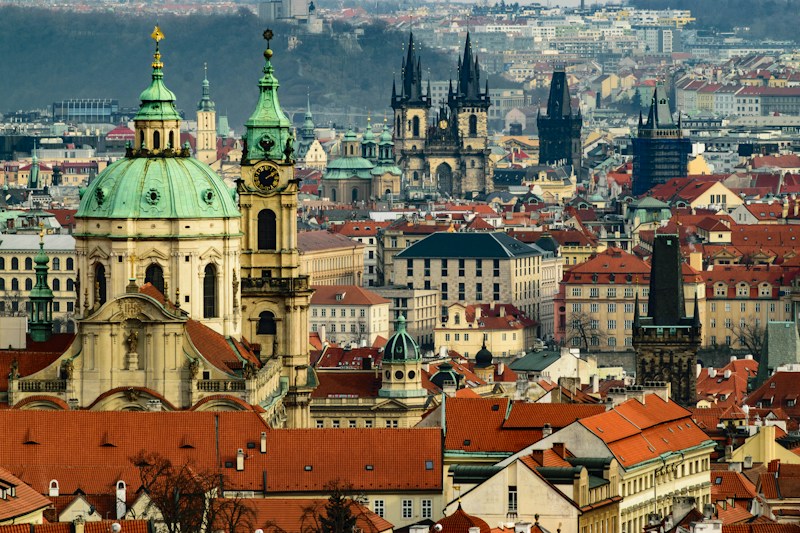
Wander Through Prague
Explore the fairytale spires and cobblestone streets of the Golden City.