Visit Petra, Jordan
From $800

Visit Petra, Jordan
Discover the ancient rose-red city carved into desert cliffs.
At a Glance
$800+
2-4 days
Jordan
March-May or September-November
About This Experience
Petra announces itself as you emerge from the narrow Siq canyon—that first glimpse of the Treasury, its rose-red facade glowing in the morning light, ranks among travel's most transcendent moments. But this initial revelation, iconic as it is, represents only the gateway to an ancient city that spreads across a mountain valley, its temples, tombs, and dwellings carved directly into sandstone cliffs over two thousand years ago. Petra isn't merely an archaeological site; it's an encounter with human ambition and ingenuity that challenges assumptions about what was possible in the ancient world. The Nabataeans, a nomadic Arab people who settled here around the 4th century BC, transformed this hidden valley into the capital of a trading empire. Their location proved strategically brilliant—Petra sat at the crossroads of caravan routes connecting Arabia, Egypt, and the Mediterranean, allowing the Nabataeans to control and tax the lucrative spice and incense trade. The wealth that flowed through these rose-colored canyons funded the monuments we see today, carved not as crude cave dwellings but as sophisticated architectural statements combining Hellenistic, Egyptian, and indigenous styles. The Siq itself sets the stage for what follows. This narrow gorge, formed by geological forces and further shaped by the Nabataeans, winds 1.2 kilometers between cliffs that rise 80 meters on either side. Ancient water channels carved into the walls hint at the sophisticated hydraulic engineering that allowed a city to thrive in this desert environment. The light shifts as you walk, filtered through the narrow gap above, and the anticipation builds with each turn until suddenly the Treasury appears, framed by the canyon walls in perfect theatrical presentation. The Treasury (Al-Khazneh) serves as Petra's calling card, but the reality extends far beyond this single monument. The Street of Facades reveals dozens of carved tombs ascending the cliff face. The Roman-influenced colonnaded street speaks to Petra's later incorporation into the Empire. The Monastery (Ad-Deir), larger than the Treasury but requiring an 800-step climb to reach, rewards the effort with a facade 45 meters wide carved into the mountain's peak. The Royal Tombs, the Great Temple, the Byzantine church with its stunning floor mosaics—Petra reveals itself gradually, requiring multiple days to appreciate properly. The city's engineering achievements deserve particular attention. The Nabataeans mastered desert hydrology, creating dams, channels, and cisterns that captured flash flood waters and delivered them throughout the city. At its peak, Petra supported perhaps 30,000 residents in an environment that naturally supported only a tiny fraction of that population. The water system enabled gardens and fountains, turning a hostile canyon into an oasis of civilization. The sandstone itself contributes to Petra's magic. The rock displays natural color variations—bands of rose, salmon, orange, yellow, and purple swirl through the cliffs, creating facades that shift with the light. Early morning brings warm golden tones; midday creates stark contrasts; late afternoon bathes everything in deep rose. Photographing Petra means accepting that images never quite capture what the eye sees, that the interplay of light, color, and scale resists digital reproduction. Petra by Night offers a different experience entirely. Three evenings per week, visitors walk the Siq illuminated only by 1,500 candles placed along the path, emerging before a Treasury glowing in candlelight while Bedouin musicians play traditional instruments. The experience is touristic, yes, but also genuinely atmospheric—the candlelight softens the monument, the darkness heightens the mystery, and for a few moments you can imagine approaching this city as ancient traders did, by torch and starlight. The Bedouin presence remains central to modern Petra. The Bdoul tribe lived in the caves here until the 1980s, when they were relocated to a nearby village to protect the monuments. Today, their descendants operate tea stalls, souvenir shops, and donkey services throughout the site. Their knowledge of hidden corners, alternative paths, and the best times to visit specific monuments can transform a standard visit into genuine discovery. Time at Petra matters. Day-trippers from Amman or Aqaba see the Treasury, walk partway down the Street of Facades, and declare they've "done" Petra. But the site sprawls across 60 square kilometers, and meaningful exploration requires multiple days. The hike to the High Place of Sacrifice offers commanding views and an alternative descent through a garden canyon. The trail beyond the Monastery leads to spectacular viewpoints over Wadi Araba. The rarely visited ruins on the opposite hillside provide new perspectives on the main sites. The physical demands are real. Petra involves extensive walking on uneven surfaces, often in intense heat. The climb to the Monastery—45 minutes of steady ascent—tests fitness levels. Dehydration poses genuine risks, and shade is limited. Those who arrive prepared—comfortable shoes, plenty of water, sun protection, and realistic expectations—enjoy Petra far more than those who underestimate its scale. Petra's "rediscovery" by Swiss explorer Johann Ludwig Burckhardt in 1812 introduced the Western world to a site that had never been lost to the local population. The Nabataean empire fell to Rome in 106 AD, a major earthquake devastated the city in 363 AD, and gradual decline followed, but the site was never entirely forgotten. Today, Petra stands as Jordan's most visited attraction and a UNESCO World Heritage Site, its preservation supported by tourism revenues while facing ongoing challenges from flash floods, erosion, and the sheer number of visitors. Standing before the Treasury as the light changes, watching the sandstone shift from rose to gold to deep crimson, you understand why Petra captivates everyone who visits. This isn't just impressive ancient construction—it's architecture that seems to grow organically from the living rock, colored by minerals deposited over millions of years, shaped by human hands into monuments that have endured millennia. Some places are worth the journey; Petra is worth rearranging your life to visit.
Cost Breakdown
Estimated costs can vary based on location, season, and personal choices.
Budget
Basic experience, economical choices
Mid-Range
Comfortable experience, quality choices
Luxury
Premium experience, best options
Difficulty & Requirements
Requires some preparation, skills, or resources.
Physical Requirements
Good fitness - extensive walking on uneven terrain
Prerequisites
- Comfortable walking shoes
- Sun protection
Tips & Advice
Arrive at opening time (6am) to avoid crowds
Book Petra by Night for a magical experience
Hike to the Monastery for the best views
Bring lots of water
Allow 2 full days minimum
Related Topics
Community Discussion
Ask questions, share tips, or read experiences from others.
View Discussions Start DiscussionShare This Experience
Quick Summary
- Category Travel
- Starting Cost $800
- Time Needed 2-4 days
- Best Season March-May or September-November
- Difficulty Challenging
You Might Also Like
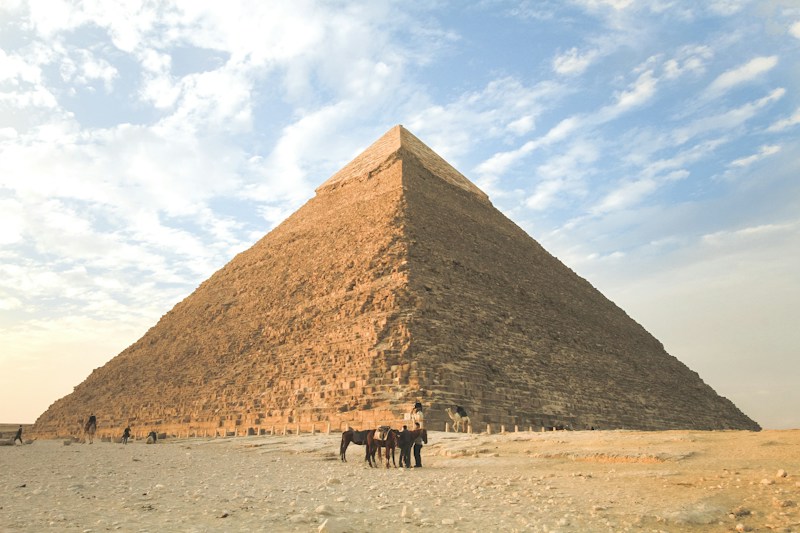
See the Pyramids of Giza
Stand before the last remaining Wonder of the Ancient World.
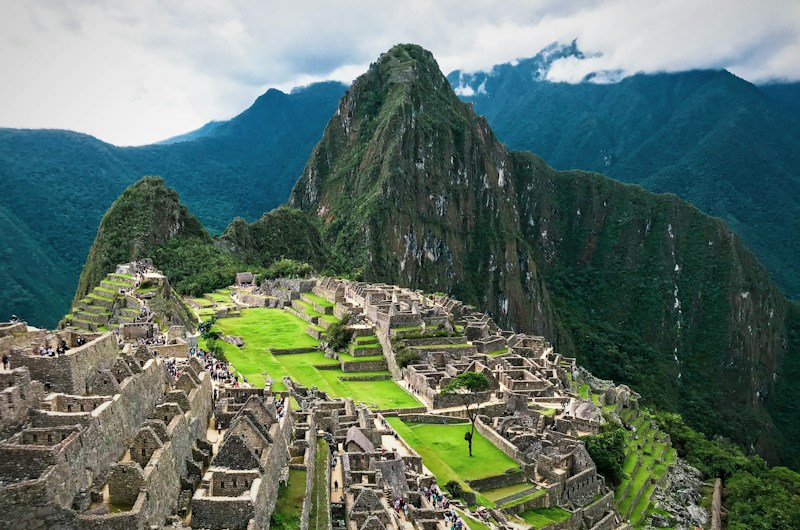
Visit Machu Picchu
Explore the ancient Incan citadel perched high in the Andes Mountains.
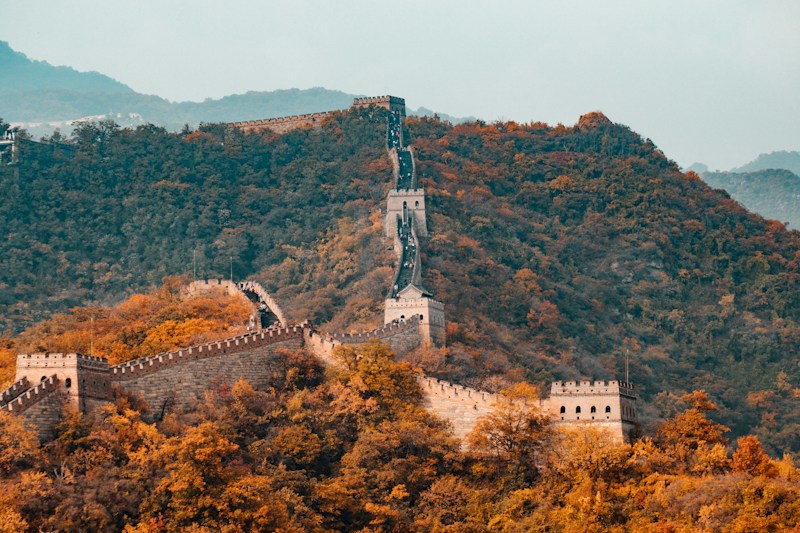
Walk the Great Wall of China
Trek along one of the world's most impressive architectural feats.
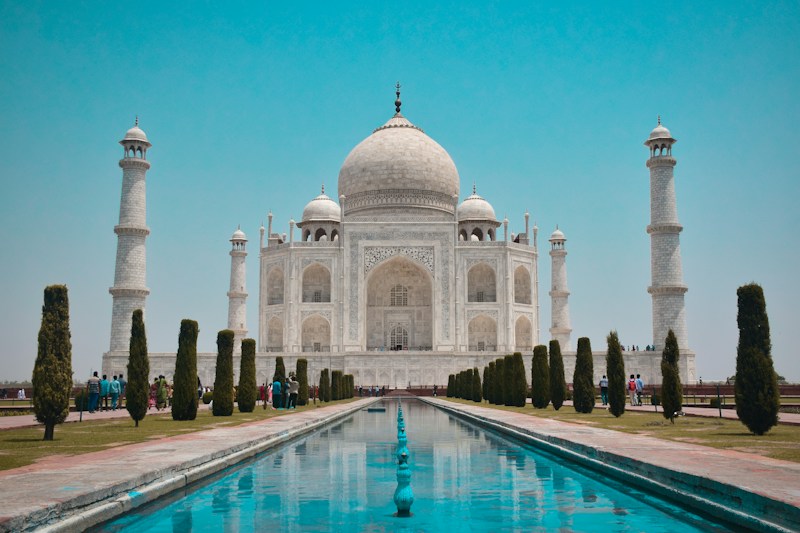
Visit the Taj Mahal
Witness the world's most beautiful monument to love at sunrise.