Visit Machu Picchu
From $800
Visit Machu Picchu
Explore the ancient Incan citadel perched high in the Andes Mountains.
At a Glance
$800+
3-5 days
Cusco Region, Peru
April to October (dry season)
About This Experience
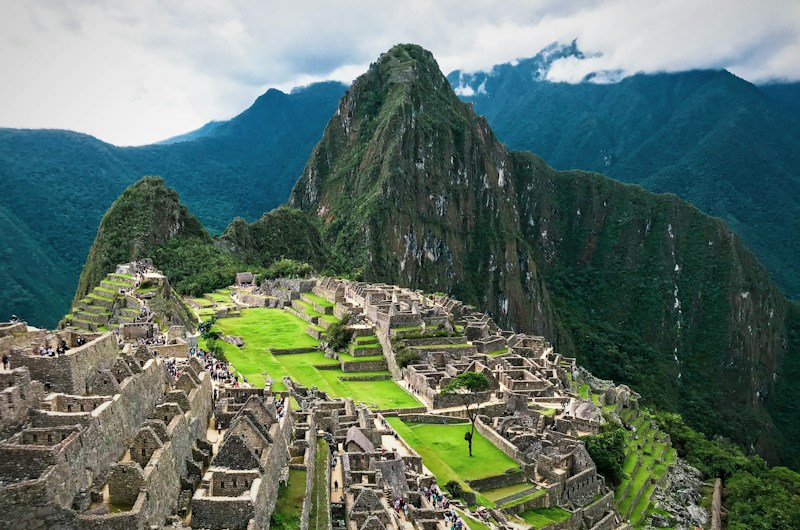
Machu Picchu rises from the cloud forests of the Peruvian Andes like a dream carved in stone—a testament to Incan ingenuity that has captivated the world since its "discovery" by American historian Hiram Bingham in 1911. Though the local population had always known of its existence, Bingham's expedition introduced this extraordinary site to the global imagination, where it has remained ever since as one of humanity's most awe-inspiring achievements. Built around 1450 during the reign of Inca Pachacuti, Machu Picchu served as a royal estate and sacred religious site for Inca nobility. The citadel was abandoned roughly a century later during the Spanish Conquest, though the conquistadors never found it—its remote location high in the mountains kept it hidden from those who would have surely destroyed it. This isolation, while making access challenging for modern visitors, preserved the site remarkably intact. The journey to Machu Picchu is itself part of the experience. Most travelers begin in Cusco, the former Inca capital, where spending two or three days acclimatizing to the 3,400-meter altitude is essential. The body needs time to adjust to the thin air, and rushing this process can result in altitude sickness that ruins your experience. Use this time to explore Cusco's own remarkable Inca and colonial heritage—the massive stones of Sacsayhuamán, the artistic neighborhood of San Blas, and the vibrant markets. From Cusco, you have choices. The classic Inca Trail is a four-day trek through stunning Andean scenery, following the ancient paths that connected the Inca empire. Permits are strictly limited and must be booked months in advance—this is not a hike you can decide to do spontaneously. The trail passes through diverse ecosystems, from high alpine passes to cloud forest, culminating in your arrival at Machu Picchu through the Sun Gate at dawn. For those seeking this authentic approach, no other arrival compares. Alternative routes like the Salkantay Trek offer similarly spectacular scenery without the permit lottery. The train from Ollantaytambo to Aguas Calientes provides a more accessible option, winding through the Sacred Valley as mountains tower overhead. There's no shame in taking the train—the destination matters more than the means of arrival. Arriving at Machu Picchu itself is a moment that consistently exceeds expectations. The terraced agricultural platforms cascade down the mountainside, each stone perfectly fitted without mortar, defying both gravity and time. The principal buildings—the Temple of the Sun, the Room of the Three Windows, the Intihuatana stone—reveal sophisticated understanding of astronomy and sacred geometry. The Incas aligned their structures with solar and stellar events, creating a cosmic calendar in stone. The sheer engineering achievement deserves contemplation. Every stone was shaped with harder stones and bronze tools, then transported without wheels or draft animals. The sophisticated drainage system still functions perfectly after five centuries, preventing the tropical rains from destroying the structures. The agricultural terraces created microclimates for growing diverse crops at this high altitude. This was not primitive construction—it was sophisticated engineering by a civilization that thought in terms of centuries. Beyond the main citadel, Huayna Picchu—the dramatic peak that looms in every classic photograph—offers a challenging climb with vertigo-inducing views. Permits are even more limited than for Machu Picchu itself, and the narrow trail along cliff edges requires nerve. The alternative climb to Machu Picchu Mountain provides similarly spectacular panoramas with a less terrifying ascent. Either option adds hours to your visit but reveals perspectives impossible from the citadel below. The early morning hours offer the best experience. Arriving when the gates open at 6 AM, you'll watch the sunrise illuminate the ruins as mist swirls through the valley below. The crowds build through the morning, and by midday the site can feel overwhelmed. Afternoon visits offer different light and thinning crowds, though energy may be flagging by then. What makes Machu Picchu transcend mere archaeological interest is its setting. The citadel sits on a saddle between two peaks, with the Urubamba River curving around it thousands of feet below. Cloud forests cloak the surrounding mountains, frequently sending tendrils of mist through the ruins. This is a place where human ambition meets natural grandeur on equal terms—neither diminishing the other. The site raises questions that may never be answered. Why was it abandoned? What rituals took place at the Intihuatana stone? How did they move those massive stones up these precipitous slopes? Standing among these ruins, you feel the presence of people who lived, worshipped, and eventually departed, leaving behind a monument that continues to inspire wonder. Machu Picchu is more than a destination—it's a meditation on human achievement and the passage of time.
Cost Breakdown
Estimated costs can vary based on location, season, and personal choices.
Budget
Basic experience, economical choices
Mid-Range
Comfortable experience, quality choices
Luxury
Premium experience, best options
Difficulty & Requirements
Requires some preparation, skills, or resources.
Physical Requirements
Moderate fitness for altitude (2,430m) and walking
Prerequisites
- Altitude acclimatization (spend 2 days in Cusco first)
- Book permits months in advance
Tips & Advice
Book Inca Trail permits 6 months ahead
Arrive at sunrise for fewer crowds
Bring layers - weather changes quickly
Hire a guide for historical context
Stay in Aguas Calientes the night before
Related Topics
Community Discussion
Ask questions, share tips, or read experiences from others.
View Discussions Start DiscussionShare This Experience
Quick Summary
- Category Travel
- Starting Cost $800
- Time Needed 3-5 days
- Best Season April to October (dry season)
- Difficulty Challenging
Explore More
You Might Also Like
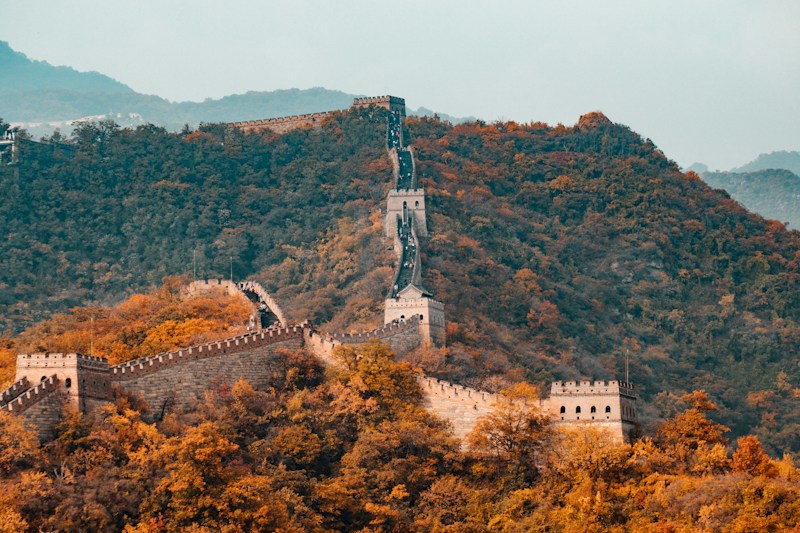
Walk the Great Wall of China
Trek along one of the world's most impressive architectural feats.

Visit Petra, Jordan
Discover the ancient rose-red city carved into desert cliffs.
Trek Through Patagonia
Explore the wild, windswept landscapes at the end of the world.

Explore Angkor Wat
Discover the ancient temples of the Khmer Empire in the Cambodian jungle.