Summit a 14,000ft Peak
From $50
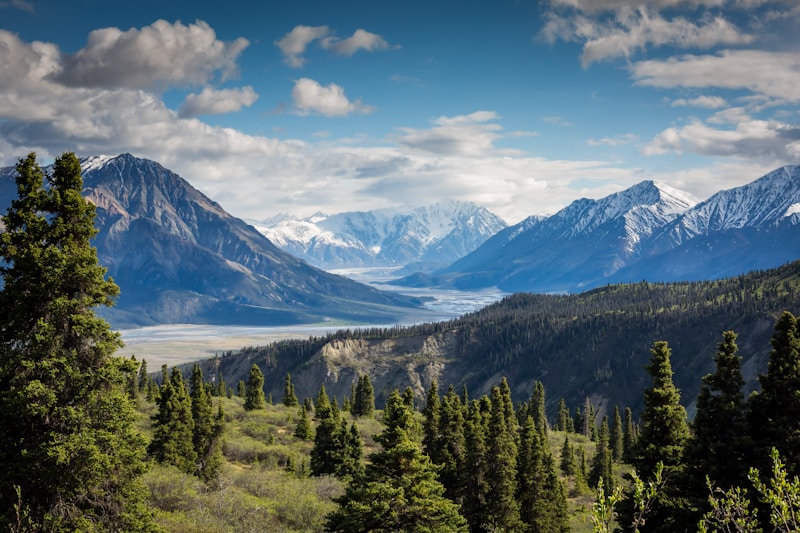
Summit a 14,000ft Peak
Stand atop a "fourteener" - a mountain over 14,000 feet.
At a Glance
$50+
1-2 days
Colorado, California, Washington, Alaska
June to September
About This Experience
Standing on a summit above 14,000 feet produces a satisfaction that few other achievements can match. You've climbed through altitude where the air contains 40% less oxygen than sea level, where afternoon storms can produce lightning that kills, where the terrain often demands hands as well as feet. The reward is a perspective available only to those who earn it—ridgelines extending to distant horizons, clouds at eye level or below, the visceral proof that your body carried you to a place most people will only see in photographs. Colorado houses 58 peaks above 14,000 feet—"fourteeners" in local parlance—making the state the center of American high-altitude hiking. California adds a dozen more, including Mount Whitney at 14,505 feet, the highest point in the contiguous United States. Washington offers a handful of volcanic peaks. Alaska provides the serious altitude for those seeking extremes. The variety ensures that fourteener climbing can be anything from a challenging day hike to a serious mountaineering expedition requiring technical skills and multiple days. The accessible fourteeners draw beginners into the mountains. Colorado's Mount Bierstadt and Grays Peak follow established trails requiring no technical skills, just fitness and preparation. These "Class 1" and "Class 2" routes involve hiking steep terrain with occasional scrambling over talus and scree. A fit hiker can summit and return in 6-10 hours, earning the accomplishment of their first fourteener while learning what high-altitude effort actually feels like—the labored breathing, the frequent rest stops, the mental push through fatigue. The altitude presents the primary challenge regardless of technical difficulty. At 14,000 feet, your body runs on approximately 60% of the oxygen available at sea level. Without acclimatization—spending days at progressively higher elevations before attempting summits—symptoms of acute mountain sickness (headache, nausea, fatigue, disorientation) can transform manageable hikes into dangerous situations. The standard advice involves sleeping at altitude for at least one night, starting hydration days before the climb, and ascending slowly enough for your body to adapt. The weather demands respect that flatland hikers may not understand. Afternoon thunderstorms during Colorado's summer hiking season are not merely possible but probable—the sun heats the mountains, moisture rises, and clouds build with predictable rhythm. Being above tree line when lightning strikes means becoming the highest point on a vast exposed surface. The solution involves alpine starts: headlamps on, hiking before dawn, summit by noon, back below tree line before the afternoon build-up. This schedule shapes fourteener culture, with parking lots filling before sunrise. The progression through fourteener difficulty follows a classification system. Class 1 routes are maintained trails. Class 2 adds off-trail travel and scrambling. Class 3 involves hand-over-hand scrambling where falls could be fatal. Class 4 requires roped climbing with protection. Class 5 is technical rock climbing. Many fourteeners offer routes at multiple difficulty levels—the standard route up a peak might be Class 2 while other approaches involve serious technical climbing. Choosing routes appropriate to your skills and experience represents essential preparation. The culture surrounding fourteener bagging ranges from casual (knock off a few during Colorado vacation) to obsessive (complete all 58 in a year, or a month, or faster). Some people spend decades gradually working through the list; others structure their lives around systematic completion. The community shares information freely—trip reports, conditions updates, trailhead directions—through websites and forums that have replaced the guidebooks of earlier eras. The rewards extend beyond the summit itself. The high alpine environment reveals its own ecology—tundra flowers blooming for brief weeks, marmots whistling from rock piles, pikas gathering grass for winter stores. The dawn light on distant peaks, the solitude of trails before other hikers arrive, the camaraderie of shared effort—these experiences accumulate into something larger than a checklist of peaks climbed. The first fourteener summit creates possibility. If you can do one, you can do more. The fitness builds, the altitude tolerance improves, the mountain judgment develops. What begins as a bucket-list item often becomes a practice, then a passion, then a defining element of how you spend your time and energy.
Cost Breakdown
Estimated costs can vary based on location, season, and personal choices.
Budget
Basic experience, economical choices
Mid-Range
Comfortable experience, quality choices
Luxury
Premium experience, best options
Difficulty & Requirements
Challenging. Significant preparation and commitment required.
Physical Requirements
Excellent cardiovascular fitness
Prerequisites
- Altitude acclimatization
- Hiking experience
- Proper gear
Tips & Advice
Start before dawn to avoid afternoon storms
Grays and Torreys peaks are good beginner 14ers
Turn back if weather deteriorates
Bring layers - summit temperatures are brutal
Watch for signs of altitude sickness
Related Topics
Community Discussion
Ask questions, share tips, or read experiences from others.
View Discussions Start DiscussionShare This Experience
Quick Summary
- Category Adventure
- Starting Cost $50
- Time Needed 1-2 days
- Best Season June to September
- Difficulty Difficult
You Might Also Like

Go Paragliding
Soar like a bird with just a parachute and the wind.
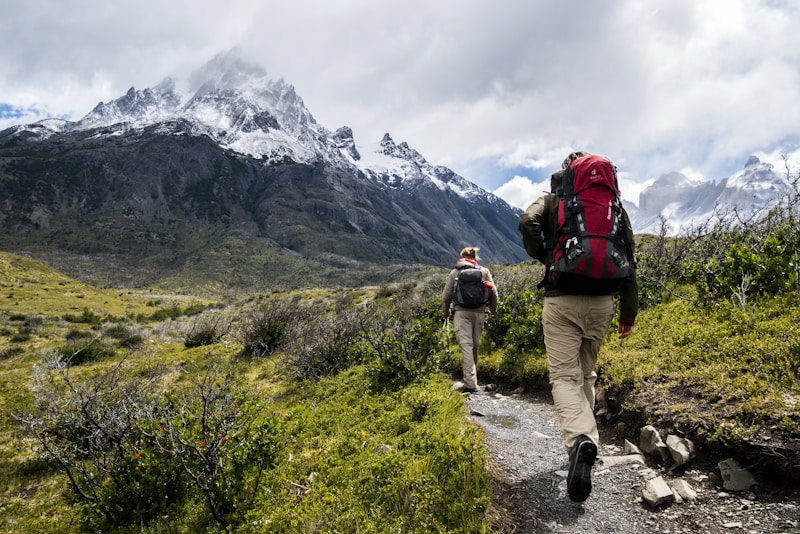
Climb a Via Ferrata
Traverse cliff faces on iron rungs and cables.

Hike an Active Volcano
Stand on the rim of an active volcanic crater.
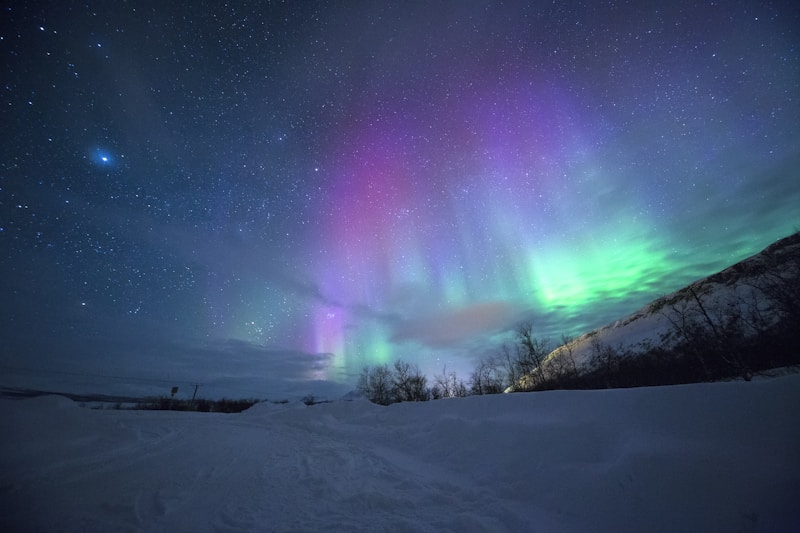
Hike Under the Midnight Sun
Trek through endless daylight in the Arctic summer.