Hike an Active Volcano
From $50

Hike an Active Volcano
Stand on the rim of an active volcanic crater.
At a Glance
$50+
4-12 hours
Hawaii, Guatemala, Indonesia, Iceland
Varies by volcano
About This Experience
Standing on the rim of an active volcano connects you to geological forces that shaped the planet long before life existed. Below your feet, magma churns at temperatures that would vaporize human tissue instantly; around you, sulfurous gases seep from vents that remind you the mountain is not dormant but merely quiet at this particular moment. The landscapes at volcanic summits resemble science fiction more than anything typically found on Earth—black lava fields, colored by minerals in yellows and reds, steaming fissures, and occasional views into molten cores where rock itself behaves as liquid. The experience provides visceral proof that our planet remains geologically active, that the ground beneath us is not permanent. The accessible volcanoes allow casual hikers to experience this without technical mountaineering skills. Pacaya in Guatemala provides walks to lava flows sometimes close enough to feel the heat, with views across other volcanoes in the range. Villarrica in Chile offers summit hikes with views into a molten lava lake—one of the few places on Earth where you can actually see liquid rock. Yasur in Vanuatu erupts almost continuously, allowing viewing of actual explosions from relatively close positions. Mount Etna in Sicily, one of the world's most active volcanoes, provides various approaches from cable car tourism to genuine summit climbs. Each volcano offers distinct experiences shaped by its specific activity patterns and access infrastructure. The Hawaiian volcanoes provide the most accessible American volcanic experience. Kilauea, one of the world's most active volcanoes, has created much of the Big Island's landscape through continuous eruption since 1983. While lava viewing depends entirely on current activity levels and safety considerations, the Hawaii Volcanoes National Park offers crater viewing, steam vents, lava tubes, and hiking across vast lava fields that make the volcanic forces tangible. The 2018 eruption created entirely new landscapes; the 2020 lava lake reformation in Halemaumau crater restored one of the park's signature features. The safety considerations require honest assessment. Active volcanoes can and do kill people—through eruptions that arrive faster than warnings, through toxic gases that collect in depressions, through lava that breaks through crusts that seemed solid. The famous deaths at Krakatoa, Mount St. Helens, and Nyiragongo underscore that these are genuinely dangerous environments. Visiting with licensed guides, heeding warnings and restricted areas, and understanding that conditions can change rapidly represents not excessive caution but basic responsibility. The thrill of proximity to volcanic activity must be balanced against the reality of the forces involved. The guided options provide the safest approaches to the best experiences. Local operators know the current activity levels, the safe approaches, the times when viewing is optimal. They carry gas masks, monitor seismic activity, and make judgment calls about when conditions make visits inadvisable. The cost of guided access (often significant at premium sites) purchases not just logistics but expertise that self-guided visitors cannot replicate. For volcanoes like Erta Ale in Ethiopia, where access requires armed escorts through disputed territory plus technical knowledge of the specific conditions, organized expeditions represent the only realistic option. The physical demands vary enormously by volcano. Some—like Kilauea's crater rim drives and short walks—require almost no fitness. Others—like the summit of Villarrica or the approach to Erta Ale—involve serious hiking at altitude or in extreme heat. The combination of altitude, volcanic gases, and often hot conditions makes volcanic climbing more demanding than comparable elevation gains elsewhere. Preparation should account for both the hiking demands and the environmental challenges. The experience transcends simple geology education. Standing above molten rock, watching Earth create new surface, smelling the sulfur that seeps from the planet's depths—these sensations connect to something primal. Volcanoes feature in mythologies worldwide because humans have always recognized their power and mystery. Modern understanding of plate tectonics explains how volcanoes form but doesn't diminish the awe of experiencing them directly. The mountain that might erupt, that has erupted, that is actively demonstrating the planet's internal heat—that's not a fact learned from textbooks but a reality felt in your feet and lungs.
Cost Breakdown
Estimated costs can vary based on location, season, and personal choices.
Budget
Basic experience, economical choices
Mid-Range
Comfortable experience, quality choices
Luxury
Premium experience, best options
Difficulty & Requirements
Requires some preparation, skills, or resources.
Physical Requirements
Good fitness, hiking ability
Prerequisites
- No respiratory conditions (volcanic gases)
Tips & Advice
Pacaya (Guatemala) and Villarrica (Chile) are accessible
Always go with licensed guides on active volcanoes
Bring a mask for volcanic gases
Kilauea in Hawaii offers safe lava viewing
Conditions change - check before going
Community Discussion
Ask questions, share tips, or read experiences from others.
View Discussions Start DiscussionShare This Experience
Quick Summary
- Category Adventure
- Starting Cost $50
- Time Needed 4-12 hours
- Best Season Varies by volcano
- Difficulty Challenging
Explore More
You Might Also Like
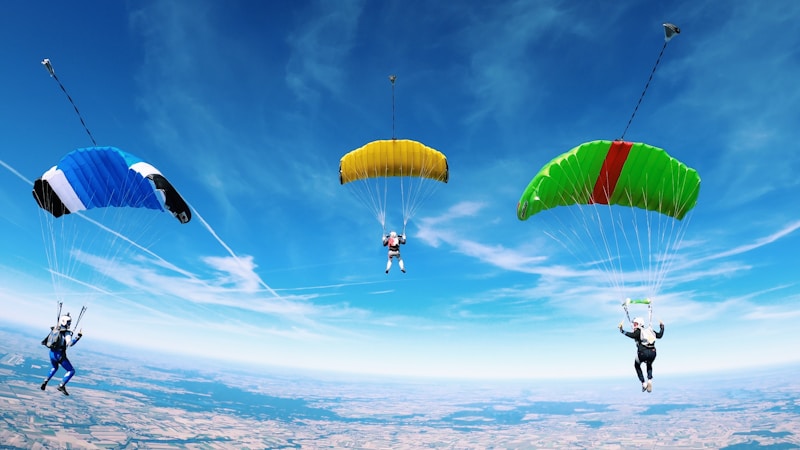
Go Skydiving
Experience the ultimate adrenaline rush by jumping from a plane.

Bungee Jump
Take the leap and freefall before bouncing back.
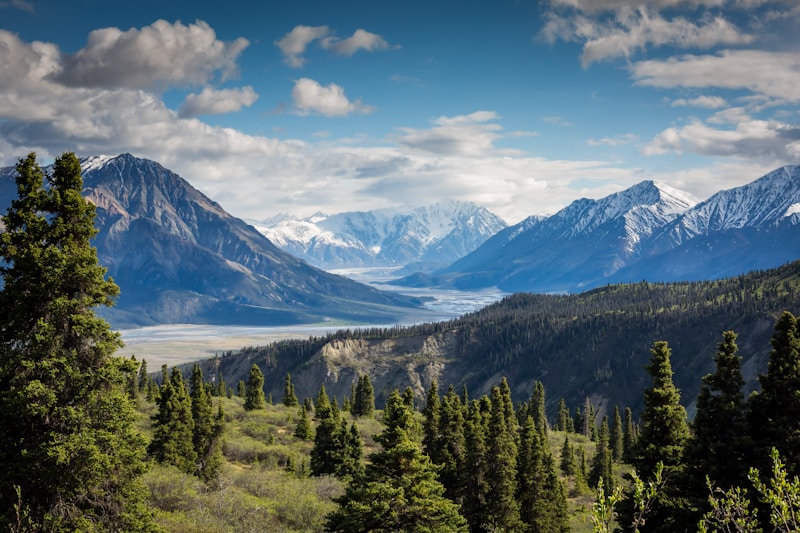
Summit a 14,000ft Peak
Stand atop a "fourteener" - a mountain over 14,000 feet.
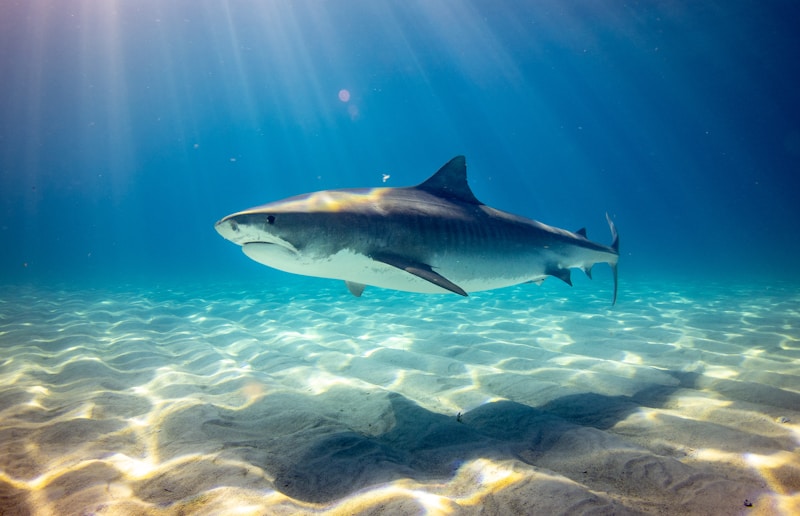
Cage Dive with Great White Sharks
Come face-to-face with the ocean's apex predator.