Cruise the Galápagos Islands
From $3.5k
Cruise the Galápagos Islands
Walk among fearless wildlife that inspired Darwin's theory of evolution.
At a Glance
$3.5k+
7-14 days
Ecuador
Year-round, each season has highlights
About This Experience
The Galápagos Islands occupy a unique position in both natural history and the human imagination—the volcanic archipelago where Charles Darwin's observations of finch beaks and tortoise shells helped crystallize the theory of evolution by natural selection. But beyond their scientific significance, the Galápagos offer something increasingly rare in the modern world: wildlife encounters where the animals show no fear of humans, where you can sit on a beach as sea lions nurse their pups meters away, where blue-footed boobies perform their mating dances oblivious to watching cameras, where the ecological dynamics that Darwin observed continue largely unchanged. The islands' isolation, 1,000 kilometers from the South American mainland, created this peculiar wildlife. Animals that arrived—by swimming, flying, or floating on vegetation—evolved over millions of years without mammalian predators, which means without the fear of larger creatures that characterizes wildlife almost everywhere else. This tameness, combined with strict national park regulations that limit visitor numbers and behaviors, produces an experience more intimate than any safari or wildlife documentary can convey. The giant tortoises that gave the islands their name (galápago means "saddle" in Spanish, referring to the shape of certain tortoise shells) remain the most iconic residents. The Charles Darwin Research Station on Santa Cruz allows close observation of tortoises from hatchlings to massive adults that can live over 100 years. On Isabela and Santa Cruz highlands, wild tortoises roam grasslands, their patient movements and ancient faces embodying the deep time that shaped these islands. But the tortoises share the archipelago with an extraordinary diversity of endemic species. Marine iguanas, the world's only ocean-going lizards, sprawl on volcanic rocks between forays into the sea to feed on algae. Land iguanas, distinct species on different islands, demonstrate the adaptive radiation that fascinated Darwin. Sea lions populate beaches and docks, their pups playing in shallows while bulls patrol territories. Galápagos penguins—the only penguins north of the equator—survive in these tropical waters thanks to cold currents from Antarctica. The birdlife attracts ornithologists and casual observers alike. Blue-footed boobies, whose name derives from the Spanish word for "silly fool," perform high-stepping courtship dances that display their remarkable feet. Red-footed boobies, the only species that nests in trees, cluster in specific islands. Frigatebirds inflate scarlet throat pouches into balloon-like displays. The finches that inspired Darwin's thinking display the beak variations that revealed evolution's mechanism—different species with beaks adapted to different food sources, all descended from a common ancestor. Experiencing the Galápagos typically requires choosing between cruise-based and land-based itineraries. Small expedition ships (the largest vessels allowed carry only 100 passengers) island-hop over five to fourteen days, offering the most comprehensive wildlife access with multiple daily excursions led by certified naturalist guides. Land-based visits, staying in hotels on the inhabited islands of Santa Cruz, San Cristóbal, and Isabela, cost less but limit access to more distant islands and require daily boat transfers. The snorkeling alone justifies the journey. Swimming with sea lions who treat you as playmates, not prey, ranks among the world's most joyful wildlife experiences. Sea turtles glide past indifferent to your presence. Schools of tropical fish swarm the shallows. Marine iguanas feed on algae-covered rocks while you float overhead. At certain sites, Galápagos sharks, white-tipped reef sharks, and hammerheads patrol the waters—encounters that sound terrifying but prove docile in practice. The cost of visiting is substantial and unavoidable. The national park entrance fee, required of all visitors, funds conservation efforts. Cruise prices reflect the logistics of operating in a remote, regulated environment. Flights from Ecuador's mainland are the only access. But the fees serve a purpose: limiting tourism pressure on a fragile ecosystem that cannot sustain unlimited visitors. The Galápagos demonstrate that effective conservation sometimes requires making access expensive enough to restrict numbers. The conservation story is ongoing. Goats, rats, and other introduced species threatened endemic wildlife until aggressive eradication programs restored ecological balance on several islands. Lonesome George, the last Pinta Island tortoise, died in 2012, a reminder that species can still vanish despite protection. Climate change affects ocean temperatures and food availability. Illegal fishing threatens marine species. The Galápagos succeed as a conservation model but remain vulnerable. The seasonality matters for what you'll see. December through May brings warmer weather, calmer seas, and the wet season that makes landscapes greener but underwater visibility lower. June through November sees cooler, drier conditions with rougher seas but richer marine life as cold currents bring nutrients and the species that follow them. The wildlife adapts to these rhythms, breeding and feeding according to ancient patterns that visitors can observe. Walking among animals that ignore your presence, that continue their behaviors as if you weren't there, fundamentally shifts your sense of humanity's place in the natural world. In most environments, wildlife flees at human approach—a sensible adaptation given our species' history as apex predator. The Galápagos offer a glimpse of what the world might have been before we taught other species to fear us, and a reminder of what conservation can preserve when given the chance and resources.
Cost Breakdown
Estimated costs can vary based on location, season, and personal choices.
Budget
Basic experience, economical choices
Mid-Range
Comfortable experience, quality choices
Luxury
Premium experience, best options
Difficulty & Requirements
Accessible for most people with basic planning.
Physical Requirements
Ability to walk on uneven terrain, swim
Prerequisites
- Book months in advance
- National Park fee
Tips & Advice
Small ship cruises offer better experience
Bring waterproof bags for wet landings
Snorkeling with sea lions is incredible
Each island has unique species
Go with a naturalist guide
Community Discussion
Ask questions, share tips, or read experiences from others.
View Discussions Start DiscussionShare This Experience
Quick Summary
- Category Travel
- Starting Cost $3.5k
- Time Needed 7-14 days
- Best Season Year-round, each season has highlights
- Difficulty Moderate
You Might Also Like
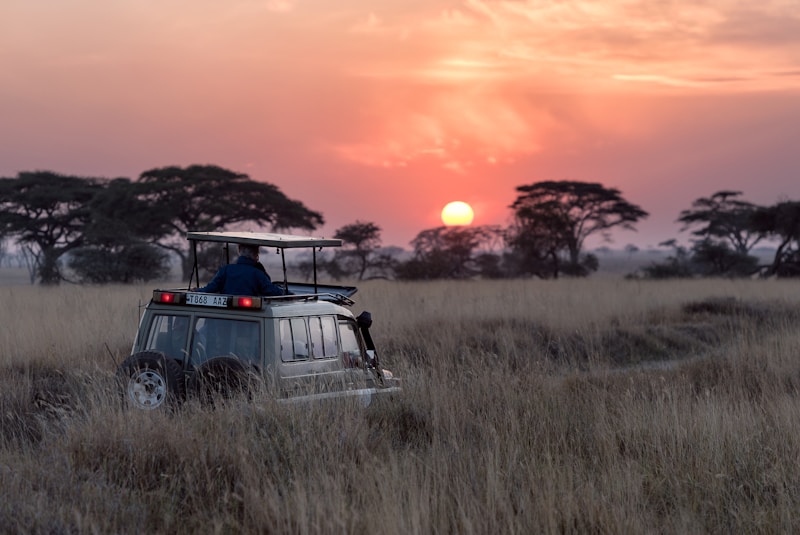
Go on an African Safari
Witness the Big Five and the great migration in their natural habitat.
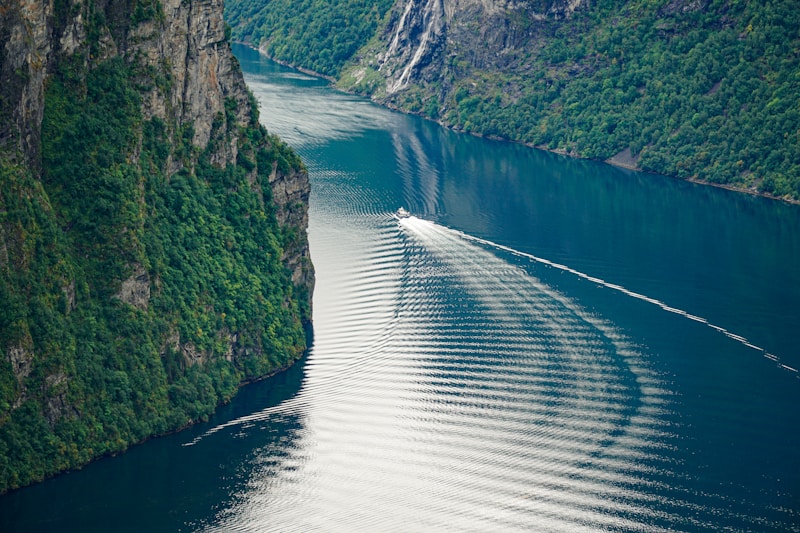
Cruise the Norwegian Fjords
Sail through dramatic cliff-lined waterways carved by glaciers.

Explore Yellowstone National Park
Witness geysers, hot springs, and abundant wildlife in America's first national park.
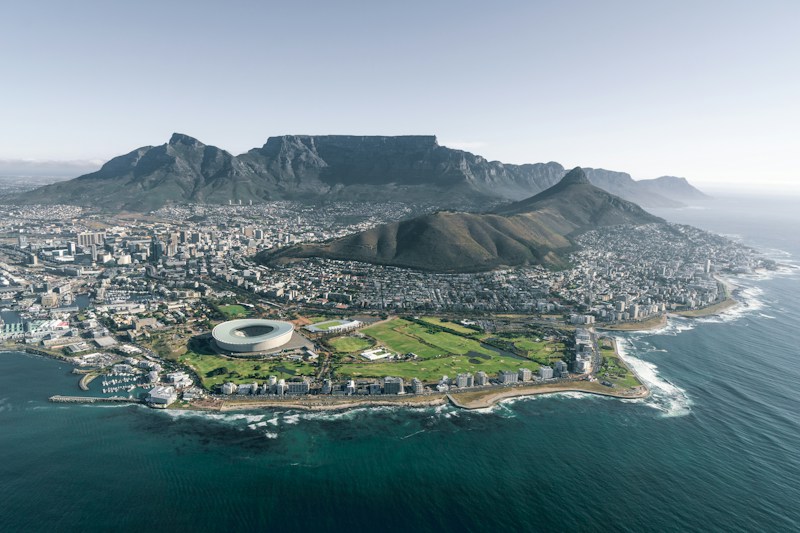
Explore Cape Town and Beyond
Experience Table Mountain, wine country, and the Cape of Good Hope.