Explore Cape Town and Beyond
From $1.5k
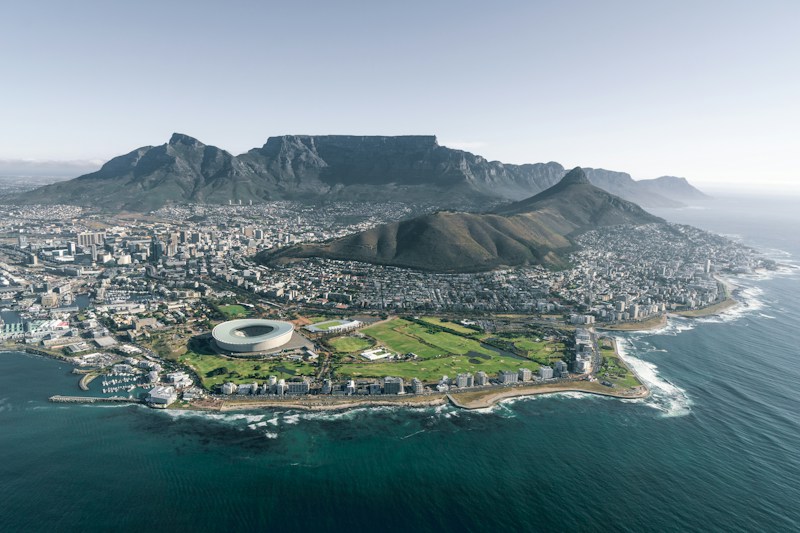
Explore Cape Town and Beyond
Experience Table Mountain, wine country, and the Cape of Good Hope.
At a Glance
$1.5k+
7-14 days
South Africa
November to March
About This Experience
Cape Town occupies one of Earth's most spectacular settings—Table Mountain rising flat-topped from the city center, two oceans meeting at the continent's southern tip, beaches and wine country and wildlife within easy reach of a cosmopolitan city that blends African, European, and Asian influences into something uniquely South African. The "Mother City," as South Africans call it, offers natural beauty, culinary sophistication, adventure activities, and cultural depth in concentrations that few destinations can match. Add the favorable exchange rate and Cape Town becomes not just beautiful but accessible to travelers from stronger currencies. Table Mountain dominates Cape Town visually and experientially. The flat-topped massif (actually a mountain range, with Table Mountain proper joined by Devil's Peak and Lion's Head) rises over 1,000 meters from sea level, its tablecloth of cloud frequently rolling over the edges in a display that never grows ordinary. The aerial cableway provides effortless access, the rotating cars ensuring everyone gets 360-degree views during the ascent. Hiking routes offer more immersive experiences—Platteklip Gorge provides the most direct (and steepest) route, while routes from Kirstenbosch Botanical Garden traverse diverse vegetation zones. Lion's Head, the smaller peak beside Table Mountain, rewards sunrise or full-moon hikes with panoramic views. The Cape Peninsula stretches south from the city toward Cape Point, where the Atlantic and Indian Oceans meet (technically; the actual meeting point varies with definitions). The drive along this peninsula—Chapman's Peak Drive especially—provides some of the world's most scenic coastal roads, cliffs plunging to beaches far below. Boulders Beach near Simon's Town hosts a penguin colony that allows remarkably close encounters with African penguins waddling along the sand. Cape Point Nature Reserve protects fynbos vegetation and provides hiking to the lighthouse at the promontory's tip. The Winelands spread through valleys less than an hour from the city center, their Cape Dutch architecture—graceful gables and whitewashed walls—creating one of the world's most beautiful wine regions. Stellenbosch, the oldest wine-producing town, combines university-town energy with tasting rooms and restaurants. Franschhoek, founded by French Huguenot refugees, claims the title of South Africa's culinary capital, its main street lined with restaurants that draw serious food travelers. Constantia, even closer to Cape Town, produced wines that Napoleon requested during his exile. The wines—especially Pinotage, a uniquely South African grape, plus excellent Chenin Blanc, Syrah, and Cabernet—rival old-world quality at new-world prices. The food scene extends beyond wine country. Cape Town's restaurant culture has exploded in recent years, with innovative chefs combining local ingredients (including Cape Malay spices, game meats, and seafood) with global techniques. The Waterfront and Bree Street areas concentrate high-end options, while neighborhoods like Woodstock offer more casual but equally creative spots. Cape Malay cuisine—the heritage of Malaysian slaves brought by the Dutch—contributes dishes like bobotie (spiced minced meat baked with egg topping) and koesisters (spiced, syrup-soaked doughnuts). The adventure activities capitalize on the dramatic geography. Great white shark cage diving from Gansbaai puts you face-to-face with apex predators through protective bars. Paragliding from Lion's Head or Signal Hill floats you above the city with mountains and ocean views. Surfing at Muizenberg's gentle breaks introduces beginners, while bigger swells challenge advanced surfers elsewhere. Hiking, mountain biking, rock climbing, and kayaking all benefit from scenery that makes exercise feel incidental to the visual rewards. The cultural dimensions require honest acknowledgment. Cape Town's beauty exists alongside apartheid's legacy and continuing inequality visible in the townships that house much of the population. Township tours, done thoughtfully with community-based operators, provide context and connection that beach visits cannot. Robben Island, where Nelson Mandela spent 18 years imprisoned, offers tours led by former prisoners that make history immediate and personal. District Six Museum documents the forced removals that destroyed a vibrant neighborhood during apartheid, its exhibits providing necessary context for understanding contemporary South Africa. The practical considerations include timing—the Southern Hemisphere summer (November to March) brings the best weather but also the highest prices and crowds. The exchange rate makes Cape Town affordable for visitors from the US, UK, or EU. Security concerns are real but manageable with sensible precautions—don't display valuables, be aware of your surroundings, use recommended transportation. Renting a car enables the most flexible exploration, though driving on the left and aggressive local drivers require adjustment. Cape Town delivers natural spectacle, culinary excellence, adventure opportunities, and cultural complexity in a setting that justifies the flights required to reach it.
Cost Breakdown
Estimated costs can vary based on location, season, and personal choices.
Budget
Basic experience, economical choices
Mid-Range
Comfortable experience, quality choices
Luxury
Premium experience, best options
Difficulty & Requirements
Accessible for most people with basic planning.
Physical Requirements
Moderate
Prerequisites
- Check visa requirements
Tips & Advice
Take the cableway up Table Mountain on a clear day
Visit Stellenbosch and Franschhoek wine regions
See penguins at Boulders Beach
Drive Chapman's Peak at sunset
Combine with safari in Kruger or private reserves
Community Discussion
Ask questions, share tips, or read experiences from others.
View Discussions Start DiscussionShare This Experience
Quick Summary
- Category Travel
- Starting Cost $1.5k
- Time Needed 7-14 days
- Best Season November to March
- Difficulty Moderate
Explore More
You Might Also Like
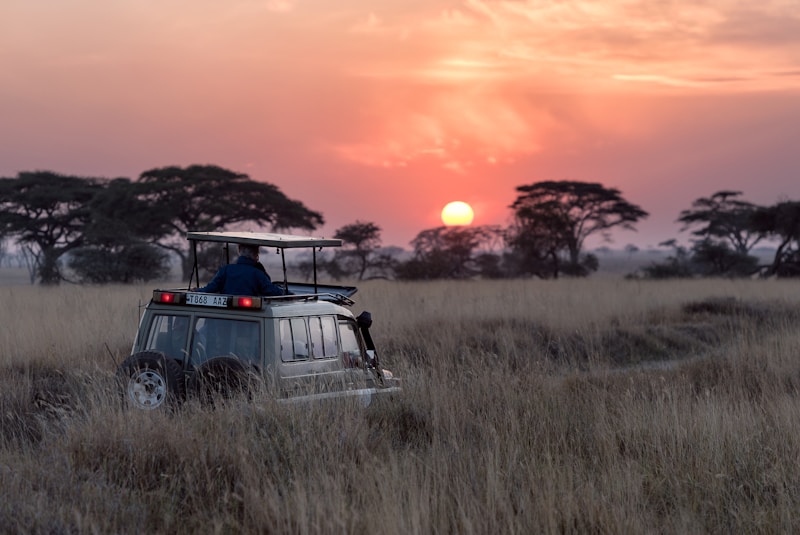
Go on an African Safari
Witness the Big Five and the great migration in their natural habitat.
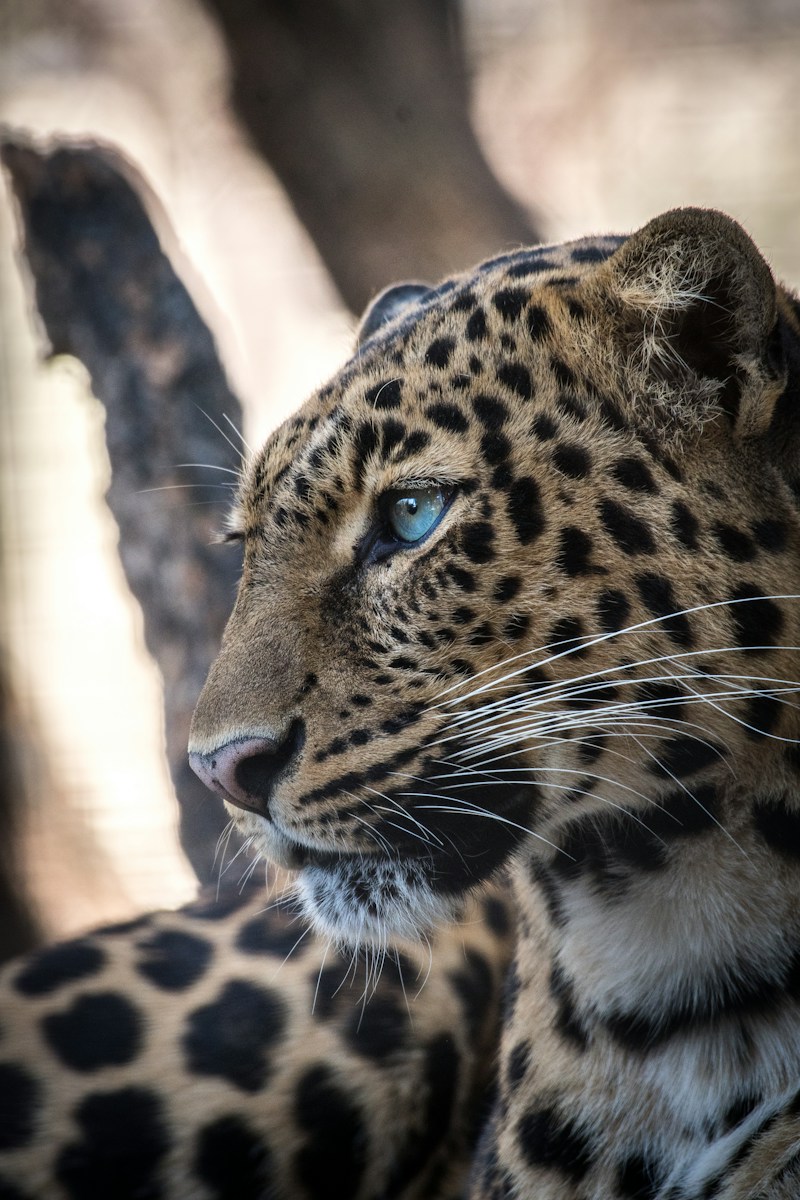
Cruise the Galápagos Islands
Walk among fearless wildlife that inspired Darwin's theory of evolution.

Explore Yellowstone National Park
Witness geysers, hot springs, and abundant wildlife in America's first national park.
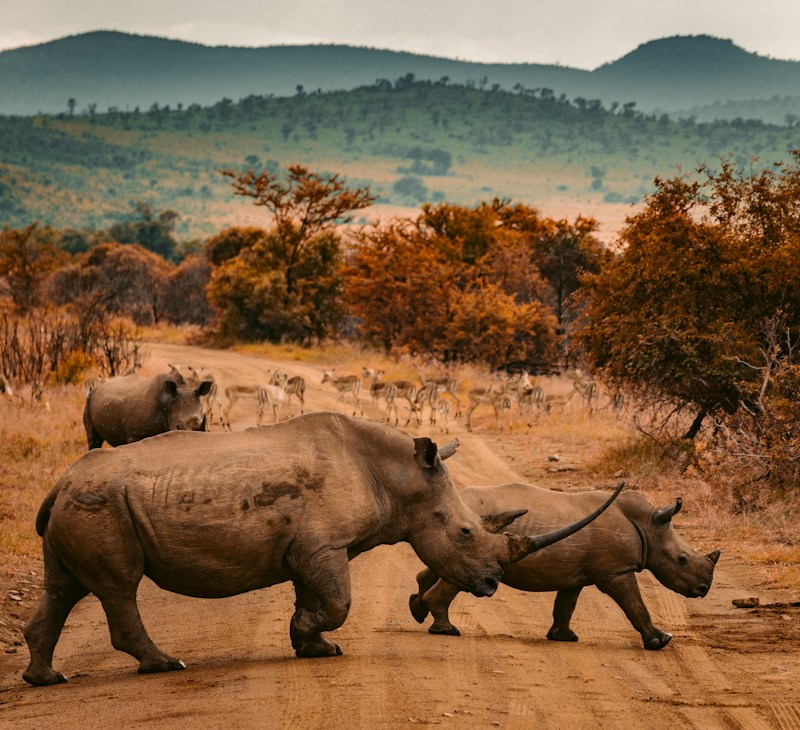
Witness the Great Migration
Watch millions of wildebeest cross croc-infested rivers in East Africa.