Go on an African Safari
From $3.0k
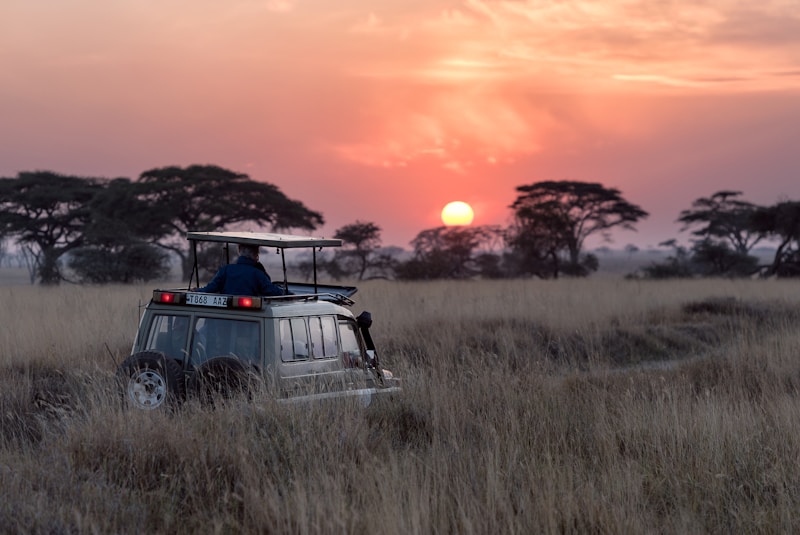
Go on an African Safari
Witness the Big Five and the great migration in their natural habitat.
At a Glance
$3.0k+
7-14 days
Kenya, Tanzania, South Africa, Botswana
June-October (dry season, migration)
About This Experience
An African safari represents perhaps the purest form of travel—a journey that strips away the artificial comforts of modern life and places you face-to-face with nature in its most primal form. This is not a zoo experience sanitized for comfort. This is witnessing a lion take down a zebra, watching a herd of elephants protect their young, seeing millions of wildebeest undertake their ancient migration across the Serengeti. It is life and death, beauty and brutality, playing out on the African savanna as it has for millions of years. The term "Big Five"—lion, leopard, elephant, rhinoceros, and buffalo—originated with colonial-era hunters describing the five most dangerous animals to hunt on foot. Today, these animals represent the ultimate safari checklist, though experienced guides will tell you that the smaller, less famous creatures often provide the most fascinating encounters. A dung beetle rolling its prize across the road, a lilac-breasted roller displaying its impossible plumage, a hyena clan's social dynamics—the savanna rewards those who look beyond the headline species. Choosing where to safari requires understanding what you want to experience. East Africa—Kenya and Tanzania—offers classic savanna landscapes and the opportunity to witness the Great Migration, when over two million wildebeest, zebras, and gazelles undertake their circular journey following the rains. The Serengeti and Masai Mara provide the iconic imagery most people associate with safari. Southern Africa—particularly Botswana's Okavango Delta, South Africa's Kruger region, and Zambia's national parks—offers equally spectacular wildlife in different landscapes, from floodplains to dense bush. The rhythm of safari days becomes almost meditative. You wake before dawn, often to the sounds of the bush already stirring. A quick coffee and perhaps a rusk biscuit, then into the vehicle as the first light touches the savanna. The early hours are prime time—predators are active after their nocturnal hunts, herbivores are emerging from where they sheltered overnight, and the low-angle light creates perfect photography conditions. As the sun climbs and heat builds, animals seek shade and activity slows. You return to camp for brunch and perhaps a rest during the hottest hours. Afternoon drives begin around four, carrying through the golden hour into sunset, when the bush comes alive again. The guides make or break the experience. A skilled tracker reads signs invisible to untrained eyes—bent grass indicating a recent crossing, bird behavior suggesting a predator nearby, barely perceptible movement in distant bush. They understand animal behavior deeply enough to predict what will happen next, positioning the vehicle for unforgettable encounters. The difference between a good guide and an exceptional one transforms a game drive from animal spotting into genuine wildlife immersion. Safari accommodations range from authentic tented camps where canvas separates you from the night sounds of Africa, to ultra-luxury lodges with private plunge pools and gourmet dining. The tented camp experience—falling asleep to lion roars in the distance, feeling the chill of the African night, waking to bird calls—provides a more authentic connection to the environment. But even luxury lodges maintain the sense of being surrounded by wilderness; elephants frequently wander through camp, and the calls of hyenas remind you that this is not a resort experience. The Great Migration deserves special mention for those seeking safari's most spectacular phenomenon. The herds follow a roughly clockwise circuit through the Serengeti-Mara ecosystem, timing their movement to the rains that determine where grass grows. The river crossings—particularly the Mara River in August and September—provide nature's most dramatic spectacle. Thousands of wildebeest mass at the riverbank, their survival instinct warring with fear of the crocodiles waiting below. Eventually, panic or courage tips the balance, and they plunge in, some making the far bank, others feeding the crocodiles that have waited for this moment. Beyond the wildlife, safari offers something increasingly rare in our connected world: genuine disconnection. Most camps have limited or no internet, cell service is spotty to nonexistent, and the rhythm of your days follows the sun rather than a screen. You find yourself noticing things—the quality of light, animal behavior, the changing moods of the landscape—that normally slip past in the blur of modern existence. Many travelers describe returning from safari with a recalibrated sense of what matters. The conservation angle adds meaning to the experience. Your presence and payment support the parks and conservancies that protect these ecosystems. Without safari tourism, much of this land would likely be converted to agriculture or lost to poaching. By visiting, you become part of the argument for preservation, demonstrating that wildlife alive is worth more than wildlife dead. Many operators run community development programs that share tourism benefits with local populations, aligning conservation with human welfare. An African safari changes people. Whether it's the humility of watching a predator hunt, the joy of an elephant herd playing in water, or simply the vast silence of the African night, something shifts in how you see the world. You return home with photographs and memories, but also with a deeper appreciation for the wild places that still exist on our planet—and the urgency of ensuring they survive for generations to come.
Cost Breakdown
Estimated costs can vary based on location, season, and personal choices.
Budget
Basic experience, economical choices
Mid-Range
Comfortable experience, quality choices
Luxury
Premium experience, best options
Difficulty & Requirements
Accessible for most people with basic planning.
Physical Requirements
Minimal - mostly vehicle-based
Prerequisites
- Vaccinations
- Malaria prophylaxis
- Travel insurance
Tips & Advice
Book during migration season for best wildlife
Bring good binoculars and camera with zoom
Pack neutral colored clothing
Early morning game drives are best
Tip your guides well
Related Topics
Community Discussion
Ask questions, share tips, or read experiences from others.
View Discussions Start DiscussionShare This Experience
Quick Summary
- Category Travel
- Starting Cost $3.0k
- Time Needed 7-14 days
- Best Season June-October (dry season, migration)
- Difficulty Moderate
Explore More
You Might Also Like
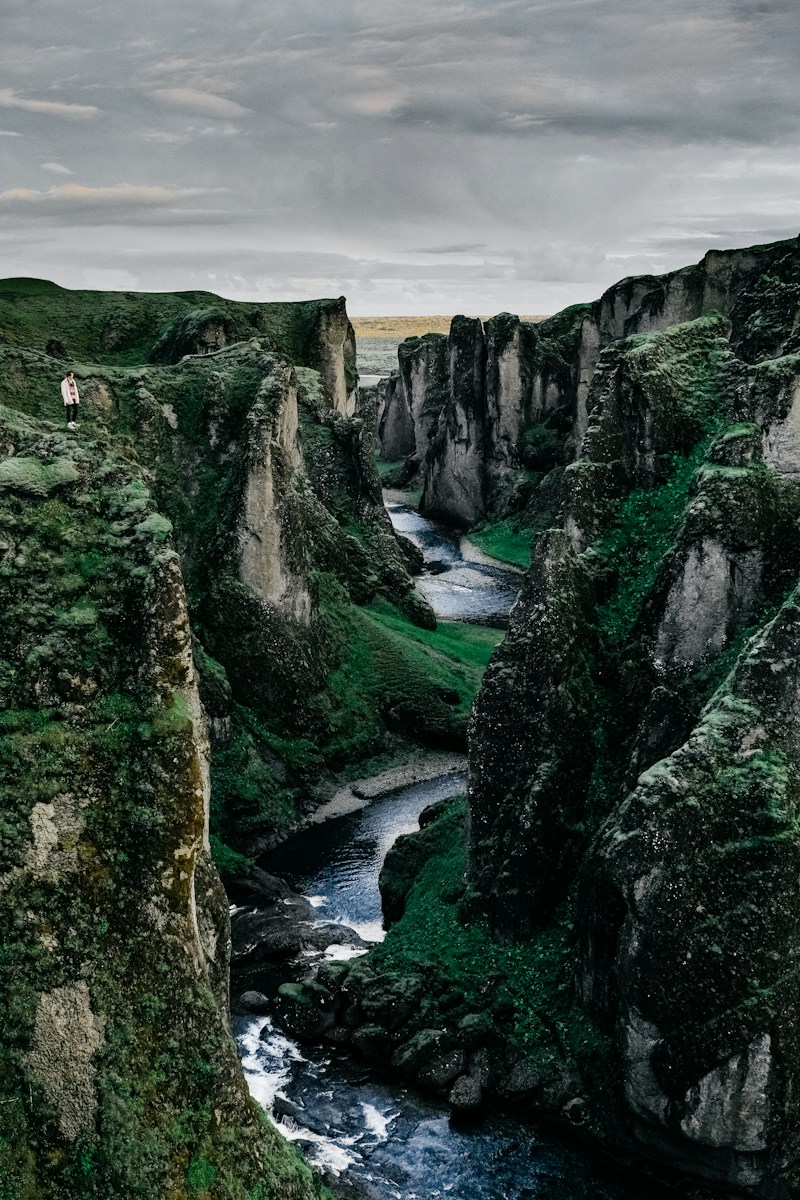
Drive Iceland's Ring Road
Circle the entire island through otherworldly volcanic landscapes.
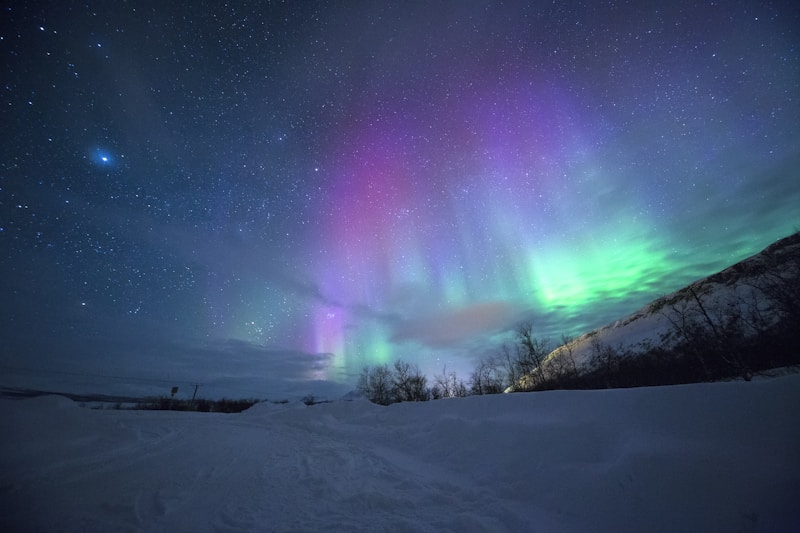
See the Northern Lights
Witness the magical aurora borealis dancing across the night sky.
Trek Through Patagonia
Explore the wild, windswept landscapes at the end of the world.
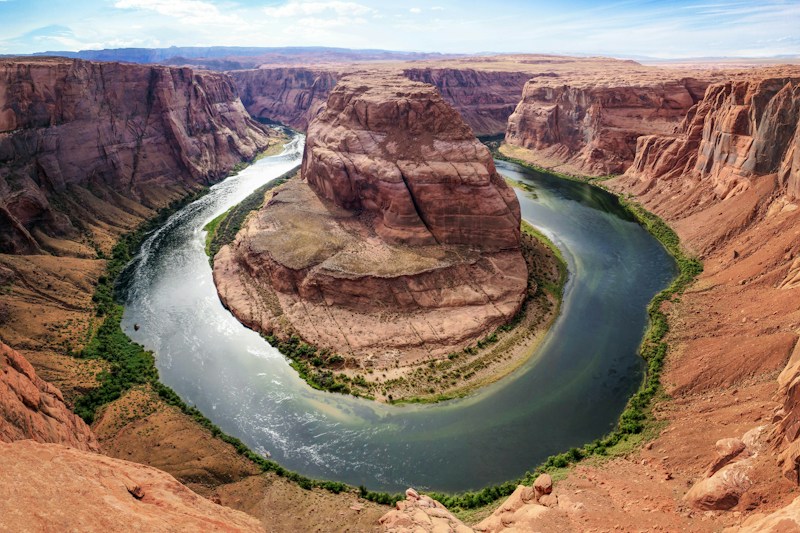
Stand at the Grand Canyon
Marvel at one of Earth's most awe-inspiring natural wonders.