Master a Breathwork Practice
From Free
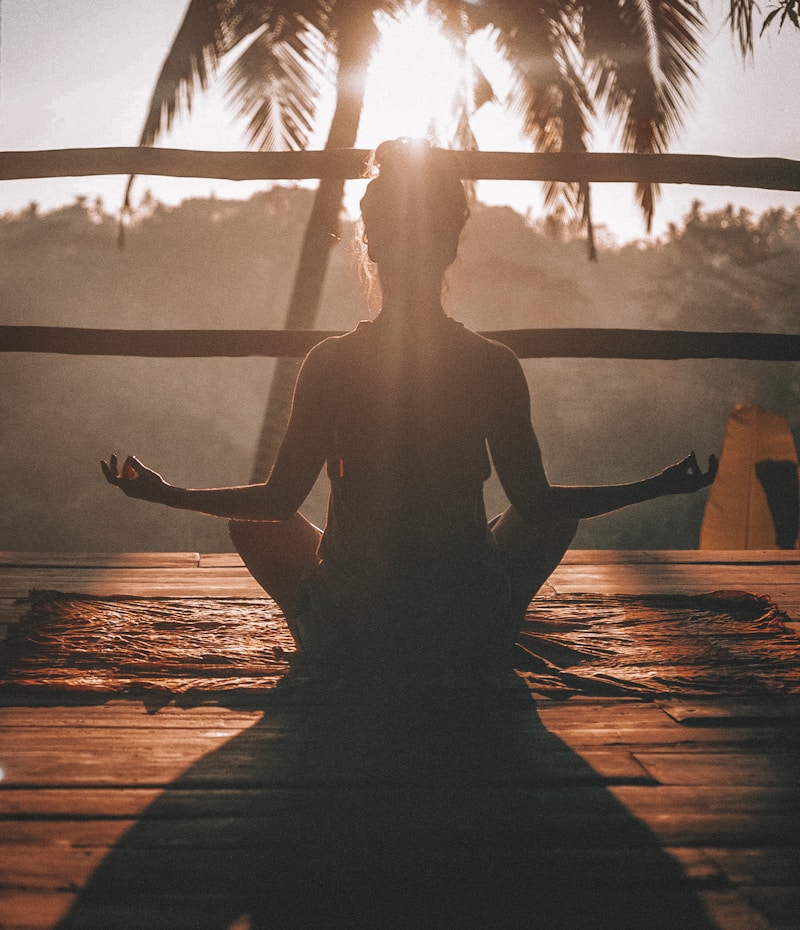
Master a Breathwork Practice
Harness the power of breath for health and mental clarity.
At a Glance
Free+
Weeks to learn, lifetime to master
Year-round
About This Experience
Breathwork traditions spanning thousands of years offer remarkably accessible tools for mental and physical transformation, requiring no equipment, minimal time, and producing effects that practitioners consistently describe as profound. From ancient pranayama practices developed by yogis to modern methods like the Wim Hof technique, conscious breathing represents perhaps the most underutilized pathway to well-being available—always accessible, completely free, and surprisingly powerful once properly learned. The physiological mechanisms underlying breathwork effects are increasingly well understood. Breathing rate and pattern directly influence the autonomic nervous system: slow, deep breathing activates the parasympathetic "rest and digest" response, reducing heart rate, blood pressure, and cortisol while increasing heart rate variability (a marker of nervous system flexibility and health). Conversely, rapid or shallow breathing triggers sympathetic "fight or flight" activation, useful for energy and focus but damaging when chronic. Conscious breathing practices provide manual override of automatic systems, allowing you to shift physiological states at will. The Wim Hof Method has popularized breathwork in contemporary wellness culture, combining specific breathing patterns with cold exposure and commitment mindset. The breathing component involves cycles of deep rapid breathing followed by breath holds after exhalation, producing tingling sensations, lightheadedness, and eventually the ability to hold breath for remarkable durations. Scientific research has documented genuine immune system effects from this practice, though the method requires caution—the altered states it produces make practicing near water or while driving dangerous. Pranayama, the yogic science of breath control, offers dozens of techniques refined over millennia for specific purposes. Nadi Shodhana (alternate nostril breathing) balances the nervous system and calms the mind. Kapalabhati (skull-shining breath) energizes through rapid abdominal pumping. Ujjayi (victorious breath) creates audible breathing that maintains focus during physical practice. Bhramari (bee breath) uses humming vibration for calming effect. Each technique produces distinct effects, and systematic study reveals which serve your particular needs. Holotropic breathwork, developed by psychiatrist Stanislav Grof, uses extended rhythmic breathing to produce non-ordinary states of consciousness. Practiced in supervised settings over several hours, often with evocative music, holotropic breathwork can produce experiences participants describe as psychedelic in intensity—access to unconscious material, emotional release, insights into personal patterns. The method requires trained facilitation and integration support; attempting it alone is not recommended given the intensity of potential experiences. Coherent breathing, sometimes called resonant breathing, represents the simplest evidence-based practice: breathing at approximately six breaths per minute (five seconds in, five seconds out) for several minutes. This specific rate maximizes heart rate variability and vagal tone, producing calm without drowsiness. The simplicity makes it easy to practice anywhere—during stressful meetings, before sleep, in moments of anxiety. No special training is required; phone apps can pace the breath until the rhythm becomes natural. The Box breathing technique (equal duration inhale, hold, exhale, hold) is used by military special operations forces for stress management in high-pressure situations. A common pattern uses four seconds for each phase, producing sixteen-second cycles that occupy attention and shift physiology simultaneously. The technique's adoption by elite performers demonstrates breathwork's utility beyond relaxation—proper breathing supports performance under pressure as much as recovery afterward. Learning breathwork requires some instruction but less than most assume. Free resources—YouTube tutorials, app-guided practices, library books on pranayama—provide sufficient introduction for basic techniques. Retreats, workshops, and courses offer deeper instruction and community practice that accelerates development. The investment required is minimal compared to most wellness interventions, while the benefits compound with consistent practice over time. The integration of breathwork into daily life multiplies its value. Morning practices set nervous system tone for the day ahead. Brief practices during stressful moments provide immediate relief. Evening practices prepare for restorative sleep. Unlike exercise requiring dedicated time blocks, breathing practices fit into transitional moments—commutes, waiting rooms, breaks between tasks. This accessibility means that learning breathwork creates tools available precisely when most needed.
Cost Breakdown
Estimated costs can vary based on location, season, and personal choices.
Budget
Basic experience, economical choices
Mid-Range
Comfortable experience, quality choices
Luxury
Premium experience, best options
Difficulty & Requirements
Accessible for most people with basic planning.
Physical Requirements
None
Tips & Advice
Wim Hof method is popular and accessible
Holotropic breathwork is intense and powerful
Pranayama has thousands of years of development
Start with basic techniques before advanced
Morning practice sets the day's tone
Related Topics
Community Discussion
Ask questions, share tips, or read experiences from others.
View Discussions Start DiscussionShare This Experience
Quick Summary
- Category Wellness
- Starting Cost Free
- Time Needed Weeks to learn, lifetime to master
- Best Season Year-round
- Difficulty Moderate
You Might Also Like

Develop a Cold Exposure Practice
Build resilience through regular cold water immersion.

Develop a Regular Sauna Practice
Experience the health benefits of consistent heat exposure.

Complete an Extended Fast
Experience the mental clarity and reset of prolonged fasting.

Maintain a 90-Day Gratitude Practice
Transform your mindset through consistent gratitude.