Trek Through Patagonia
From $2.5k
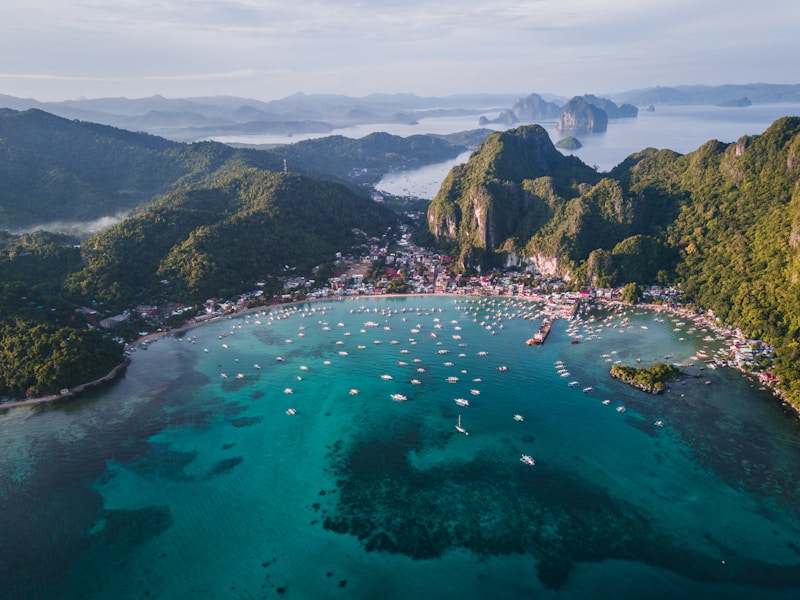
Trek Through Patagonia
Explore the wild, windswept landscapes at the end of the world.
At a Glance
$2.5k+
10-21 days
Chile and Argentina
November to March
About This Experience
Patagonia exists at the edge of the world—a vast, windswept region where the Andes mountains crumble into the sea, where glaciers still grind through valleys as they did during the ice ages, where weather systems roll in from the Pacific and Southern Ocean with a fury that makes hikers question their life choices. This is not comfortable terrain. The wind is relentless, the distances vast, the weather capricious. And yet, trekking through Patagonia remains one of the world's defining wilderness experiences, a journey that rewards suffering with scenery so dramatic it seems computer-generated. The region spans the southern portions of both Chile and Argentina, from roughly the 40th parallel to the tip of the continent at Cape Horn. But when travelers speak of "Patagonia," they usually mean the national parks that protect its most spectacular scenery: Torres del Paine in Chile and Los Glaciares in Argentina. These adjacent parks contain the images that define Patagonian fantasy—the granite towers of Torres del Paine rising impossibly above turquoise lakes, the massive face of Perito Moreno Glacier calving bus-sized chunks of ice into Lago Argentino. Torres del Paine draws trekkers from around the world. The W Trek, named for the shape it traces on the map, takes four to five days and hits the park's highlights: the French Valley with its hanging glaciers, the Grey Glacier spanning a lake of icebergs, and of course the towers themselves. The full Circuit (O Trek) adds the remote back side of the mountains, requiring seven to nine days and genuine self-sufficiency. Both require booking refugios (mountain huts) or campsites months in advance—this is no longer a wilderness you can wander into spontaneously. The towers themselves—three granite spires piercing the sky—remain Patagonia's most iconic image. Reaching their base requires an early morning start and a steep final climb, timed to arrive at sunrise when the spires glow pink and orange against the blue sky. This is the money shot, the image that sells a thousand adventure tours, and experiencing it in person confirms why: these towers seem designed to inspire awe, their vertical faces and pointed summits creating silhouettes of impossible drama. On the Argentine side, Los Glaciares National Park offers its own superlatives. The Perito Moreno Glacier is rare among the world's glaciers in that it's still advancing, its massive face pushing into Lago Argentino and periodically calving in spectacular displays of natural violence. Viewing platforms allow visitors to stand mere hundreds of meters from this 60-meter-high wall of blue ice, waiting for the thunderous crack that announces another collapse into the milky waters below. The Fitz Roy massif near El Chaltén provides another Patagonian icon. This jagged peak, wreathed in clouds and surrounded by spires, appears on the Patagonia clothing company's logo—appropriate, since founder Yvon Chouinard fell in love with this region. The hike to Laguna de los Tres places you before this mountain's full dramatic display, though Patagonian weather means the summit remains hidden more often than not. Patience and flexible schedules reward those hoping for clear views. Weather dominates every Patagonian journey. The wind is legendary—not a breeze but a constant assault that can knock hikers off their feet, drive horizontal rain through "waterproof" gear, and make exposed ridge walking genuinely dangerous. The saying "four seasons in one day" understates the reality. Hikers carry layers for sun, rain, cold, and wind, often donning and removing clothing multiple times per hour. The reward for enduring bad weather is experiencing good weather—when the clouds lift and the mountains reveal themselves against blue sky, the suffering becomes worth it. The shoulder seasons offer tradeoffs. Peak summer (December-February) brings the best weather odds, longest days, and biggest crowds. Early (October-November) and late (March-April) seasons offer solitude and perhaps better photography light, but also higher chances of bad weather and trail closures. Winter essentially shuts down the trekking routes, though some hardy visitors come for backcountry skiing and frozen landscapes. Beyond the famous parks, Patagonia offers less-visited rewards. The Carretera Austral in Chile winds through temperate rainforests, past hanging glaciers, and along fjords where roads end and boats take over. The Argentine steppe—vast, windswept, seemingly endless—reveals Patagonia's other face: not dramatic mountains but the austere beauty of emptiness. Ushuaia, the world's southernmost city, serves as launching point for Antarctic expeditions and offers hiking in the Martial Mountains above town. The practical challenges are real. Patagonia is expensive—park fees, accommodation, transportation, and food all carry premium prices in these remote regions. Getting there requires lengthy journeys from Buenos Aires or Santiago, often via small airports with weather-delayed flights. The tourist infrastructure, while much improved, still strains under the volume of visitors. Those seeking genuine wilderness increasingly look to lesser-known areas like the Dientes de Navarino circuit on Navarino Island, the southernmost long-distance trek on earth. What makes Patagonia worth the expense and difficulty is the quality of wilderness itself. These are among the last substantial wild places in temperate latitudes, where you can walk for days without road noise, where condors spiral on thermals above the ridges, where night skies remain genuinely dark. The mountains may look like the Alps or the Canadian Rockies, but the sense of remoteness—of being at the edge of the inhabited world—distinguishes Patagonia from more accessible ranges. Trekking in Patagonia changes people. The combination of physical challenge, weather struggle, and scenic reward creates experiences that burn into memory. Standing before the Torres at sunrise, watching Perito Moreno calve into the lake, fighting wind across an exposed pass—these moments become the stories you tell for the rest of your life. Patagonia is not easy, but it delivers on its promises. At the end of the world, something extraordinary awaits.
Cost Breakdown
Estimated costs can vary based on location, season, and personal choices.
Budget
Basic experience, economical choices
Mid-Range
Comfortable experience, quality choices
Luxury
Premium experience, best options
Difficulty & Requirements
Challenging. Significant preparation and commitment required.
Physical Requirements
Excellent fitness for multi-day trekking
Prerequisites
- Quality hiking gear
- Book refugios/campsites months ahead
Tips & Advice
The W Trek is iconic but crowded - consider the O Circuit
Weather changes rapidly - pack layers
Book Torres del Paine permits early
Don't miss Perito Moreno Glacier
Wind is relentless - bring a sturdy tent
Community Discussion
Ask questions, share tips, or read experiences from others.
View Discussions Start DiscussionShare This Experience
Quick Summary
- Category Travel
- Starting Cost $2.5k
- Time Needed 10-21 days
- Best Season November to March
- Difficulty Difficult
Explore More
You Might Also Like
Road Trip New Zealand
Drive through Middle-earth's stunning mountains, fjords, and rolling hills.
Explore the Canadian Rockies
Discover turquoise lakes, massive glaciers, and towering peaks.
Visit Machu Picchu
Explore the ancient Incan citadel perched high in the Andes Mountains.
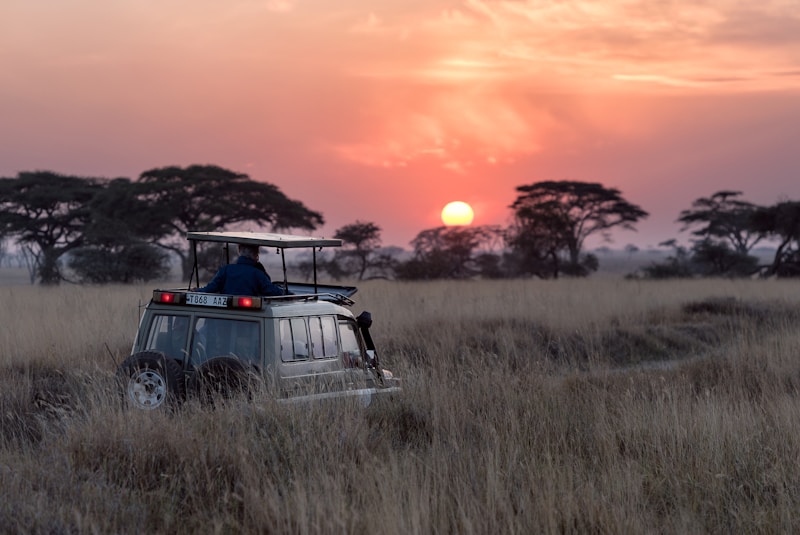
Go on an African Safari
Witness the Big Five and the great migration in their natural habitat.