Drive Iceland's Ring Road
From $2.5k
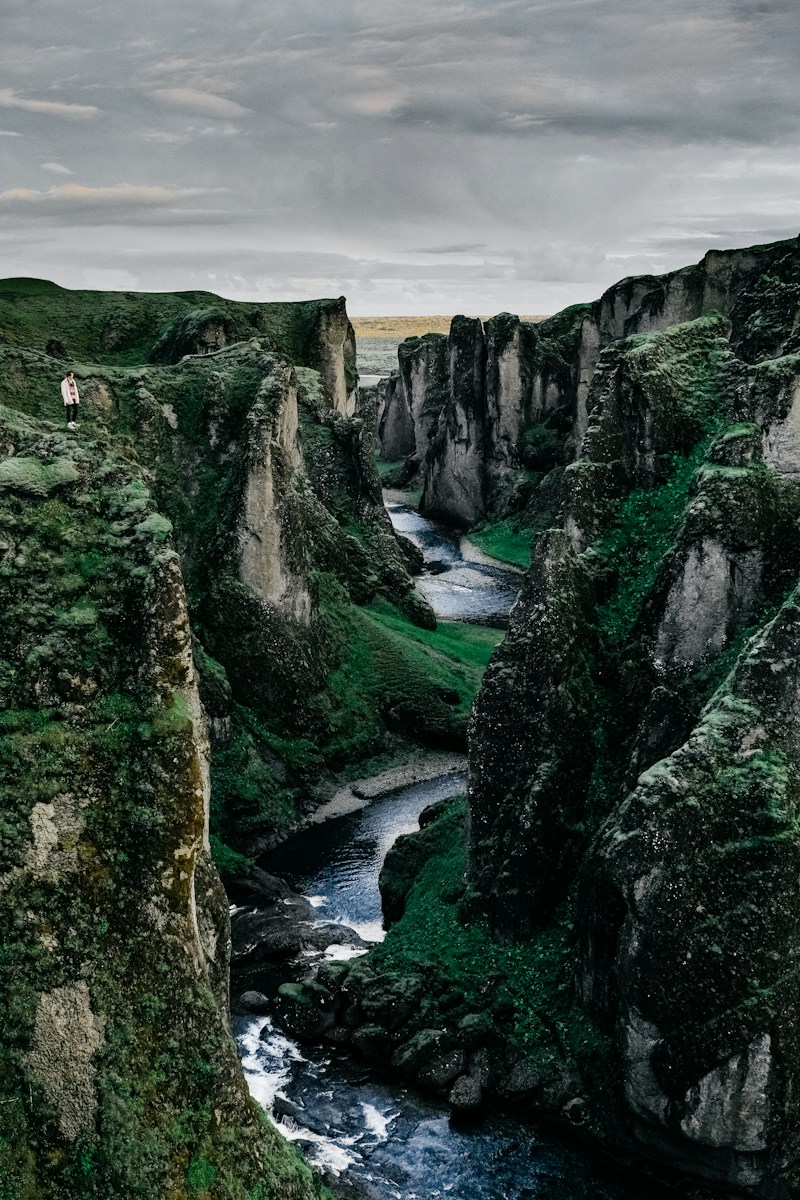
Drive Iceland's Ring Road
Circle the entire island through otherworldly volcanic landscapes.
At a Glance
$2.5k+
10-14 days
Iceland
June-August for 24hr daylight, winter for northern lights
About This Experience
Iceland's Ring Road (Route 1) offers 1,332 kilometers of continuous astonishment—a journey around an island so geologically active and visually otherworldly that astronauts once trained here as preparation for the moon. Driving this circuit means witnessing glaciers that grind toward the sea, waterfalls that dwarf cathedrals, volcanic landscapes still steaming from recent eruptions, and coastlines where black sand beaches meet waves rolling in from the Arctic. No other road trip on Earth concentrates this much geological drama into such accessible distance. The journey typically begins and ends in Reykjavik, but the direction matters little—wonder awaits in either direction. Most travelers drive clockwise, encountering the famous Golden Circle attractions before venturing into less-visited eastern and northern regions. Counter-clockwise journeys begin with the dramatic Snæfellsnes Peninsula, building toward the south coast's greatest hits. Either approach works; Iceland's Ring Road is less a linear narrative than a continuous revelation. The south coast concentrates many of Iceland's most photographed locations. Seljalandsfoss allows you to walk behind its 60-meter cascade, water thundering past as you peer through the curtain at the green landscape beyond. Skógafoss, broader and more powerful, rewards those who climb the 527 steps beside it with views over the coastal plain and the beginning of a trail that leads to the highlands. The black sand beaches at Reynisfjara feature basalt columns rising from the shore while sea stacks punctuate the waves offshore—but respect the sneaker waves that have claimed lives here. Vatnajökull, Europe's largest glacier by volume, dominates the southeast. This ice cap covers 8% of Iceland and spawns outlet glaciers that reach almost to the Ring Road. Jökulsárlón glacial lagoon, where icebergs calve from the glacier and float toward the sea, creates scenes of ethereal beauty—ice ranging from white to electric blue to black with volcanic ash, seals hauling out on bergs, and the constantly changing display as ice melts and shifts. The adjacent Diamond Beach, where smaller ice fragments wash ashore on black sand, offers equally photogenic tableaux. The East Fjords provide welcome contrast—intimate valleys and quiet fishing villages after the south coast's blockbuster attractions. The road winds around fjord after fjord, climbing over passes with views extending to distant ice caps, descending to shores where colorful houses cluster around small harbors. Seyðisfjörður, reached via a mountain pass from the Ring Road, offers artistic character and the terminus for the ferry to Europe. The north brings different landscapes entirely. The Lake Mývatn area concentrates geological oddities: pseudocraters formed by steam explosions, lava formations twisted into impossible shapes, hot springs at varying temperatures, and the still-active volcanic area of Krafla where the earth actively splits apart at the mid-Atlantic ridge. The north also offers some of Iceland's best whale watching, with Húsavík claiming the title of "Europe's Whale Watching Capital." The Westfjords, though requiring departure from the Ring Road, reward those with time for serious exploration. This remote peninsula, connected to the mainland by a narrow neck, offers Iceland's most dramatic cliff scenery, Europe's largest bird cliffs at Látrabjarg, and the genuine isolation that the main island's tourism has diminished. Weather shapes every Iceland journey. The island sits where warm Atlantic currents meet cold Arctic air, creating rapidly changing conditions. "If you don't like the weather, wait five minutes" could have been coined here. Summer brings endless daylight—literally, around the solstice—but also crowds and premium prices. Shoulder seasons (May-June and September) offer better value and Northern Lights potential in autumn. Winter limits access to certain sections but transforms the landscape into a stark wonderland, with ice caves opening beneath glaciers and auroras dancing overhead. Driving in Iceland demands respect. While the Ring Road itself is entirely paved and passable in a regular car during summer, conditions can change rapidly. Wind strong enough to damage car doors, sudden fog reducing visibility to meters, gravel sections that appear without warning, and single-lane bridges requiring vigilance all feature on the route. Many of Iceland's most spectacular locations require F-roads (mountain roads) accessible only to 4WD vehicles and impassable much of the year. The environmental impact of Iceland's tourism boom has prompted soul-searching. Popular sites like the crashed DC-3 on Sólheimasandur and various hot springs have suffered from overcrowding and vandalism. Fragile moss that takes decades to regenerate is damaged by thoughtless footsteps. Responsible visitors stay on marked paths, respect barriers, and recognize that Iceland's appeal depends on behaviors that preserve rather than exploit. What makes the Ring Road extraordinary isn't any single attraction but the relentless accumulation of wonders. Around every bend lies something that would be the highlight of a trip elsewhere: another waterfall, another glacier tongue, another volcanic formation, another hot spring. The scale of Iceland's landscapes—glaciers visible from 50 kilometers away, lava fields extending to the horizon, canyons dropping into the earth—creates a constant recalibration of perspective. The Ring Road isn't about reaching a destination; the entire circuit is the destination. Each day brings new geology, new light, new weather, new revelations about what nature can create when given enough time and tectonic energy. By the time you return to Reykjavik, you've not merely driven around an island—you've witnessed planetary forces that usually operate invisibly, made manifest in a landscape so dramatic it defies belief. Iceland's Ring Road is a master class in geology, delivered through your windshield.
Cost Breakdown
Estimated costs can vary based on location, season, and personal choices.
Budget
Basic experience, economical choices
Mid-Range
Comfortable experience, quality choices
Luxury
Premium experience, best options
Difficulty & Requirements
Accessible for most people with basic planning.
Physical Requirements
Ability to drive and hike
Prerequisites
- Valid driver's license
- 4WD recommended for F-roads
Tips & Advice
Book accommodation well in advance
Check road conditions daily
Never drive off-road
Fill up gas when you can
Pack for all weather in one day
Related Topics
Community Discussion
Ask questions, share tips, or read experiences from others.
View Discussions Start DiscussionShare This Experience
Quick Summary
- Category Travel
- Starting Cost $2.5k
- Time Needed 10-14 days
- Best Season June-August for 24hr daylight, winter for northern lights
- Difficulty Moderate
Explore More
You Might Also Like
Go on an African Safari
Witness the Big Five and the great migration in their natural habitat.
Road Trip New Zealand
Drive through Middle-earth's stunning mountains, fjords, and rolling hills.
See the Northern Lights
Witness the magical aurora borealis dancing across the night sky.
Road Trip Route 66
Drive the iconic "Mother Road" from Chicago to Santa Monica.