Explore Northern Thailand
From $800
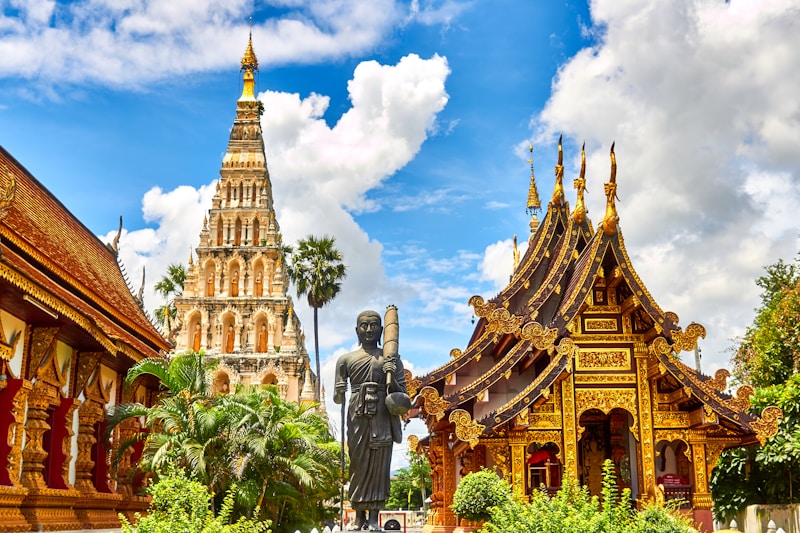
Explore Northern Thailand
Discover temples, hill tribes, and lush jungles around Chiang Mai.
At a Glance
$800+
7-10 days
Thailand
November to February
About This Experience
Northern Thailand unfolds at a pace that Bangkok's chaos cannot match—mountainous landscapes replacing the flat central plains, ancient temples scattered through mist-shrouded valleys, hill tribe villages accessible by trek or motorbike, and the distinctive Lanna culture that developed separately from the southern kingdoms. Chiang Mai, the region's largest city, serves as both destination and gateway, its old city walls enclosing temple-filled neighborhoods while the surrounding province offers elephants, waterfalls, and highland adventures that draw travelers seeking Thailand beyond the beaches. Chiang Mai's temples number in the hundreds, far exceeding what any visit can absorb. Doi Suthep, perched on the mountain overlooking the city, provides the essential pilgrimage—306 steps (or a cable car) lead to a golden chedi, panoramic views, and the sacred white elephant legend that determined the temple's location. Within the old city's moat-surrounded walls, Wat Chedi Luang's partially ruined tower once housed the Emerald Buddha, Wat Phra Singh preserves northern Thailand's most revered Buddha image, and Wat Chiang Man claims status as the city's oldest temple. The temples reward wandering—each turn reveals another spired structure, another gathering of saffron-robed monks, another opportunity for contemplation. The elephant experience demands ethical consideration. Traditional elephant tourism—riding, performances, captive breeding—has been widely condemned for the cruelty involved in breaking elephants for human use. Responsible alternatives have emerged: sanctuaries that rescue elephants from logging and tourism operations, providing them space to roam while allowing visitors to observe, feed, and sometimes bathe them without riding. Elephant Nature Park pioneered this model; similar sanctuaries now operate throughout the region. Choosing carefully means supporting elephant welfare rather than perpetuating exploitation. The cooking schools have made Chiang Mai Thailand's culinary classroom. Half-day and full-day classes teach the fundamentals of Thai cuisine—curry pastes made by mortar and pestle, the balance of sweet, sour, salty, and spicy that defines the cuisine, techniques for pad thai, tom yum, green curry, and other dishes. Most classes include market visits where instructors explain the herbs, vegetables, and proteins that distinguish Thai cooking. The skills transfer home better than most travel souvenirs. The trekking opportunities range from day hikes to multi-day expeditions into the mountains where hill tribes maintain traditions older than Thailand itself. Karen, Hmong, Lahu, and Akha villages dot the highlands, their cultures preserved through relative isolation and conscious choice. Organized treks provide accommodation in village homes, meals prepared by local families, and guides who navigate both terrain and cross-cultural encounters. The ethical considerations of visiting living communities apply here too—respectful tourism that benefits villages differs from voyeuristic alternatives. Pai has emerged as northern Thailand's countercultural refuge—a small town in a mountain valley that somehow became a backpacker legend, its single main street now lined with guesthouses, vegetarian restaurants, yoga studios, and the relaxed energy that draws travelers seeking to extend stays indefinitely. The surrounding countryside provides hot springs, waterfalls, and limestone canyons accessible by motorbike. Pai works best for those comfortable with its hippie-inflected atmosphere; others may find it precious. The Chiang Rai province offers distinct attractions. The White Temple (Wat Rong Khun) subverts expectations—a contemporary artist's vision of Buddhist iconography rendered in blindingly white stucco, its grounds decorated with pop culture references and contemporary commentary. The Blue Temple (Wat Rong Suea Ten) provides a similar artistic vision in different colors. The Golden Triangle, where Thailand, Laos, and Myanmar meet at the Mekong River, once defined the opium trade and now houses museums documenting that history. The hill tribe villages around Chiang Rai tend toward less tourist development than those near Chiang Mai. The night bazaars and markets provide evening entertainment throughout the region. Chiang Mai's Saturday and Sunday walking streets transform old city thoroughfares into miles of vendor stalls—handicrafts, clothing, art, and food in overwhelming variety. The Night Bazaar operates daily with a more fixed commercial structure. The markets offer shopping but also the social experience of Thai evening culture, families strolling, friends gathering, food consumed at plastic tables while traffic negotiates the crowds. The practical considerations include Chiang Mai's growing urban challenges—traffic, air pollution (especially during burning season from February through April), and development that has diminished some of the city's historical charm. The cool season (November through February) provides the best weather but also peak tourism. The region is significantly cheaper than Bangkok or the southern islands, with accommodation, food, and activities priced for extended stays. Northern Thailand delivers experiences that define sustainable travel—cultural depth, natural beauty, culinary education, and ethical encounters with both wildlife and local communities.
Cost Breakdown
Estimated costs can vary based on location, season, and personal choices.
Budget
Basic experience, economical choices
Mid-Range
Comfortable experience, quality choices
Luxury
Premium experience, best options
Difficulty & Requirements
Accessible for most people with basic planning.
Physical Requirements
Moderate
Tips & Advice
Visit ethical elephant sanctuaries only
Doi Suthep temple has best city views
Take a cooking class in Chiang Mai
Visit Pai for hippie vibes and nature
Night markets are essential for food and shopping
Community Discussion
Ask questions, share tips, or read experiences from others.
View Discussions Start DiscussionShare This Experience
Quick Summary
- Category Travel
- Starting Cost $800
- Time Needed 7-10 days
- Best Season November to February
- Difficulty Moderate
You Might Also Like
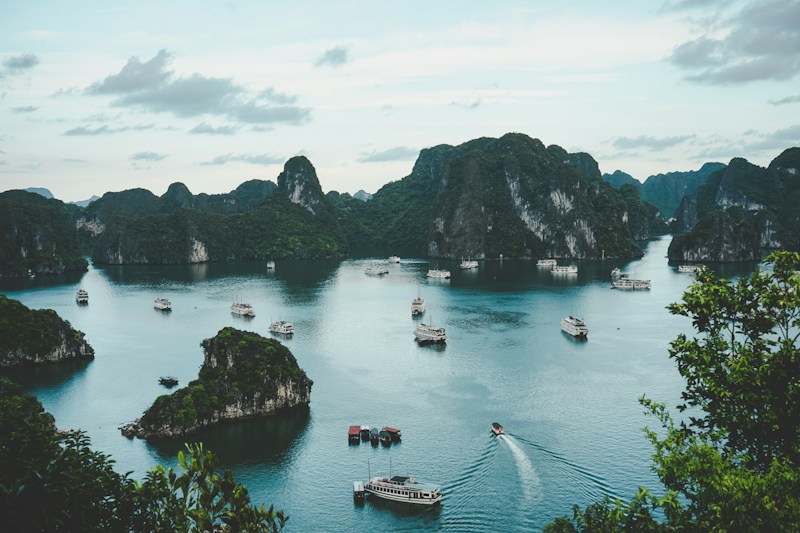
Explore Vietnam
Journey through emerald bays, ancient towns, and vibrant cities.

Experience Tokyo
Immerse yourself in the fascinating blend of ultra-modern and traditional.
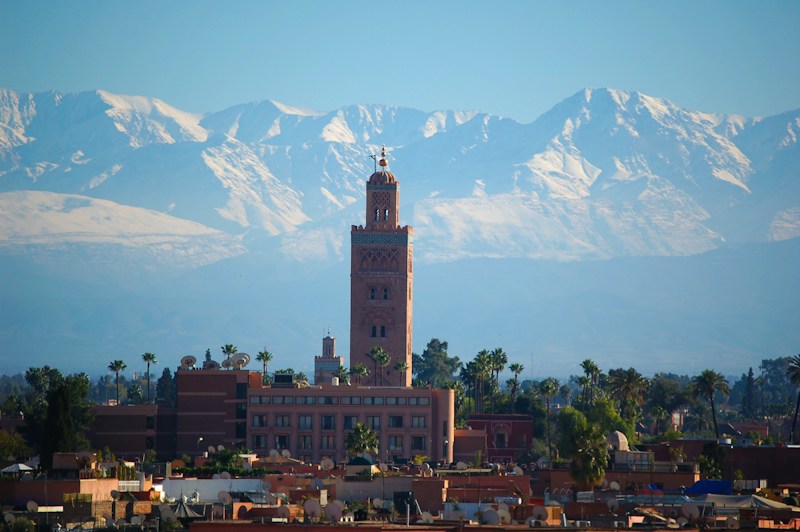
Explore Marrakech's Medina
Navigate the sensory maze of Morocco's most vibrant city.

Explore Angkor Wat
Discover the ancient temples of the Khmer Empire in the Cambodian jungle.