Explore Angkor Wat
From $600

Explore Angkor Wat
Discover the ancient temples of the Khmer Empire in the Cambodian jungle.
At a Glance
$600+
3-5 days
Siem Reap, Cambodia
November to February
About This Experience
Angkor Wat rises from the Cambodian jungle like a vision—five towers arranged in the shape of a lotus bud, surrounded by a moat that reflects the temple's silhouette in the pre-dawn darkness, the largest religious monument ever constructed by human hands. But Angkor Wat is merely the centerpiece of a complex that includes dozens of temples, reservoirs, and cities spread across 400 square kilometers of forest, the remains of an empire that dominated Southeast Asia from the 9th to 15th centuries. Exploring this archaeological marvel means wandering through a civilization's dreams frozen in stone. The Khmer Empire at its peak controlled territory from southern Vietnam to Myanmar, ruled by god-kings who expressed their divine authority through ever-more-ambitious construction projects. Suryavarman II built Angkor Wat in the early 12th century, dedicating it to Vishnu and designing it as both temple and eventual funerary monument. The structure's five towers represent Mount Meru, home of the gods in Hindu cosmology, while the surrounding moat represents the primordial ocean. Every element carries symbolic significance—the complex is theology expressed in architecture. The approach builds anticipation masterfully. You cross the moat via a causeway lined with naga (serpent) balustrades, pass through the outer wall, cross a second causeway past the library buildings, and finally climb to the central temple. The galleries along the way contain some of the ancient world's most extensive bas-relief carvings—600 meters of intricate scenes depicting Hindu epics, historical battles, heaven and hell, and the daily life of the Khmer court. The Battle of Kurukshetra panel alone contains thousands of carved figures in complex composition. Sunrise at Angkor Wat has become a pilgrimage in itself. Visitors gather in the thousands before dawn, positioning themselves at the reflecting pools to capture the moment when the sun rises behind the towers, silhouetting them against an orange sky while the water mirrors the scene below. The experience is crowded—this is one of the world's most photographed moments—but the collective anticipation, the slow transformation of darkness into color, and the ancient temple emerging from shadow create genuine transcendence despite the crowds. Beyond Angkor Wat, the greater archaeological park demands multiple days of exploration. Angkor Thom, the last capital city of the Khmer Empire, centers on the Bayon temple with its 216 massive stone faces gazing serenely in all directions. Ta Prohm—the "Tomb Raider temple"—has been left largely as found, with massive silk-cotton trees growing over and through the structures, roots cascading down walls and lifting paving stones, creating a romantic ruin that speaks of time's victory over human ambition. Preah Khan, Banteay Srei with its intricate pink sandstone carvings, the jungle-swallowed temple of Beng Mealea—each site offers distinct character. The restoration and preservation of Angkor has become an international effort. Different countries have adopted different temples for conservation: France at Bayon, Japan at Angkor Wat, Germany at several remote sites. The work involves stabilizing structures, anastylosis (reconstruction using original materials), and managing the tension between preservation and the jungle's constant encroachment. At Ta Prohm, the decision to preserve the tree-temple relationship creates ongoing challenges—the roots that make the site so photogenic also threaten the structures they embrace. The Khmer story adds poignancy to the ruins. This civilization built monuments that rivaled anything in medieval Europe, developed sophisticated hydraulic engineering that supported perhaps a million people in greater Angkor, and created art that synthesized Hindu and Buddhist traditions into something distinctly Khmer. Then, sometime in the 15th century, the empire collapsed—possibly through environmental degradation, possibly through Thai invasions, possibly through both. The temples were never entirely forgotten but were largely abandoned to the forest until French explorers "rediscovered" them in the 1860s. Siem Reap, the gateway city, has transformed from a dusty provincial town to a major tourist destination. The night market along Pub Street offers souvenirs ranging from tacky to traditional. Restaurants serve both authentic Khmer cuisine and international comfort food. The Angkor National Museum provides essential context for understanding what you'll see at the temples. The contrast between the ancient grandeur of the temples and the modern tourism infrastructure creates cognitive dissonance that mirrors Cambodia's own journey from the Khmer Rouge horrors to today's cautious prosperity. Practical considerations shape the temple experience. The three-day pass offers the best balance between coverage and cost. A tuk-tuk driver who becomes your companion for multiple days can transform logistics into genuine human connection. Mornings and late afternoons offer the best light and (marginally) smaller crowds. The heat and humidity demand hydration, sun protection, and realistic expectations about how many temples you can meaningfully absorb in a single day. Modesty requirements—covering shoulders and knees—apply at most sites. The crowds at Angkor have become a significant concern. Over two million visitors annually strain infrastructure, erode stonework, and can transform spiritual sites into chaotic photo opportunities. Visiting during shoulder season, arriving early, and seeking out less-famous temples help, but there's no avoiding the reality that Angkor Wat at sunrise now involves sharing the experience with hundreds of fellow pilgrims. Some find this diminishes the experience; others see shared awe as its own form of communion. Walking through Angkor's temples as the light shifts, as the carved stone seems to glow, as you pass from the intensity of noon into the shadowy relief of temple interiors, you feel the weight of ambition and time that these structures represent. The Khmer kings built for eternity, and in some sense they succeeded—their monuments have outlasted their empire, their names, even the religion they originally served. What remains is stone, tree, and the ceaseless parade of visitors seeking connection to something vast enough to dwarf their own fleeting concerns.
Cost Breakdown
Estimated costs can vary based on location, season, and personal choices.
Budget
Basic experience, economical choices
Mid-Range
Comfortable experience, quality choices
Luxury
Premium experience, best options
Difficulty & Requirements
Accessible for most people with basic planning.
Physical Requirements
Good walking ability in heat and humidity
Prerequisites
- Temple pass (1, 3, or 7 days)
Tips & Advice
Sunrise at the main temple is crowded but worth it
Visit Ta Prohm (the "Tomb Raider" temple)
Hire a tuk-tuk driver for multiple days
Dress modestly - shoulders and knees covered
The 3-day pass offers best value
Related Topics
Community Discussion
Ask questions, share tips, or read experiences from others.
View Discussions Start DiscussionShare This Experience
Quick Summary
- Category Travel
- Starting Cost $600
- Time Needed 3-5 days
- Best Season November to February
- Difficulty Moderate
You Might Also Like
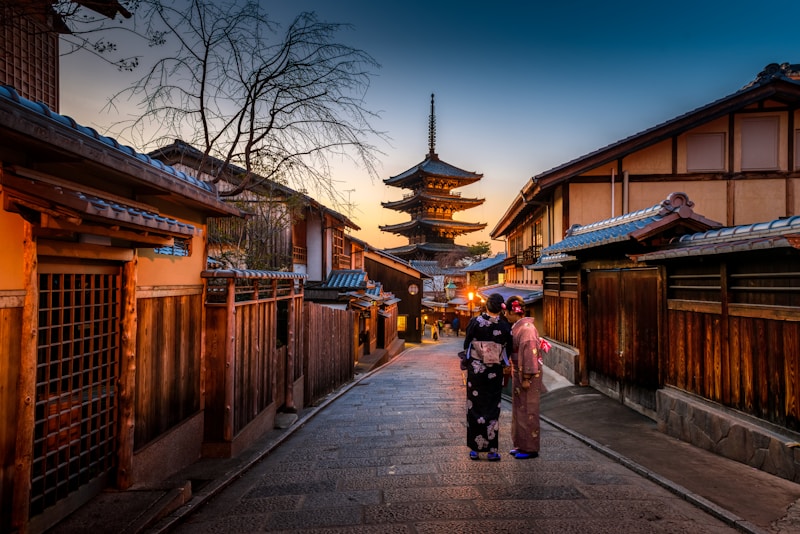
Temple-Hop Through Kyoto
Discover Japan's spiritual heart among thousands of shrines and temples.
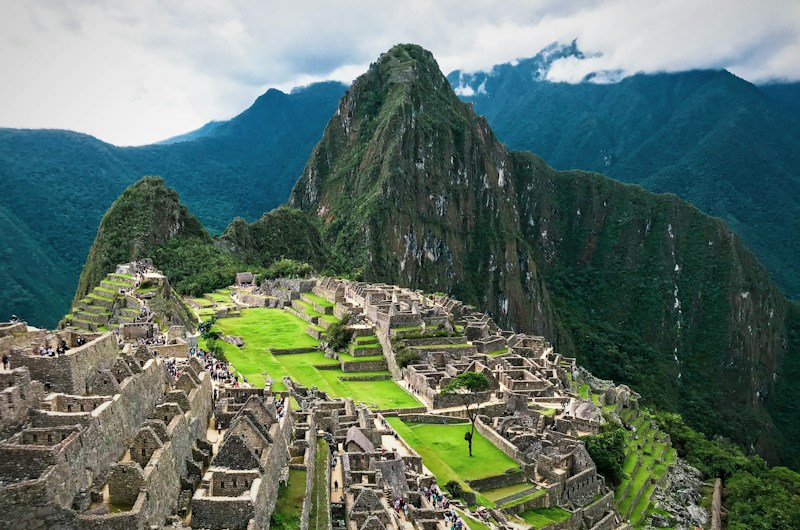
Visit Machu Picchu
Explore the ancient Incan citadel perched high in the Andes Mountains.

Visit Petra, Jordan
Discover the ancient rose-red city carved into desert cliffs.
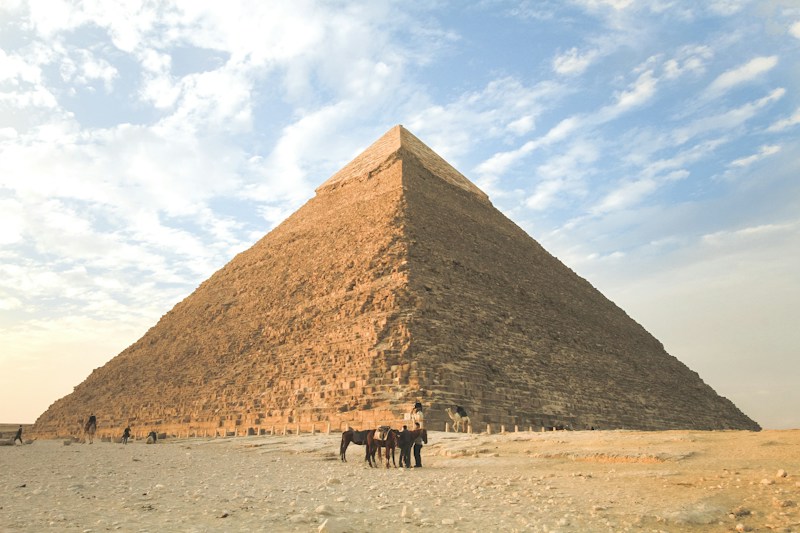
See the Pyramids of Giza
Stand before the last remaining Wonder of the Ancient World.