Experience Rio Carnival
From $2.0k
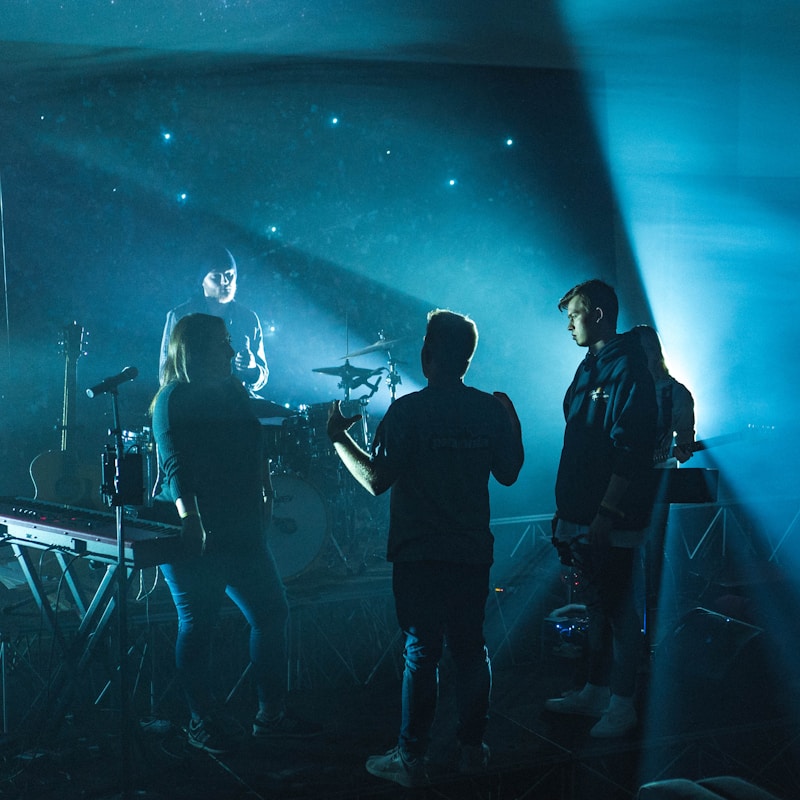
Experience Rio Carnival
Join the world's biggest party with samba, sequins, and spectacular parades.
At a Glance
$2.0k+
5-7 days
Rio de Janeiro, Brazil
February/March (dates vary)
About This Experience
Rio Carnival erupts across Brazil's most famous city in an explosion of samba, sequins, and pure joy that makes all other parties seem restrained. For five days before Lent (typically in February or early March), millions of people take to the streets, parade through the Sambadrome, and dance until their bodies give out—then somehow dance more. This is not a festival you watch; it's one you join, your participation ranging from joining a bloco (street party) in casual clothes to marching in a samba school parade wearing a costume that took months to create. Rio Carnival represents Brazil's national expression of celebration, and experiencing it properly changes your understanding of what celebration can mean. The Sambadrome parades provide Carnival's most famous spectacle—the climax of year-long preparation by competing samba schools (escolas de samba), neighborhood-based organizations that function as social clubs, cultural preservation societies, and competitive sports teams all at once. Each school parades for roughly 80 minutes, presenting a theme through elaborate floats, thousands of costumed dancers, a driving samba beat, and the passista dancers whose athleticism and sensuality define the parade's visual language. The competition for the championship is fierce, with judges scoring on multiple criteria and the results announced days later to reactions that mirror major sports finals. The Special Group parades—the top tier of samba schools—take place over two nights (Sunday and Monday) and represent Carnival's most spectacular achievement. Schools like Mangueira, Portela, Salgueiro, and Beija-Flor deploy thousands of participants, costumes budgeted in millions of reais, and floats that fill the avenue with moving architecture. The Sambadrome itself, designed by Oscar Niemeyer, holds around 90,000 spectators in grandstands facing the parade route, with seats ranging from aluminum benches with limited views to luxury boxes with champagne service. The parade runs through the night—literally, from approximately 9 PM to 6 AM—so stamina matters alongside spectacle. The blocos transform Rio's streets into an archipelago of parties, each with distinct character and music. Some blocos attract crowds numbering in the hundreds of thousands; others remain neighborhood affairs with a few hundred participants. The music might be traditional marchinhas, funk carioca, or whatever the organizing band decides to play. The largest blocos like Cordão da Bola Preta and Sargento Pimenta have become destinations themselves, while smaller ones offer more intimate experiences where you're dancing with neighbors rather than navigating overwhelming crowds. Blocos occur throughout the Carnival period and continue into the days following the official end. Participating in a samba school parade—not just watching but actually marching—is possible for tourists and provides an experience available nowhere else. Most schools sell costumes (fantasias) to visitors who want to join the parade, marching in designated sections called alas. The costume purchase includes a spot in the parade, access to rehearsals leading up to Carnival, and the experience of entering the Sambadrome with thousands of fellow participants while tens of thousands watch from the stands. The costs vary widely based on the school's tier and the costume's elaboration, from a few hundred to several thousand dollars. The rehearsals at samba school quadras (home grounds) provide a more accessible introduction to the culture. Throughout the weeks preceding Carnival, schools hold open rehearsals where visitors can watch, dance, and experience samba in settings less overwhelming than the Sambadrome. The atmosphere is more local than the formal parades—beer is cheap, dancing is encouraged, and the experience provides cultural context that enhances the main event. The practical challenges include the sheer scale of visitation—Carnival attracts millions, and accommodation in Rio (never cheap) reaches peak pricing with reservations required months ahead. Security concerns, while often exaggerated by foreign media, require realistic precautions: don't carry valuables, stay in groups, follow local guidance about which areas to avoid. The heat and humidity of Brazilian summer combine with physical exertion to create conditions demanding hydration, sunscreen, and pacing. Transportation becomes complicated during major blocos, with road closures affecting normal routes. The cultural dimensions extend beyond spectacle. Samba schools originated in Rio's poorest communities, often favelas, and remain based there—the parade represents neighborhoods that rarely receive positive attention presenting their creativity and organization to the world. The themes schools choose often address social issues, Brazilian history, or cultural heritage. Understanding the lyrics, the historical references, and the community connections adds layers that pure visual appreciation cannot provide. The aftermath of Carnival week includes the Parade of Champions (where the top-scoring schools parade again), continuation of blocos, and the slow return to normalcy. Rio doesn't simply switch off—the energy dissipates gradually, with residents recovering from exertions that would exhaust anyone. Carnival demands surrender to rhythms, crowds, and experiences that resist control. The reward for that surrender is participation in human celebration at its maximum expression.
Cost Breakdown
Estimated costs can vary based on location, season, and personal choices.
Budget
Basic experience, economical choices
Mid-Range
Comfortable experience, quality choices
Luxury
Premium experience, best options
Difficulty & Requirements
Accessible for most people with basic planning.
Physical Requirements
Energy for dancing and late nights
Prerequisites
- Book accommodation 6+ months ahead
Tips & Advice
Buy Sambadrome tickets early for best seats
Join a samba school rehearsal beforehand
Blocos (street parties) are free and amazing
Stay safe - don't flash valuables
Recover at Ipanema beach during the day
Community Discussion
Ask questions, share tips, or read experiences from others.
View Discussions Start DiscussionShare This Experience
Quick Summary
- Category Travel
- Starting Cost $2.0k
- Time Needed 5-7 days
- Best Season February/March (dates vary)
- Difficulty Moderate
You Might Also Like
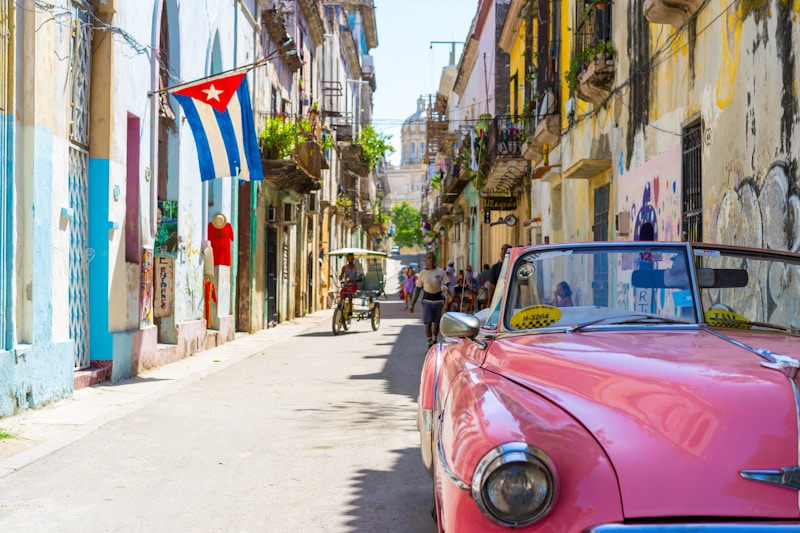
Step Back in Time in Havana
Experience the faded glamour of classic cars, salsa, and Caribbean culture.

Experience Tokyo
Immerse yourself in the fascinating blend of ultra-modern and traditional.
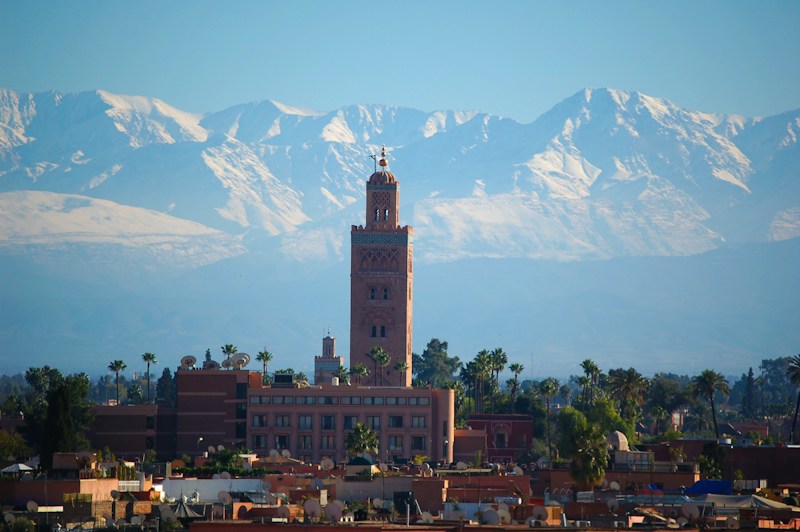
Explore Marrakech's Medina
Navigate the sensory maze of Morocco's most vibrant city.
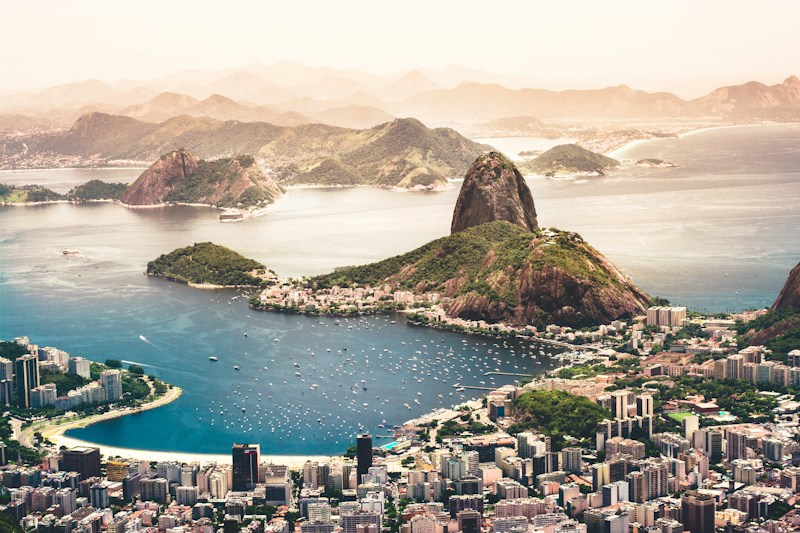
See Christ the Redeemer
Gaze upon Rio de Janeiro from beneath the iconic statue's outstretched arms.