Step Back in Time in Havana
From $1.0k
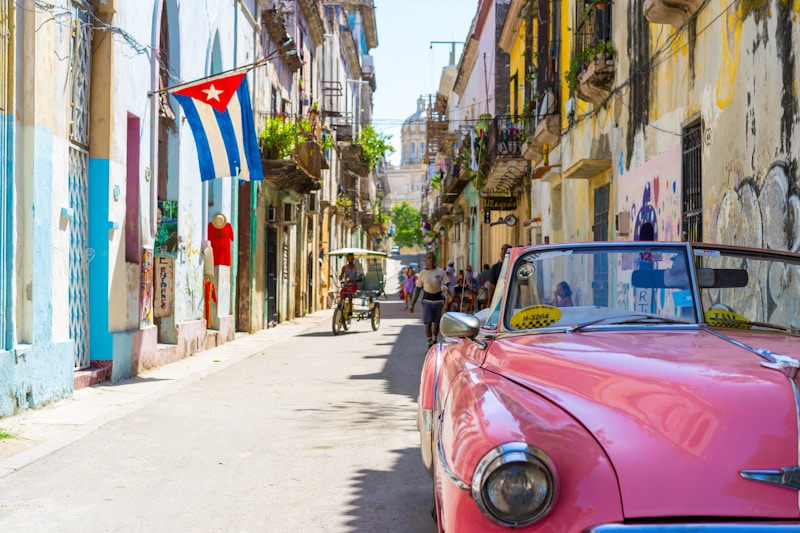
Step Back in Time in Havana
Experience the faded glamour of classic cars, salsa, and Caribbean culture.
At a Glance
$1.0k+
5-7 days
Cuba
November to April
About This Experience
Havana exists in a time slip—a city where 1950s American Chevrolets and Buicks share streets with horse-drawn carts, where crumbling colonial mansions display faded grandeur next to restored gems, where the complexities of revolutionary socialism play out against Caribbean warmth and resilience. This is not a museum of frozen history but a living city where two million people navigate shortages, celebrate survival, and maintain a cultural vibrancy that defies economic limitations. Visiting Havana means encountering contradictions that resist easy resolution. The architecture tells a layered history. Spanish colonial buildings with interior courtyards and ironwork balconies dominate Old Havana (Habana Vieja), a UNESCO World Heritage site where restoration efforts have reclaimed magnificent plazas—Plaza de la Catedral, Plaza Vieja, Plaza de Armas—from decades of decay. Art Nouveau and Art Deco buildings from the early 20th century speak to Cuba's prosperity before the revolution. The Vedado district's mid-century modern buildings, some maintained, some crumbling, recall the era when Havana was the playground of American tourists and the Mafia alike. The classic cars are not theatrical props but practical transportation, maintained through necessity and ingenuity across six decades of American embargo. Soviet-era Ladas mix with pre-revolution American models kept running with improvised parts, hand-machined replacements, and mechanical creativity born of scarcity. A tour in a restored convertible along the Malecón at sunset has become quintessential tourist experience, though locals ride the same vintage vehicles as collective taxis, their practical function unchanged since childhood. The Malecón itself—five miles of seawall curving along Havana's northern coast—functions as the city's living room. Families, lovers, fishermen, and hustlers gather here as the sun sets over the ocean, waves crashing against the barrier, spray mixing with salt air, the crumbling buildings along the shore transformed by golden light into something romantic rather than derelict. This is where Havana breathes, where strangers become acquaintances over shared rum, where the city's social life unfolds against the endless sea. Music permeates Havana's air. Salsa, son, rumba, and reggaeton flow from windows, bars, and street corners at all hours. The Buena Vista Social Club phenomenon introduced global audiences to aging masters of Cuban traditional music, and their successors perform nightly in venues ranging from grand theaters to hole-in-the-wall bars. Taking a salsa lesson, watching live music in a Casa de la Música, or simply walking through Centro Habana at night immerses visitors in rhythms that Cuba has exported worldwide. The food has improved dramatically as paladares (private restaurants) have proliferated under economic reforms. Where visitors once complained of repetitive state-restaurant meals, Havana now offers creative Cuban cuisine, international options, and waterfront seafood. The peso food—street stalls and local cantinas serving Cubans rather than tourists—offers different experiences at radically different prices. Mojitos, originally Hemingway's preferred drink at La Bodeguita del Medio, have become ubiquitous, though daiquiris at El Floridita offer equally strong literary associations. The revolutionary history commands engagement whether sought or not. The Museo de la Revolución, housed in the former presidential palace, presents Cuba's official narrative. Che Guevara's image appears on buildings, t-shirts, and currency. The Bay of Pigs and Cuban Missile Crisis shaped world history just hours from Havana. Understanding—though not necessarily endorsing—how Cubans view their own history enriches any visit beyond the colonial architecture and beach escapism. Casas particulares (private homestays) offer accommodation that connects visitors to Cuban daily life. Families rent rooms legally, serving breakfast and providing insider tips, creating relationships impossible in hotels. The conversations—about rationing, about the dollar economy, about children who've emigrated, about hopes and frustrations—provide windows into Cuban reality that sanitized resorts cannot offer. The practical challenges are real. The dual currency system (recently unified but effects persist), unreliable internet, power outages, and scarcity of goods that tourists take for granted require flexibility. ATMs often don't work for foreign cards; bring cash in currencies other than US dollars. The elaborate bureaucracy surrounding visa regulations, particularly for American visitors, demands research and careful compliance. The hustlers (jineteros) targeting tourists are persistent and can exhaust goodwill. Offers of cigars, taxis, guided tours, and other services are constant in tourist areas. Some are genuine attempts at connection; others are scams. Developing street sense and learning to decline firmly but politely becomes necessary survival skill. Cuba is changing, though predictions of imminent transformation have proven premature for decades. American tourists arrived in unprecedented numbers after 2015's diplomatic thaw, then retreated as policies shifted again. Private enterprise has expanded but faces uncertain future. The generation that made the revolution is passing; what follows remains unclear. Visiting Havana now means witnessing a society in transition, its final destination unknown, its present moment unrepeatable.
Cost Breakdown
Estimated costs can vary based on location, season, and personal choices.
Budget
Basic experience, economical choices
Mid-Range
Comfortable experience, quality choices
Luxury
Premium experience, best options
Difficulty & Requirements
Accessible for most people with basic planning.
Physical Requirements
Minimal
Prerequisites
- Tourist visa (tourist card)
- Check current travel regulations
Tips & Advice
Stay in a casa particular for authentic experience
Take a classic car tour
Bring cash - ATMs are unreliable
Book a salsa lesson
Walk the Malecón at sunset
Community Discussion
Ask questions, share tips, or read experiences from others.
View Discussions Start DiscussionShare This Experience
Quick Summary
- Category Travel
- Starting Cost $1.0k
- Time Needed 5-7 days
- Best Season November to April
- Difficulty Moderate
You Might Also Like

Explore Angkor Wat
Discover the ancient temples of the Khmer Empire in the Cambodian jungle.
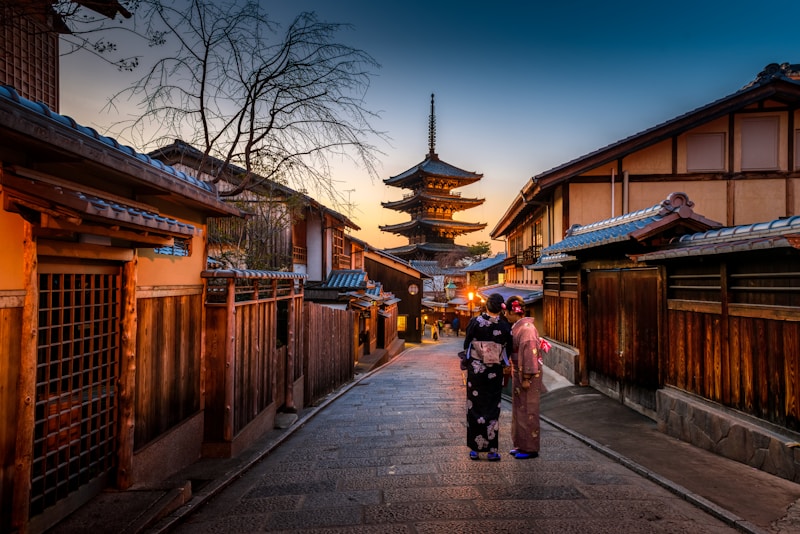
Temple-Hop Through Kyoto
Discover Japan's spiritual heart among thousands of shrines and temples.
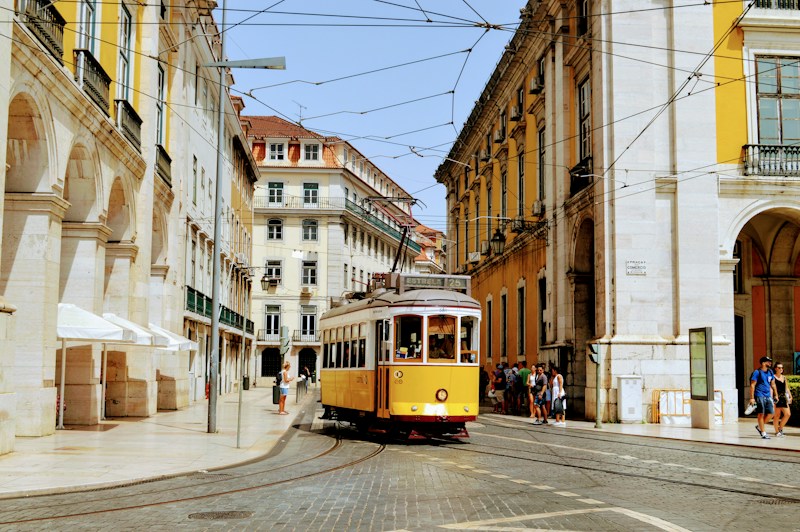
Ride Tram 28 Through Lisbon
Explore the charming hills and neighborhoods of Portugal's capital.
Experience Rio Carnival
Join the world's biggest party with samba, sequins, and spectacular parades.