Bungee Jump
From $100

At a Glance
$100+
2-3 hours
New Zealand, Switzerland, South Africa, Costa Rica
Year-round
About This Experience
Bungee jumping distills adventure into its purest form: you stand on a platform, look down at something far below, and then voluntarily jump. No gradual immersion, no progressive exposure—just the immediate, binary choice between staying safely where you are or committing to the void. The moment of commitment, when your feet leave the platform and gravity claims you, produces a psychological intensity that few other experiences can match. Everything you thought you knew about self-preservation screams no; you jump anyway. The physics are straightforward but terrifying to experience. You freefall for several seconds—long enough for your brain to register genuine fear that nothing will stop you—before the elastic cord begins to stretch, gradually decelerating your descent and then pulling you back upward. The first rebound can lift you nearly back to launch height before gravity reasserts itself and the oscillations continue, gradually diminishing until you hang suspended, blood rushing to your head, processing what you've just done. The entire sequence takes perhaps 30 seconds; the memory persists far longer. The sport emerged from land diving rituals practiced on Pentecost Island in Vanuatu, where men have jumped from wooden towers with vines attached to their ankles for centuries. Modern commercial bungee began in 1988 when A.J. Hackett opened operations at the Kawarau Bridge in Queenstown, New Zealand—a location that remains one of the world's premier jump sites. The industry has since expanded globally, with notable jumps available from bridges, towers, platforms, and even helicopters across six continents. The jump sites divide roughly into height categories. Bridge jumps of 40-60 meters offer intense but manageable experiences suitable for first-timers, with the added visual interest of water rushing below. The Nevis Bungy in New Zealand raises the stakes to 134 meters—nearly 450 feet of freefall that lasts over 8 seconds, providing time to think thoughts you'd rather not have while plummeting earthward. The Macau Tower at 233 meters offers the highest commercial bungee from a building, while specialty jumps from hot air balloons and helicopters remove even the psychological anchor of a solid platform. The safety record for commercial bungee operations is remarkably strong, though the sport carries inherent risks that cannot be eliminated entirely. Equipment failures are vanishingly rare at reputable operations; the primary risks involve pre-existing medical conditions (neck and back problems, heart conditions, eye issues that high blood pressure can exacerbate) that participants must honestly disclose. The harness systems, elastic specifications, and safety protocols have been refined over decades of operation. Choosing established operators with strong safety records—rather than the cheapest option in tourist areas—represents a sensible precaution. The psychological dimension distinguishes bungee from other adrenaline activities. Unlike skydiving, where you're strapped to an instructor who controls everything, or roller coasters where you're locked in for the ride, bungee requires you to actively choose the jump. Many participants freeze at the platform, unable to make their legs move despite genuine intention to jump. The countdown—three, two, one, bungee—exists partly to override this paralysis, the voice providing external momentum that internal will cannot generate. Some people need multiple approaches before finally committing; some never manage it at all. There's no shame in either outcome. The post-jump sensations include the obvious adrenaline rush but also a quieter satisfaction that persists longer. You asked your body to do something it was designed to avoid, and it complied. The expansion of perceived possibility—if I can do this, what else might I be capable of?—transfers to situations far removed from jumping off bridges. Many regular bungee jumpers describe the activity as therapy as much as thrill-seeking, a periodic reminder that fear and capability exist in different categories. The first jump is the hardest and the best. Subsequent jumps may be higher or more challenging, but that initial experience of overriding every survival instinct to step into nothing holds a purity that repetition cannot reproduce. For that reason alone, bungee deserves its place among the classic bucket-list adventures.
Cost Breakdown
Estimated costs can vary based on location, season, and personal choices.
Budget
Basic experience, economical choices
Mid-Range
Comfortable experience, quality choices
Luxury
Premium experience, best options
Difficulty & Requirements
Requires some preparation, skills, or resources.
Physical Requirements
Generally healthy, weight limits vary
Prerequisites
- No back/neck problems
- No heart conditions
- Not pregnant
Tips & Advice
Queenstown, NZ is the birthplace of commercial bungee
Don't look down - just jump
Nevis Bungy (134m) is iconic
Bridge jumps offer beautiful scenery
The anticipation is worse than the jump
Related Topics
Community Discussion
Ask questions, share tips, or read experiences from others.
View Discussions Start DiscussionShare This Experience
Quick Summary
- Category Adventure
- Starting Cost $100
- Time Needed 2-3 hours
- Best Season Year-round
- Difficulty Challenging
Explore More
You Might Also Like
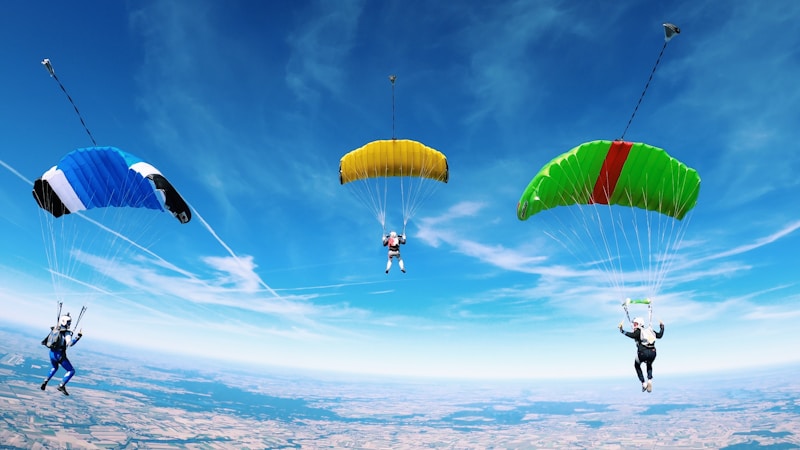
Go Skydiving
Experience the ultimate adrenaline rush by jumping from a plane.
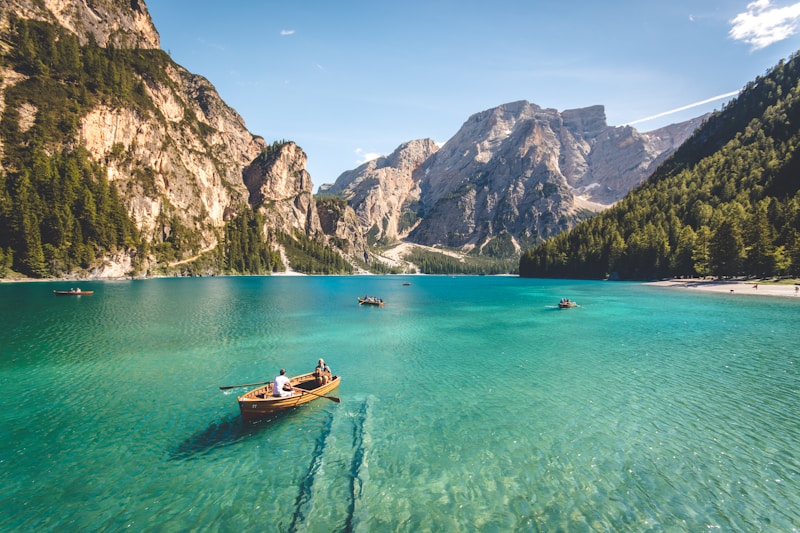
Go Cliff Jumping
Take the leap from cliffs into deep water below.
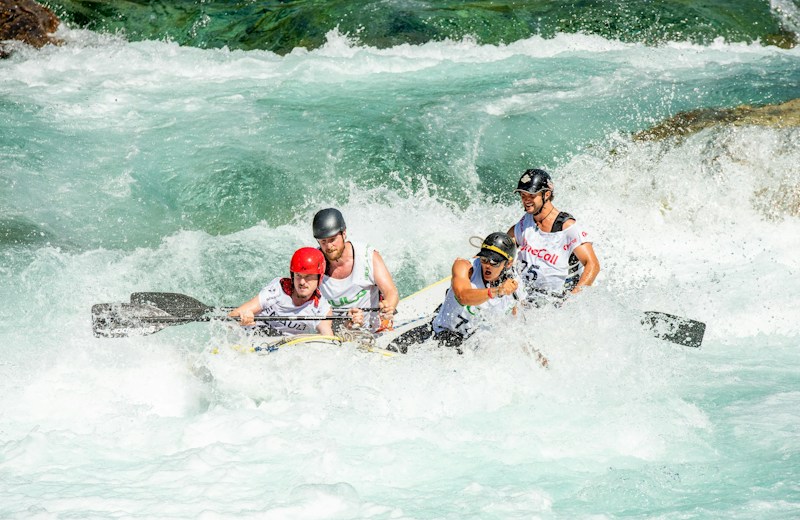
Go White Water Rafting
Navigate churning rapids on an inflatable raft.

Go Paragliding
Soar like a bird with just a parachute and the wind.