Go White Water Rafting
From $75
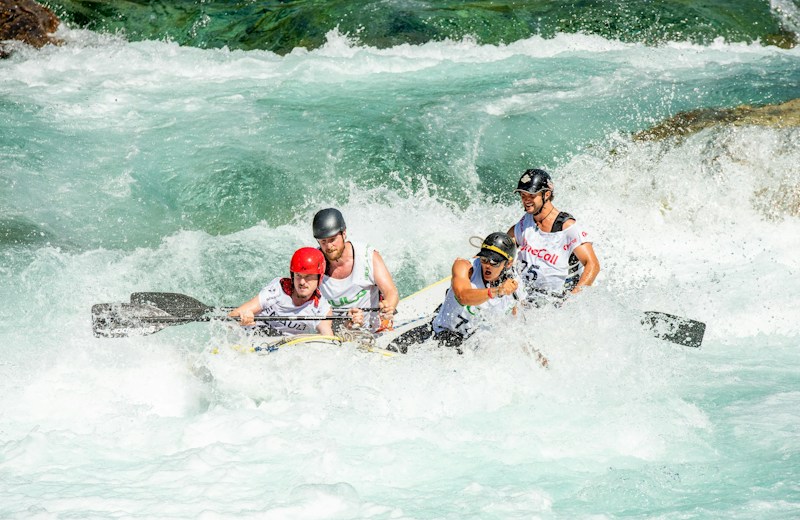
Go White Water Rafting
Navigate churning rapids on an inflatable raft.
At a Glance
$75+
Half to full day
Colorado, West Virginia, Costa Rica, Nepal
Spring for high water, summer for warmth
About This Experience
White water rafting transforms rivers into roller coasters, natural forces into playgrounds, and strangers into teammates. Your inflatable raft charges into churning water, everyone paddling together on the guide's commands, waves crashing over the bow, the boat bucking and spinning through hydraulics that would flip anything less buoyant. For those seconds in the rapid, nothing exists except the water, the paddle, your crewmates, and the immediate task of staying upright and moving forward. Then you emerge into calm water, laughing and high-fiving, already anticipating the next stretch of white water downstream. The international classification system grades rapids from Class I (easy, minimal waves) through Class VI (nearly impossible, extremely dangerous). Class I and II offer gentle introductions suitable for families and beginners—splashing and steering without serious risk. Class III adds significant waves, technical maneuvering, and the genuine possibility of falling overboard. Class IV demands expert guidance and strong paddlers, with consequences for mistakes that can include injury. Class V pushes the limits of what inflatable rafts can navigate; Class VI is essentially unrunnable except by elite specialists in exceptional conditions. The river selection depends on your appetite for excitement and your experience level. The Colorado River through the Grand Canyon represents the ultimate multi-day expedition—up to 18 days through one of Earth's most spectacular landscapes, with rapids ranging from Class II to Class V depending on water levels. The Gauley River in West Virginia packs extreme technical difficulty into single-day trips. The Futaleufú in Chilean Patagonia offers perhaps the world's finest commercial rafting through glacial-blue water. The Zambezi below Victoria Falls combines Class V intensity with African wildlife viewing. Closer to home, nearly every mountain state offers commercial rafting operations on rivers calibrated to various skill levels. The guide determines the experience as much as the river itself. Commercial rafting places you in a boat helmed by someone who has likely run that stretch hundreds of times, who reads water instinctively, who knows exactly when to call commands and when to let the river take you. Good guides combine technical skill with the ability to manage group dynamics, push clients toward their limits without exceeding them, and create memories rather than merely navigating water. The difference between an adequate guide and an exceptional one transforms the same river into entirely different experiences. The teamwork creates something rare in modern life: genuine interdependence with people you may have just met. When the guide yells "all forward," everyone paddles together or the boat spins wrong. When someone falls out, others reach to pull them back in. The shared adrenaline and accomplishment builds bonds quickly—many rafting trips end with exchanges of contact information and promises to do it again. Multi-day river camping trips amplify this effect, the shared meals and campfire conversations layering onto the shared adventure. The seasonal variations matter significantly. Spring snowmelt produces high water with bigger rapids but colder temperatures; late summer offers warmer water but lower flows that can make some rivers less dramatic. The best combination—warm weather with adequate water—varies by region and year. Commercial operators adjust their schedules to optimal conditions, and their expertise in timing represents part of what your fees purchase. The equipment has evolved to maximize both safety and thrills. Modern rafts are remarkably durable and self-bailing. Life jackets (PFDs) keep even non-swimmers at the surface. Helmets protect against rock impacts. Guide training, river rescue equipment, and safety kayakers accompanying commercial trips provide backup when things go wrong. The sport has become safe enough for children and casual participants while remaining genuinely exciting for those seeking stronger sensations. The Grand Canyon represents the bucket-list rafting experience for good reason—nothing else combines the same scale, scenery, and commitment. But shorter trips offer their own intensity and accessibility. A single day on a Class IV river delivers enough adrenaline to satisfy most adventure seekers, and the barrier to entry—showing up, listening to a safety briefing, getting in the boat—is refreshingly low.
Cost Breakdown
Estimated costs can vary based on location, season, and personal choices.
Budget
Basic experience, economical choices
Mid-Range
Comfortable experience, quality choices
Luxury
Premium experience, best options
Difficulty & Requirements
Requires some preparation, skills, or resources.
Physical Requirements
Swimming ability, moderate upper body strength
Prerequisites
- Swimming ability
- No fear of water
Tips & Advice
Class III is exciting but manageable for beginners
Listen carefully to your guide's commands
Wear quick-dry clothing
Secure your sunglasses with a strap
The Colorado River through Grand Canyon is the ultimate
Related Topics
Community Discussion
Ask questions, share tips, or read experiences from others.
View Discussions Start DiscussionShare This Experience
Quick Summary
- Category Adventure
- Starting Cost $75
- Time Needed Half to full day
- Best Season Spring for high water, summer for warmth
- Difficulty Challenging
You Might Also Like
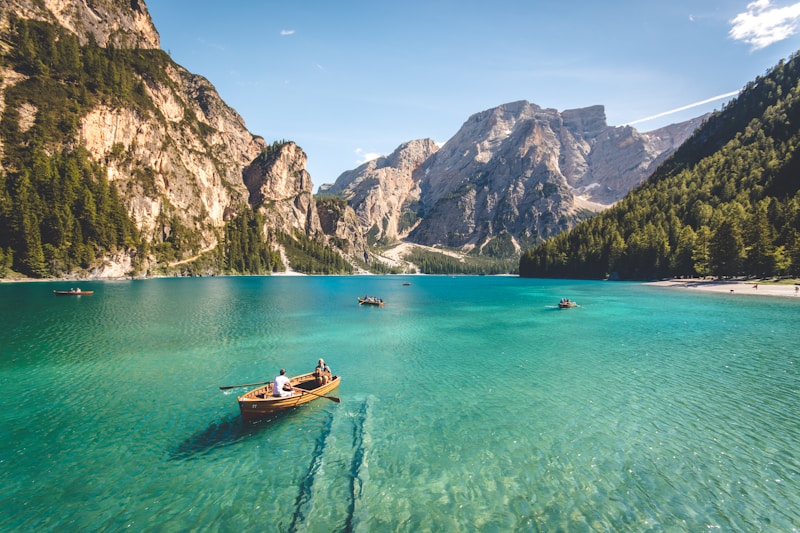
Go Cliff Jumping
Take the leap from cliffs into deep water below.
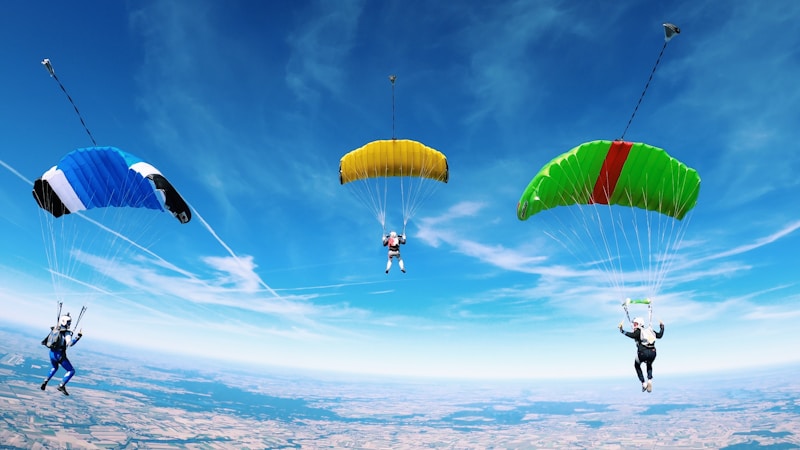
Go Skydiving
Experience the ultimate adrenaline rush by jumping from a plane.

Bungee Jump
Take the leap and freefall before bouncing back.

Go Paragliding
Soar like a bird with just a parachute and the wind.