Go Cave Diving in Mexican Cenotes
From $300
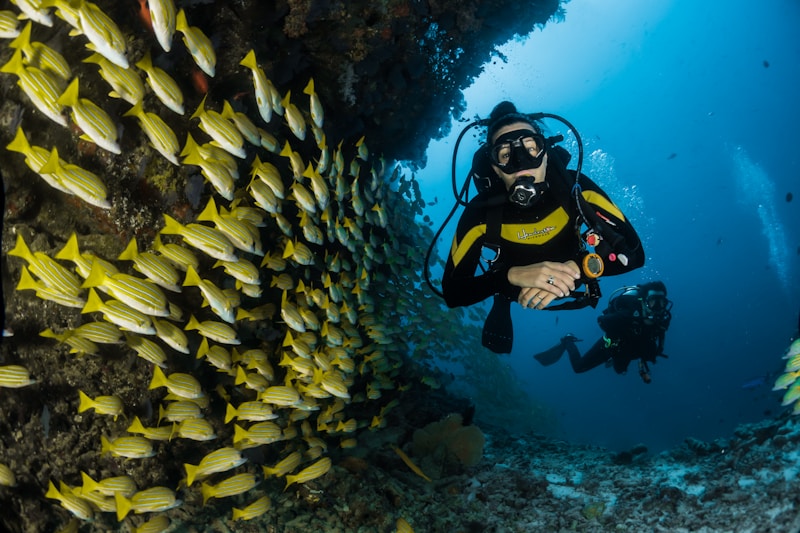
Go Cave Diving in Mexican Cenotes
Explore underwater cave systems in the Yucatan.
At a Glance
$300+
1-5 days
Yucatan Peninsula, Mexico
Year-round
About This Experience
Cave diving in Mexico's cenotes provides access to the world's longest underwater cave systems, where crystal-clear water reveals formations that have developed over millions of years in darkness. The cenotes—natural sinkholes that expose the Yucatan's underground river systems—serve as entry points to a labyrinth that stretches for hundreds of kilometers beneath the jungle floor. Sistema Sac Actun alone spans over 370 kilometers of surveyed passages, making it Earth's longest underwater cave and one of the most extensive cave systems of any type. The water clarity in Yucatan cenotes approaches the theoretical maximum for natural water bodies. Visibility often exceeds 100 meters (330 feet), creating diving conditions where entire cave passages remain visible from entrance to distant terminus. The clarity results from limestone filtration and the absence of sediment disturbance in passages that few humans visit. This visibility distinguishes Mexican cenote diving from most cave diving worldwide, where murky water compounds the navigation challenges of overhead environments. The cavern diving that most cenote visitors experience involves staying within the "light zone"—the area where natural light from the cenote entrance remains visible at all times. This cavern diving requires only an Open Water certification and cavern specialty training, keeping divers in relatively safe territory where surface access remains visible. The experience still impresses: swimming through cathedral-sized chambers, observing stalactites that formed when these caves were dry (during ice ages when sea levels dropped), and experiencing the distinctive halocline where fresh and salt water mix in shimmering boundaries. Full cave diving—penetration beyond the light zone into true overhead environments—demands extensive training, specialized equipment, and conservative procedures developed through fatal trial and error. The cave diving community has learned its lessons through tragedy; the safety protocols now taught represent hard-won wisdom from incidents where divers entered caves with inadequate preparation and never emerged. The training progression—Cavern, then Intro to Cave, then Full Cave certification—typically requires 100+ dives and multiple course sequences before genuine cave penetration. The equipment configuration for cave diving differs substantially from recreational diving. Redundant systems provide backup for every critical function: dual tanks with independent regulators, multiple lights with hours of burn time, guideline reels and cookies for marking routes, and staging procedures for complex penetrations. The configuration evolved specifically for the consequences of equipment failure in overhead environments where direct ascent to the surface is impossible. The cenote experience extends beyond diving into the broader context of Yucatan ecology and Mayan culture. Many cenotes held sacred significance for the Maya, serving as entrances to the underworld and sites for ritual offerings. Artifacts recovered from cenote depths have transformed understanding of Mayan civilization. The modern diving access to these sites carries responsibility for preservation alongside the privilege of exploration. The diving logistics in the Riviera Maya region have developed extensively. Tulum and Playa del Carmen serve as base camps for dozens of cenotes within driving distance. Some cenotes feature developed infrastructure with changing facilities and concrete steps; others require jungle treks and descents through root-covered openings. The range of experiences available—from accessible cavern dives suitable for advanced open water divers through exploration dives in uncharted passages—accommodates interests from casual tourism through serious technical diving. The transformative potential of cenote diving stems from the combination of beauty and risk. Swimming through spaces that light has never reached, observing formations that humans may never have seen before, and experiencing the focused awareness that cave environments demand—these elements create experiences that standard recreational diving cannot match. The cenotes offer accessible introduction to cave diving's rewards, while their depths hold challenges that occupy the world's most experienced cave divers.
Cost Breakdown
Estimated costs can vary based on location, season, and personal choices.
Budget
Basic experience, economical choices
Mid-Range
Comfortable experience, quality choices
Luxury
Premium experience, best options
Difficulty & Requirements
Expert level. Extensive preparation, skills, and resources needed.
Physical Requirements
Advanced diving fitness, excellent buoyancy
Prerequisites
- Open Water + Cavern certification minimum
- Full Cave certification for penetration
Tips & Advice
Start with cavern diving within light zone
Full cave certification requires 100+ dives
The fatality rate for untrained divers is high
Sistema Sac Actun is the world's longest underwater cave
Tulum/Playa del Carmen are the hub
Community Discussion
Ask questions, share tips, or read experiences from others.
View Discussions Start DiscussionShare This Experience
Quick Summary
- Category Adventure
- Starting Cost $300
- Time Needed 1-5 days
- Best Season Year-round
- Difficulty Extreme
You Might Also Like
Go Skydiving
Experience the ultimate adrenaline rush by jumping from a plane.

Bungee Jump
Take the leap and freefall before bouncing back.
Get Scuba Certified
Unlock the underwater world with your open water certification.
Cage Dive with Great White Sharks
Come face-to-face with the ocean's apex predator.