Road Trip Route 66
From $2.0k
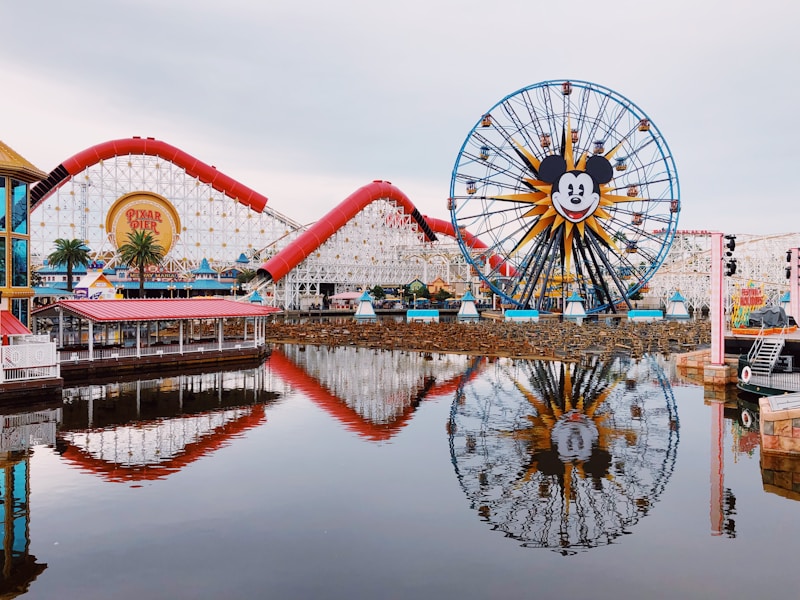
Road Trip Route 66
Drive the iconic "Mother Road" from Chicago to Santa Monica.
At a Glance
$2.0k+
2-3 weeks
USA (IL, MO, KS, OK, TX, NM, AZ, CA)
Spring or Fall
About This Experience
Route 66 is more than a road—it's a journey through the American psyche, a 2,448-mile ribbon of asphalt that connected the heartland to the Pacific and carried the dreams of generations westward. Established in 1926 as one of the original highways in the U.S. Highway System, it became the path of Dust Bowl migrants seeking California's promise, the route of post-war families discovering automobile tourism, and eventually a symbol of freedom and possibility that transcends its practical purpose. The Mother Road, as John Steinbeck christened it in "The Grapes of Wrath," runs from Chicago's Lake Shore Drive to the Santa Monica Pier, passing through Illinois, Missouri, Kansas, Oklahoma, Texas, New Mexico, Arizona, and California. Each state offers distinct character: the farmlands of Illinois giving way to the Ozark hills of Missouri, the brief corner of Kansas, the rolling plains of Oklahoma, the Texas Panhandle's stark beauty, New Mexico's high desert and Native American heritage, Arizona's painted landscapes, and California's Mojave Desert before the final descent to the sea. Driving Route 66 today requires intention. The interstate highway system, completed in the 1980s, bypassed most of the original route, leaving small towns to wither and neon signs to fade. But this decay is part of the appeal—you're driving through living history, past ghost towns and survivors alike, witnessing both what America was and what remains. Some stretches of original road are well-preserved; others require detective work to find, accessed via frontage roads and county highways that parallel the interstates. The towns along the route have become time capsules. Pontiac, Illinois, preserves Route 66 murals and memorabilia. Springfield, Missouri, offers the Fantastic Caverns drive-through cave. Oklahoma City's stretch features the remarkable Round Barn and the National Route 66 Museum. Amarillo, Texas, presents the Cadillac Ranch art installation—ten vintage Cadillacs buried nose-first in a field, constantly evolving under layers of spray paint left by visitors. Tucumcari, New Mexico, maintains its classic neon signage, glowing at dusk like a portal to 1955. The food deserves its own pilgrimage. Route 66 is lined with surviving diners, drive-ins, and roadside stands that serve food largely unchanged from their mid-century heyday. The Cozy Dog Drive In in Springfield, Illinois, claims to have invented the corn dog. The Big Texan in Amarillo challenges travelers to consume a 72-ounce steak for free. The Midpoint Café in Adrian, Texas, marks the exact halfway point with pie and atmosphere. These aren't chain restaurants with corporate consistency—each represents someone's livelihood, often spanning generations, serving food made with pride to travelers who appreciate the stop. The roadside attractions embody a form of American folk art that the interstate era nearly killed. The Blue Whale of Catoosa, Oklahoma—a massive whale-shaped structure built by a man for his wife's amusement—has become iconic. The Wigwam Motels, with their concrete teepee rooms, appear in both Arizona and California. The world's largest rocking chair, the giant kachina dolls, the dinosaur statues—these were attempts by small business owners to capture attention in an era before GPS and Yelp, when travelers chose stops based on what caught their eye from the road. The desert sections of Route 66 reveal America's stark beauty. The Painted Desert's mineral-streaked hills, the Petrified Forest's ancient stone logs, Arizona's meteor crater, the cool pines around Flagstaff before descending into the Mojave—the landscape shifts constantly, rewarding those who take time to stop and absorb rather than merely drive through. The sunset over the desert, viewed from some small town's main street as neon signs flicker to life, provides moments of genuine transcendence. Planning a Route 66 trip requires balance between coverage and immersion. You can drive the entire route in two weeks, but three weeks allows time to actually experience rather than merely check off locations. Some stretches are more rewarding than others—the Oklahoma-to-Arizona segment arguably offers the most concentrated Route 66 character, while the Illinois segment provides important historical context. Many travelers drive east-to-west, following the path of westward migration and the setting sun. The communities along Route 66 have embraced heritage tourism as their salvation. Local museums, preservation societies, and business owners work to maintain the route's character and welcome travelers seeking something beyond the homogenized interstate experience. Your spending at these locally-owned businesses directly supports the preservation of what you came to experience—this is tourism as conservation. Driving Route 66 offers something increasingly rare: genuine discovery. Without the predetermined suggestions of algorithms, you make choices based on whim and curiosity. That unmarked road might lead somewhere fascinating or nowhere at all. That faded sign might advertise something long closed or still serving the best pie in three states. The uncertainty is the point—you're not following a route optimized for efficiency but exploring a landscape shaped by decades of dreamers, survivors, and travelers who came before you. The Mother Road represents an America that largely no longer exists—small towns thriving on through-traffic, family businesses competing on character rather than corporate backing, a time when the journey itself was the destination. Driving it today is part nostalgia, part archaeology, and part hope that some things worth preserving can survive. When you finally reach the Santa Monica Pier and look back east, you understand why this road captured imaginations for nearly a century: it offered the promise that something better lay ahead, just down the road.
Cost Breakdown
Estimated costs can vary based on location, season, and personal choices.
Budget
Basic experience, economical choices
Mid-Range
Comfortable experience, quality choices
Luxury
Premium experience, best options
Difficulty & Requirements
Accessible for most people with basic planning.
Physical Requirements
Ability to drive long distances
Prerequisites
- Valid driver's license
- Reliable vehicle or rental
Tips & Advice
Don't rush - the stops are the point
Book motels in advance during peak season
Fill up on gas in remote areas
Download offline maps
Try the local diners
Related Topics
Community Discussion
Ask questions, share tips, or read experiences from others.
View Discussions Start DiscussionShare This Experience
Quick Summary
- Category Travel
- Starting Cost $2.0k
- Time Needed 2-3 weeks
- Best Season Spring or Fall
- Difficulty Moderate
You Might Also Like
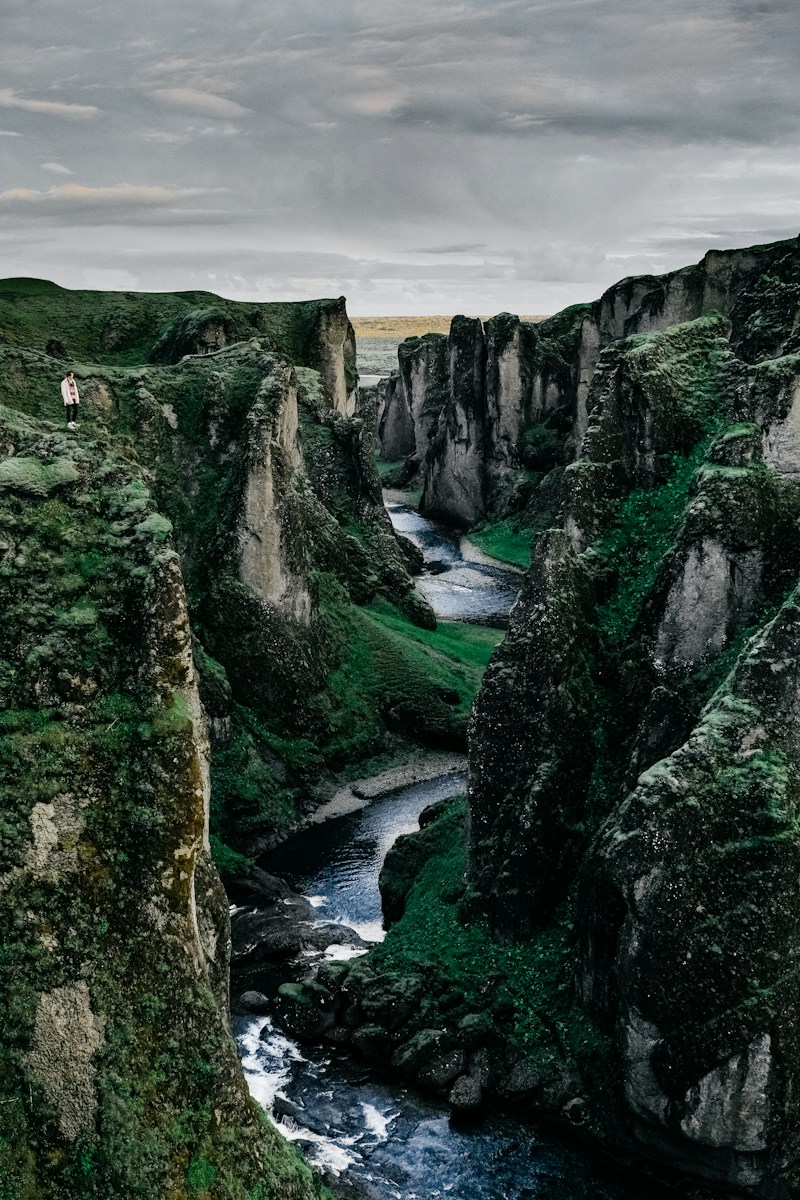
Drive Iceland's Ring Road
Circle the entire island through otherworldly volcanic landscapes.
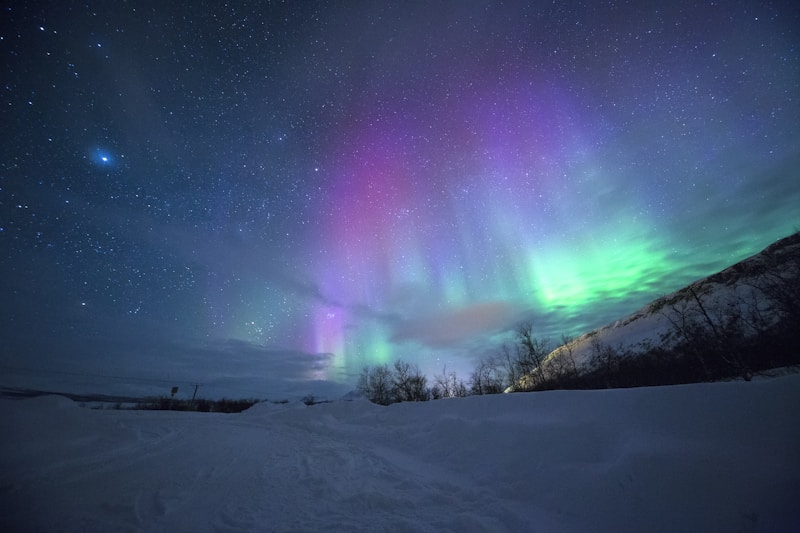
See the Northern Lights
Witness the magical aurora borealis dancing across the night sky.
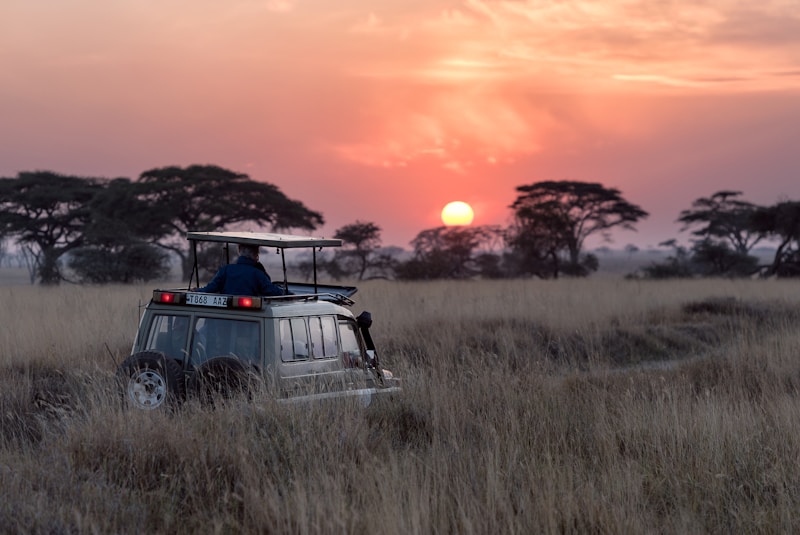
Go on an African Safari
Witness the Big Five and the great migration in their natural habitat.
Explore Santorini, Greece
Wander through whitewashed villages perched on volcanic cliffs.