Road Trip New Zealand
From $3.0k
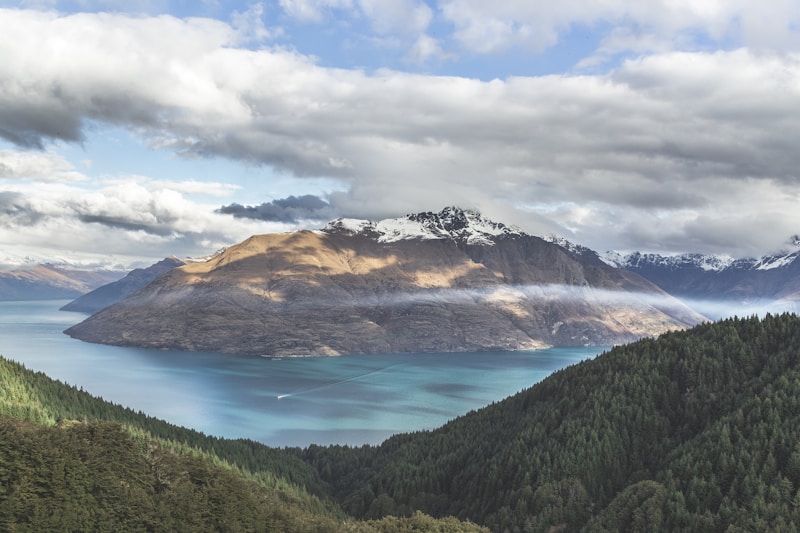
Road Trip New Zealand
Drive through Middle-earth's stunning mountains, fjords, and rolling hills.
At a Glance
$3.0k+
2-4 weeks
New Zealand
December to February (summer)
About This Experience
New Zealand exists at the edge of the inhabited world—two islands rising from the South Pacific where tectonic forces, volcanic activity, and glacial carving have created landscapes of staggering diversity. Within a few hours' drive, you can move from rainforest to alpine peaks, from geothermal wonderlands to fjords that rival Norway's, from surf beaches to glacier-fed lakes of impossible blue. That this variety fits into a country smaller than Colorado makes it perhaps the world's most efficient destination for natural beauty. The North Island offers volcanic drama and Māori culture. Rotorua's geothermal activity fills the air with sulfur and provides the closest thing to wandering through an alien planet—boiling mud pools, erupting geysers, and brilliantly colored hot springs that demonstrate Earth's creative power. Tongariro National Park, a UNESCO World Heritage site, contains three active volcanoes and hosts the Tongariro Alpine Crossing, often called one of the world's best day hikes, traversing emerald lakes, red craters, and steam vents that remind you the earth beneath is very much alive. Auckland, New Zealand's largest city, sprawls across an isthmus between two harbors, its skyline dominated by the Sky Tower and its identity shaped by a passion for sailing that earned it the nickname "City of Sails." The Bay of Islands to the north offers subtropical waters, historic sites from early European-Māori contact, and some of the country's best deep-sea fishing. The Coromandel Peninsula provides beaches, forests, and hot water beach where you can dig your own geothermal pool in the sand. But the South Island is where New Zealand transcends impressive and becomes sublime. The Southern Alps run the island's spine, their glaciers feeding rivers that have carved valleys now filled with lakes of startling blue—the color comes from "rock flour," microscopic particles suspended in glacial meltwater. Queenstown, adventure tourism's world capital, offers bungy jumping, jet boating, skydiving, and countless other ways to accelerate your heartbeat against a backdrop of mountains and lakes that make the adrenaline seem almost reasonable. Milford Sound—actually a fjord—represents New Zealand's most photographed location for good reason. Sheer cliffs rise directly from water so deep that cruise ships seem to float on bottomless darkness. Waterfalls cascade from hanging valleys, sometimes falling directly onto passing boats. The Milford Track, a four-day guided walk, is often called "the finest walk in the world"—and while such superlatives are always debatable, the combination of rainforest, alpine passes, and mountain scenery justifies the hyperbole. The West Coast of the South Island remains wild in ways that developed countries rarely preserve. Franz Josef and Fox Glaciers descend from the Southern Alps nearly to sea level through temperate rainforest—a unique phenomenon where you can walk from palm-like nikau trees to blue ice within hours. The Pancake Rocks at Punakaiki demonstrate the ocean's sculptural power. The entire coast maintains a frontier feeling, with small towns separated by long stretches of forest and mountain. Driving in New Zealand demands respect and time. The distances look manageable on maps, but winding mountain roads, single-lane bridges, and the constant temptation to stop for photographs extend journey times significantly. Allow at least two weeks to road trip both islands meaningfully, three if you plan to hike any of the Great Walks. Drive on the left, watch for sheep on rural roads, and accept that 200 kilometers might take four hours—those four hours will include some of the most beautiful driving you've ever done. The Māori culture that predates European arrival by centuries remains vital to New Zealand's identity. Cultural performances at traditional marae (meeting grounds) include the haka (war dance) and share stories that connect present-day Māori to their Polynesian voyaging ancestors. Place names throughout the country reflect Māori language—learning a few basic words enriches the experience and demonstrates respect. The Treaty of Waitangi, signed in 1840 between Māori chiefs and the British Crown, continues to shape New Zealand's social and political landscape. Outdoor activities define the New Zealand experience. The Great Walks—nine multi-day tramping tracks maintained by the Department of Conservation—showcase the country's diversity, from the volcanic Tongariro Northern Circuit to the rainforest Abel Tasman Coast Track to the alpine Routeburn Track. Bookings open months in advance and fill quickly during peak season. Beyond the Great Walks, thousands of kilometers of shorter trails and backcountry routes provide options for every fitness level. Wildlife encounters offer something unique. New Zealand's long isolation created an ecosystem of flightless birds that evolved without mammalian predators—until humans arrived with rats, possums, and stoats that devastated endemic species. Conservation efforts now protect remaining populations of kiwi, kakapo, takahe, and other species found nowhere else. Night tours for kiwi spotting, predator-free island sanctuaries, and mainland "islands" surrounded by pest-proof fencing all provide opportunities to see creatures that represent evolutionary paths not taken elsewhere. New Zealand earned global attention as Middle-earth, and the Lord of the Rings filming locations have become pilgrimage sites for fans. Hobbiton in Matamata recreates the Shire in meticulous detail. Tongariro doubles as Mount Doom. Fiordland provided countless dramatic backdrops. But the films succeeded because they filmed actual locations, not because they created artificial ones—the landscapes that represented Middle-earth exist independently of that fiction, available to anyone who makes the journey.
Cost Breakdown
Estimated costs can vary based on location, season, and personal choices.
Budget
Basic experience, economical choices
Mid-Range
Comfortable experience, quality choices
Luxury
Premium experience, best options
Difficulty & Requirements
Accessible for most people with basic planning.
Physical Requirements
Varies based on activities
Prerequisites
- International driving permit
Tips & Advice
Don't underestimate driving times - roads are windy
Book Great Walks months ahead
Visit both islands - they're very different
Do Milford Sound on a rainy day - the waterfalls are spectacular
Try a bungy jump in Queenstown
Community Discussion
Ask questions, share tips, or read experiences from others.
View Discussions Start DiscussionShare This Experience
Quick Summary
- Category Travel
- Starting Cost $3.0k
- Time Needed 2-4 weeks
- Best Season December to February (summer)
- Difficulty Moderate
Explore More
You Might Also Like
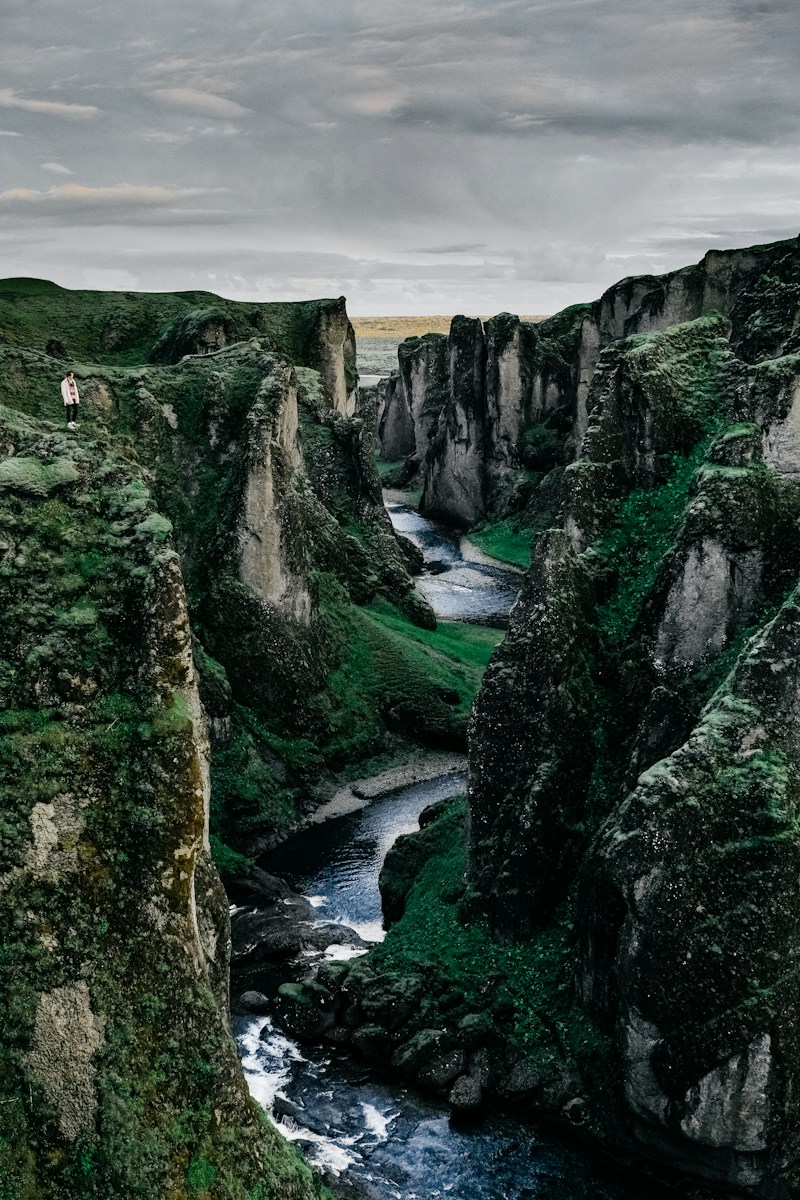
Drive Iceland's Ring Road
Circle the entire island through otherworldly volcanic landscapes.
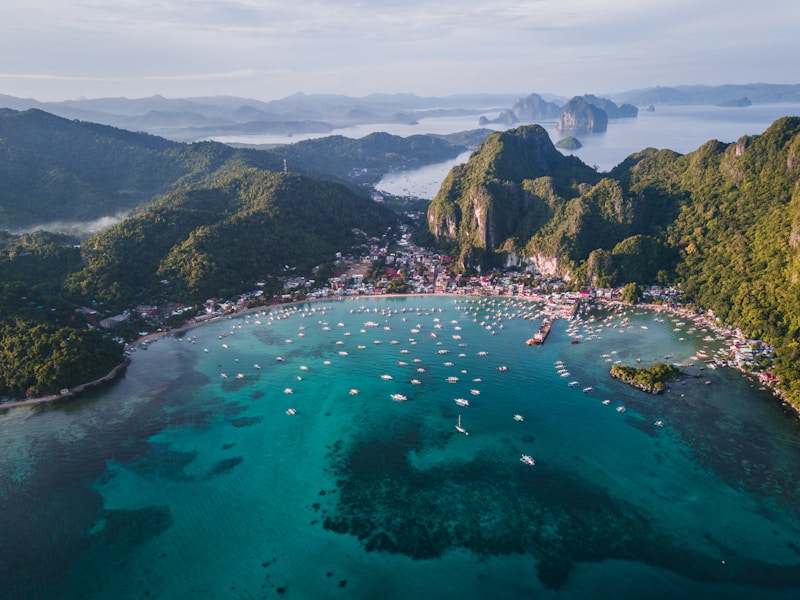
Trek Through Patagonia
Explore the wild, windswept landscapes at the end of the world.
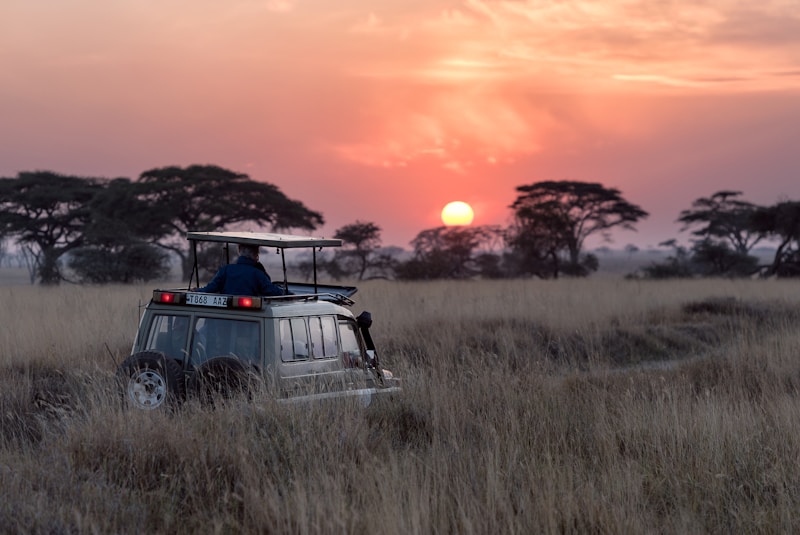
Go on an African Safari
Witness the Big Five and the great migration in their natural habitat.
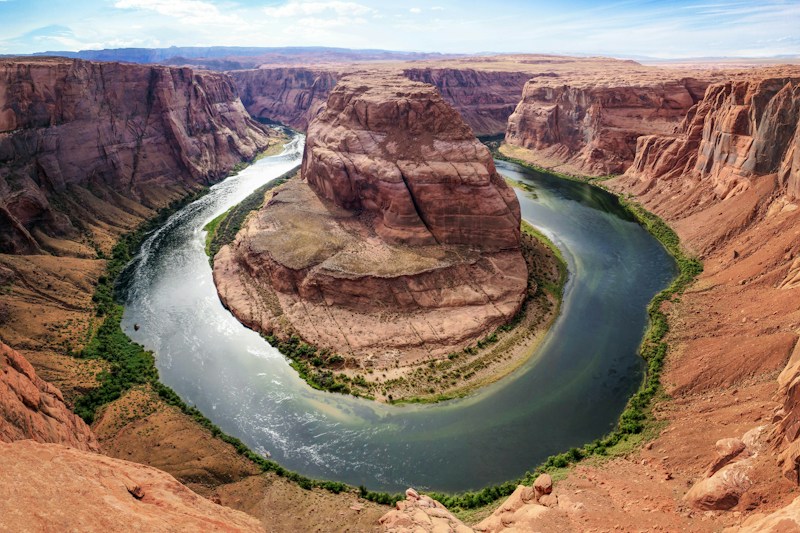
Stand at the Grand Canyon
Marvel at one of Earth's most awe-inspiring natural wonders.