Go Heli-Skiing
From $1.0k
At a Glance
$1.0k+
1 day (often multi-day packages)
British Columbia, Alaska, New Zealand, Switzerland
December to April
About This Experience
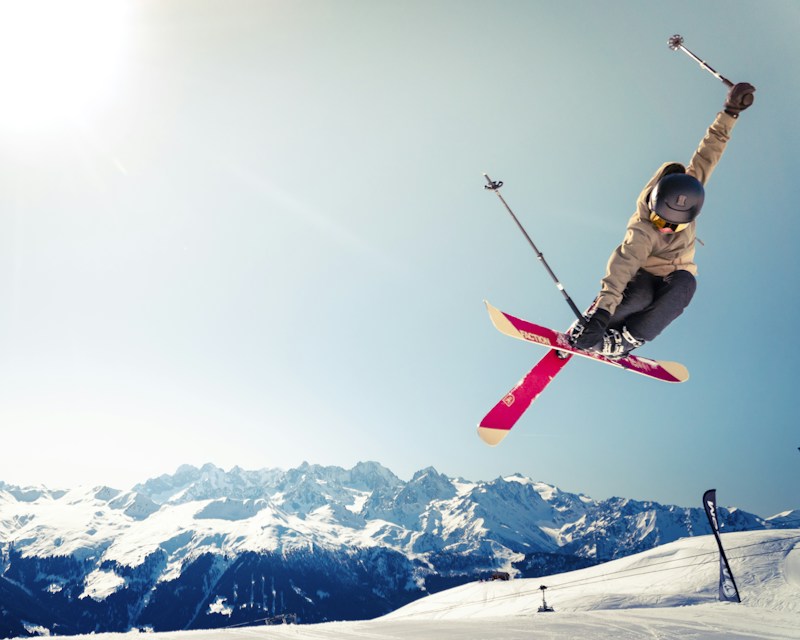
The helicopter door opens onto a ridgeline that no lift has ever accessed, snow stretching untracked in every direction, the nearest groomed run a world away. You step out, your skis sinking into powder that might be knee-deep or deeper, the aircraft lifting away and leaving you in a silence broken only by wind and the anticipation of what comes next: thousands of vertical feet of descent through snow that exists only in dreams at resort mountains. Heli-skiing represents skiing at its most primal—no lines, no crowds, no compromise between what you want to ski and what's available. Just you, your group, and a mountain that yesterday no one had touched. The experience begins with the helicopter itself, which accesses terrain that would require days of climbing to reach on foot. The aircraft rises from staging areas, often in valleys surrounded by peaks, climbing toward ridgelines and bowls that contain the conditions of the day. Guides scout conditions from the air, selecting runs that match both snow quality and group capability. The flight itself—threading between peaks, hovering to view potential lines, finally setting down on a ridge with 360-degree views—provides adrenaline before any skiing begins. British Columbia earned its status as the world's heli-skiing capital through a combination of reliable snowfall, expansive terrain, and pioneering operators who developed the model decades ago. Operations like CMH, Bella Coola, and Northern Escape control tenures—exclusive rights to millions of acres of terrain—that provide variety across weeks of continuous operation. The snowpack here builds deep and stable through the winter; the terrain ranges from gentle glacier bowls to steep, technical descents requiring advanced skills. The skiing itself demands ability beyond what most resort runs require. Powder skiing technique—weight back, continuous turning, feeling the snow rather than fighting it—takes time to develop. The terrain includes hazards—cliffs, tree wells, variable snow conditions—that flat-light or deep snow can obscure. Guides assess conditions and client ability continuously, routing groups through terrain appropriate to their skills. The best days combine deep snow, good visibility, and runs that push your limits without exceeding them. The avalanche safety dimension distinguishes backcountry skiing from resort operations. Heli-ski guides are certified avalanche professionals who analyze snowpack, terrain, and weather to assess risk. Guests carry transceivers, probes, and shovels; practice with this equipment precedes the first run. The guides' job includes keeping groups out of avalanche terrain when conditions warrant—sometimes this means less steep, less dramatic runs than ego would prefer. This safety infrastructure allows accessing terrain that would be irresponsible without it. The alternative access methods include cat-skiing (snowcats climbing rather than helicopters flying) and ski touring (climbing under your own power). Each offers different tradeoffs: cat-skiing costs less and works in weather that grounds helicopters but reaches less terrain; ski touring is far cheaper but requires significant fitness and climbing skills. Heli-skiing remains the most efficient method for maximizing vertical feet of untracked powder in a given day. The cost—typically $1,000-3,000 per day depending on operation and package—positions heli-skiing as a luxury experience. The pricing reflects helicopter operating costs, guide expertise, remote accommodation, and the exclusive access to terrain that makes the experience possible. Most operations offer multi-day packages, recognizing that the travel to reach remote staging areas and the skill development in powder justify extended trips. The addiction potential deserves warning. Resort skiing often feels frustrating after heli-skiing—the crowds, the tracked-out snow, the limited terrain. The bar has been raised in ways that are difficult to un-raise. This isn't necessarily a problem if you can afford continued heli-skiing; it is a problem if one trip was meant to be a once-in-a-lifetime experience. Some activities are best tried with eyes open about their potential to change your standards permanently.
Cost Breakdown
Estimated costs can vary based on location, season, and personal choices.
Budget
Basic experience, economical choices
Mid-Range
Comfortable experience, quality choices
Luxury
Premium experience, best options
Difficulty & Requirements
Expert level. Extensive preparation, skills, and resources needed.
Physical Requirements
Expert skiing ability, excellent fitness
Prerequisites
- Strong intermediate to expert skiing
- Avalanche safety knowledge
Tips & Advice
British Columbia is the heli-skiing capital
Book months in advance
You need to ski black diamonds confidently
Guides assess terrain and conditions carefully
Fat skis are essential for powder
Related Topics
Community Discussion
Ask questions, share tips, or read experiences from others.
View Discussions Start DiscussionShare This Experience
Quick Summary
- Category Adventure
- Starting Cost $1.0k
- Time Needed 1 day (often multi-day packages)
- Best Season December to April
- Difficulty Extreme
Explore More
You Might Also Like
Cross Antarctica on Foot
Ski across the frozen continent to the South Pole.
Go Skydiving
Experience the ultimate adrenaline rush by jumping from a plane.

Bungee Jump
Take the leap and freefall before bouncing back.
Get Scuba Certified
Unlock the underwater world with your open water certification.