Complete a Multi-Day Hiking Pilgrimage
From $500
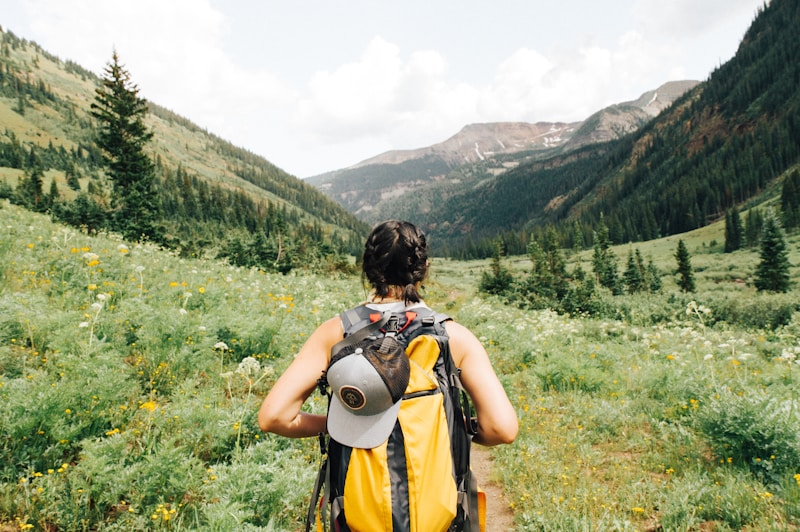
Complete a Multi-Day Hiking Pilgrimage
Walk a significant trail over multiple days.
At a Glance
$500+
3-30+ days
Trail dependent
About This Experience
A multi-day hiking pilgrimage strips life to its most essential elements—walk, eat, sleep, repeat—and in that simplification discovers something profound. Whether you walk the ancient Camino de Santiago across Spain, the rugged trails of the Appalachian or Pacific Crest in North America, or traditional pilgrimage routes in Japan or Britain, extended walking creates a container for transformation that nothing else quite replicates. The body's rhythmic movement, the mind's gradual quieting, and the journey's clear purpose combine to produce insights and healing that shorter adventures rarely access. The appeal of pilgrimage has survived modernity because it meets needs that modern life struggles to address. We live amid complexity, distraction, and fragmented attention. The pilgrimage path offers radical simplicity: one direction, one task, one present moment followed by another. This simplicity isn't impoverishment but relief. When the only decisions are where to eat and where to sleep, mental energy normally consumed by endless choices becomes available for reflection, processing, and presence. Many pilgrims describe feeling more mentally clear after weeks on trail than they've felt in years. The Camino de Santiago remains the world's most popular pilgrimage, drawing hundreds of thousands of walkers annually to traverse northern Spain toward the cathedral where tradition holds that the apostle James is buried. Multiple routes crisscross Europe, with the Camino Frances covering roughly 800 kilometers over thirty-plus days serving as the classic path. The infrastructure of albergues (pilgrim hostels), marked trails, and fellow walkers makes the Camino accessible even for inexperienced hikers. The international community of pilgrims, the ancient history visible in every village church, and the gradual approach to Santiago create an experience that has transformed countless lives across centuries. Preparation for multi-day hiking focuses on both physical readiness and gear optimization. Building hiking endurance over months before departure prevents the injuries and exhaustion that derail unprepared walkers. Starting with shorter hikes and gradually extending distance while wearing your pack teaches what your body needs and what gear works. The hiking itself serves as training for more hiking; there's no substitute for miles logged. Most pilgrimage routes don't require technical climbing skills but do demand the fitness for sustained daily walking with a loaded pack. The gear philosophy for pilgrimage walks centers on weight minimization. Every ounce carried multiplies over thousands of steps daily across weeks of walking. Experienced pilgrims carry ten to fifteen pounds in their packs, including water. This requires ruthless editing: choosing the lightest functional option for every item, eliminating anything not truly essential, resisting the temptation to pack for every possible scenario. The person who arrives at the trailhead with a forty-pound pack will likely mail most of it home within days, if they continue at all. Foot care deserves emphasis beyond what beginning hikers might expect. Blisters, seemingly minor, can end pilgrimages. Proper footwear—well-fitted shoes or boots that have been broken in over many miles before the trip—provides the foundation. Moisture-wicking socks, potentially changed during the day, keep feet drier. Addressing hot spots immediately before they become blisters prevents small problems from compounding. Many experienced pilgrims swear by various preventive measures: taping techniques, lubricants, or simply the toughening that comes with miles. Taking foot care seriously preserves the ability to keep walking. The social dimension of pilgrimage surprises many who expect or seek solitary experience. Fellow pilgrims become companions in ways that differ from ordinary friendship—you share the immediate reality of the path, often opening up to strangers in ways you wouldn't at home. The pilgrimage community includes every type of person imaginable, from devout religious seekers to adventure tourists to those walking through grief or transition. Conversations on trail and in albergues range from trivial to profound. Some pilgrims treasure the social connections as much as the walking itself. The physical challenge of extended walking transforms the body in observable ways. The first week typically brings discomfort as muscles and joints adapt to sustained effort. By the second week, the body finds its rhythm, and what seemed impossible becomes ordinary. By the end of longer pilgrimages, the body has become a hiking machine, covering distances that would have seemed unthinkable at the start. This physical transformation often parallels internal shifts—discovering reserves of endurance you didn't know you possessed changes how you see yourself in all domains. Completing a pilgrimage often proves harder to process than walkers expect. The return to ordinary life after weeks of simplicity and purpose can feel jarring. The insights that seemed so clear on trail may fade without intentional preservation. Many pilgrims recommend journaling during and after the walk, planning reentry carefully, and giving time for integration before resuming full schedules. The pilgrimage's gifts continue revealing themselves for months and years afterward, if you remain open to them.
Cost Breakdown
Estimated costs can vary based on location, season, and personal choices.
Budget
Basic experience, economical choices
Mid-Range
Comfortable experience, quality choices
Luxury
Premium experience, best options
Difficulty & Requirements
Challenging. Significant preparation and commitment required.
Physical Requirements
Good hiking fitness
Prerequisites
- Hiking experience
- Proper gear
Tips & Advice
Start with shorter trails before epic ones
The Camino de Santiago is classic
Pack light - every ounce matters
Mental preparation is as important as physical
The trail community is supportive
Related Topics
Community Discussion
Ask questions, share tips, or read experiences from others.
View Discussions Start DiscussionShare This Experience
Quick Summary
- Category Wellness
- Starting Cost $500
- Time Needed 3-30+ days
- Best Season Trail dependent
- Difficulty Difficult
You Might Also Like
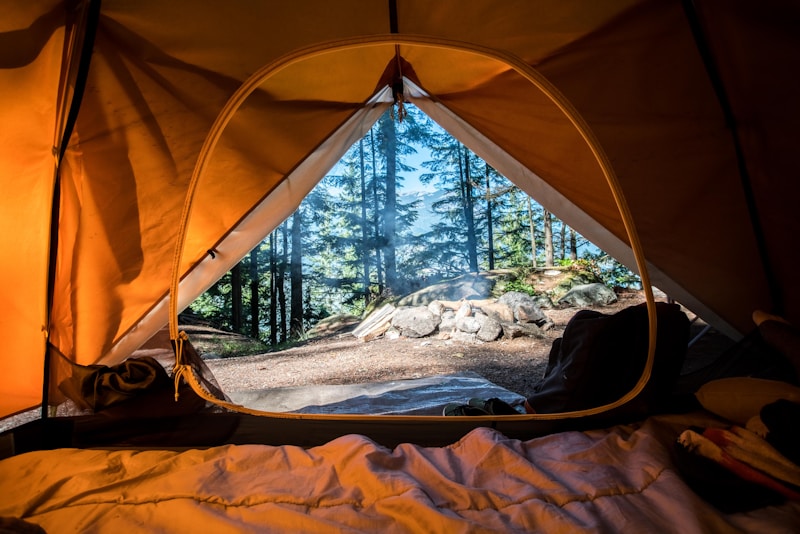
Spend 3 Days Completely in Nature
Disconnect completely and live outdoors.
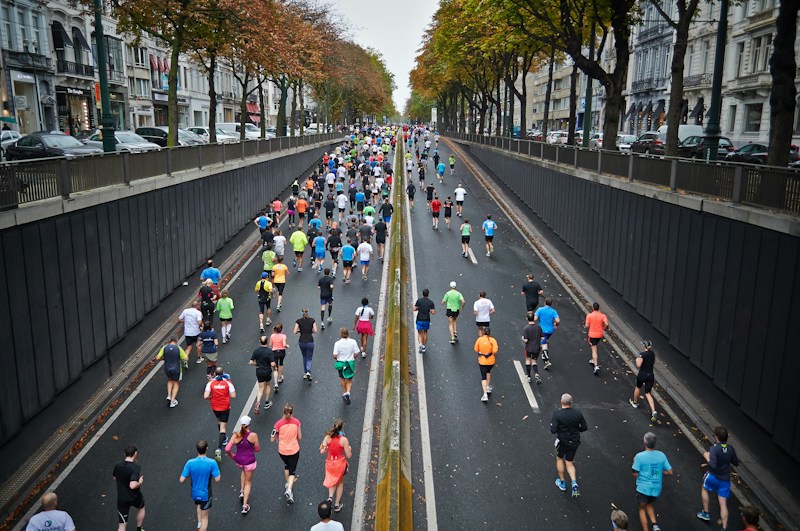
Run a Marathon
Complete the iconic 26.2-mile distance.
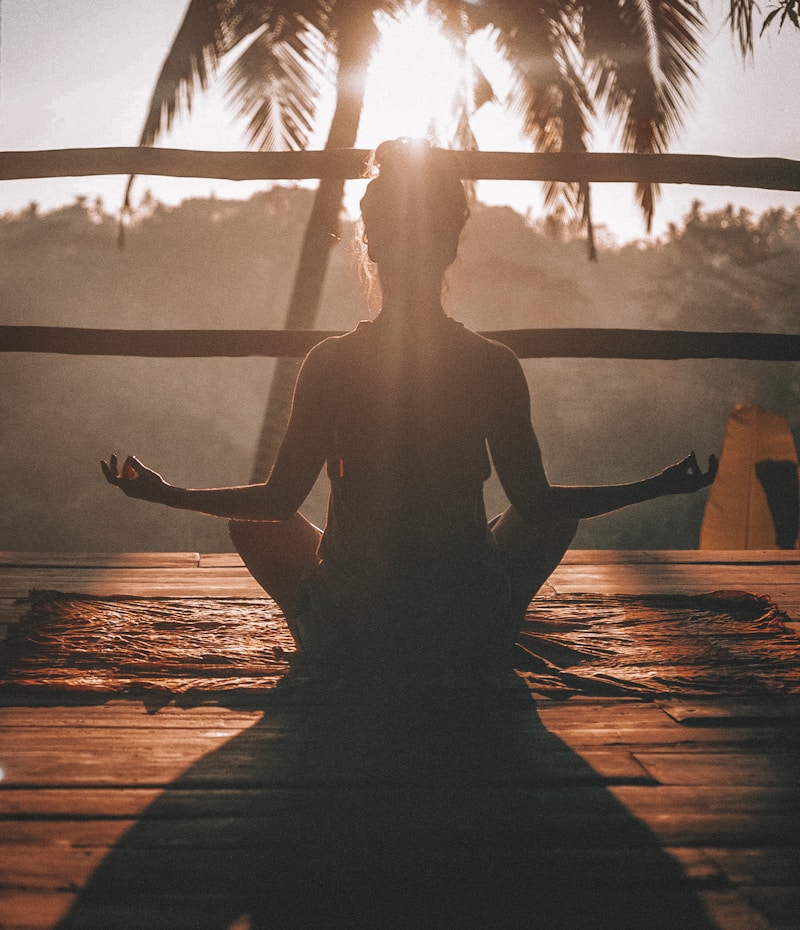
Attend a Silent Meditation Retreat
Spend days in silence, deepening your meditation practice.
Complete Yoga Teacher Training
Deepen your practice through an immersive training program.