Run a Marathon
From $100

At a Glance
$100+
4-6 months training, race day 3-6 hours
Spring or fall races
About This Experience
Running a marathon represents one of the most accessible yet profoundly challenging achievements in endurance athletics, a test that transforms how you understand your own capabilities through months of dedicated preparation followed by 26.2 miles of physical and mental reckoning. The marathon distance, established by legend from the ancient Greek messenger Pheidippides, has evolved into a global phenomenon where hundreds of thousands of ordinary people annually discover extraordinary capabilities within themselves. The training journey matters as much as race day itself. Most marathon training plans span sixteen to twenty weeks, progressively building mileage and introducing long runs that gradually extend toward twenty miles or more. This systematic preparation transforms bodies at the cellular level—increasing mitochondrial density, expanding capillary networks, improving the heart's stroke volume, and teaching muscles to burn fat more efficiently. But the physical adaptation represents only part of the transformation; the mental fortitude developed through months of consistent training, through runs completed despite fatigue or bad weather or busy schedules, proves equally essential to race-day success. The choice of first marathon significantly impacts the experience. Large destination races like New York, Chicago, Berlin, and London offer extraordinary crowd support that carries runners through difficult miles, with spectators lining the entire course and the energy of tens of thousands of fellow participants creating momentum that solo training cannot provide. Smaller regional marathons offer faster logistics, easier entry, and sometimes more scenic courses, though crowd support may thin in rural stretches. Flat courses suit first-timers; hilly races like Boston add difficulty that complicates pacing and depletes legs faster. Race-day execution demands discipline that contradicts instincts. The starting line energy, with thousands of runners surging forward, tempts faster pacing than months of training prepared you for. Experienced marathoners counsel restraint: the race truly begins at mile twenty, when glycogen stores deplete and the infamous "wall" confronts runners with physical and psychological crisis. The miles between twenty and twenty-six test reserves that conservative early pacing has preserved. Those who sprint the first half often walk the second; those who hold back early find strength remaining when others falter. The wall at mile twenty manifests differently for different runners but remains nearly universal among those inadequately prepared. Glycogen—the stored carbohydrate that muscles prefer as fuel—becomes depleted, forcing the body to burn fat and protein at rates insufficient for the pace you've maintained. Legs grow heavy, time seems to slow, and the remaining six miles can feel longer than the preceding twenty. Training long runs teach your body to burn fat earlier, delaying glycogen depletion. Race-day fueling with gels and sports drinks helps but cannot completely prevent the wall if you've run too fast or underprepared. The nutrition and hydration strategies for marathon running require experimentation during training, not race day. Different runners tolerate different products; discovering what your stomach accepts at elevated heart rates demands trial across multiple long runs. The general guidance—take in sixty to ninety grams of carbohydrates per hour during the race—must be personalized through practice. Similarly, hydration needs vary with weather, sweat rate, and individual physiology, making training runs essential for developing race-day protocols. The final miles, for those who manage them properly, can become transcendent. As the finish line approaches—often visible for the final half-mile or more at major races—the body finds reserves that rational analysis would deny. The crowd noise builds, fellow runners surge with renewed energy, and months of preparation crystallize into final steps across timing mats. The finisher's medal placed around your neck represents not just 26.2 miles completed but the hundreds of training miles that made this moment possible, the early mornings and tired evenings and weekends spent running rather than resting. The post-marathon period requires attention to recovery that first-timers often underestimate. The body has experienced significant trauma: muscle fiber damage, immune system suppression, and glycogen depletion that takes days to fully restore. Walking may be difficult for days afterward; stairs become adversaries. But within this physical aftermath, something psychological shifts. Having completed a marathon, previous limits no longer seem fixed. The confidence gained extends beyond running into other life domains, demonstrating that sustained effort over months produces results that seemed impossible at the outset.
Cost Breakdown
Estimated costs can vary based on location, season, and personal choices.
Budget
Basic experience, economical choices
Mid-Range
Comfortable experience, quality choices
Luxury
Premium experience, best options
Difficulty & Requirements
Challenging. Significant preparation and commitment required.
Physical Requirements
Progressive running base, injury-free body
Prerequisites
- Running base
- Months of consistent training
Tips & Advice
Follow a training plan
Don't increase mileage too fast (10% rule)
The wall at mile 20 is real - train for it
Race day is not for experimenting
The crowd support carries you further than you think
Related Topics
Community Discussion
Ask questions, share tips, or read experiences from others.
View Discussions Start DiscussionShare This Experience
Quick Summary
- Category Wellness
- Starting Cost $100
- Time Needed 4-6 months training, race day 3-6 hours
- Best Season Spring or fall races
- Difficulty Difficult
You Might Also Like

Complete a Century Bike Ride
Ride 100 miles in a single day.

Complete a Major Fitness Challenge
Push your limits with a significant physical goal.
Achieve 10 Consecutive Pull-Ups
Build upper body strength to complete 10 pull-ups.
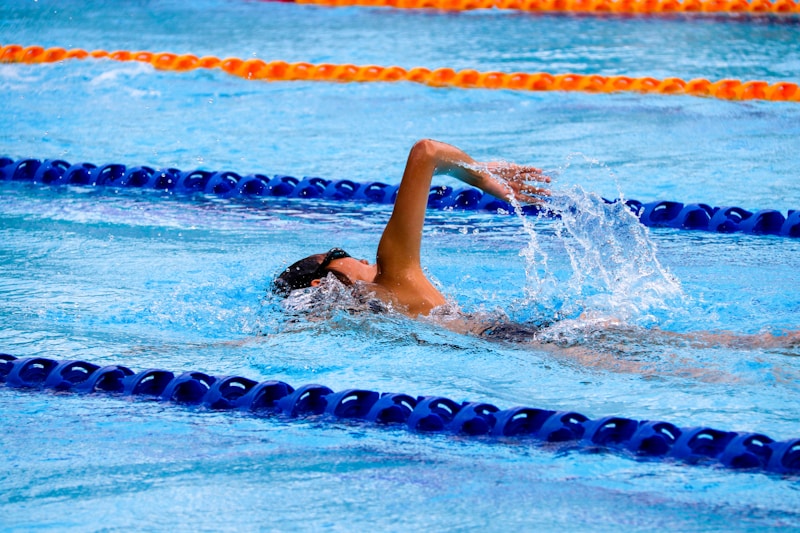
Swim a Mile in Open Water
Complete a significant open water swim.