Complete Yoga Teacher Training
From $1.5k
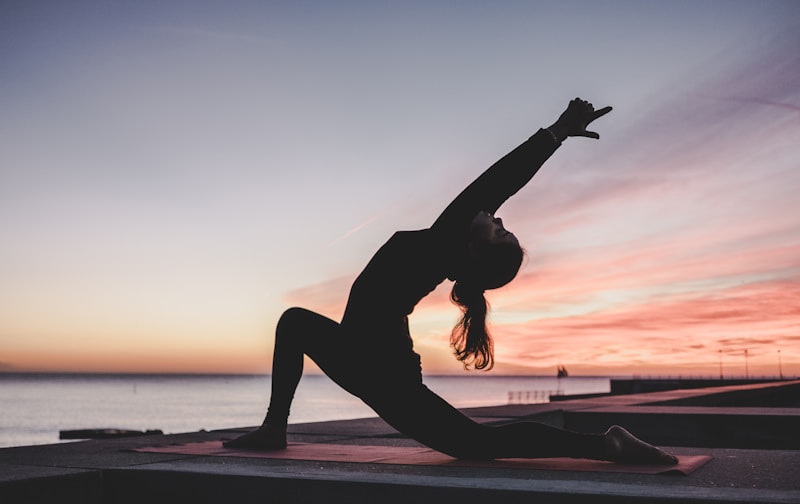
Complete Yoga Teacher Training
Deepen your practice through an immersive training program.
At a Glance
$1.5k+
200 hours (1-6 months depending on format)
Year-round
About This Experience
Yoga teacher training transforms practitioners' understanding of this ancient discipline regardless of whether they ever lead a class, offering immersive education in philosophy, anatomy, alignment, and history that casual studio attendance cannot provide. The standard 200-hour training—recognized by Yoga Alliance as the foundation for teaching certification—spans weeks or months depending on format and strips yoga back to its essence before rebuilding comprehensive understanding. Many participants enter with teaching aspirations and leave with deeper personal practice; others begin seeking personal growth and discover unexpected calling to teach. The curriculum of quality yoga teacher training extends far beyond physical postures. Philosophy components introduce the Yoga Sutras of Patanjali, the Bhagavad Gita, and other foundational texts that reveal yoga as comprehensive life philosophy rather than mere exercise. Anatomy instruction explains which muscles activate in each pose, how alignment protects joints, and why certain modifications suit certain bodies. Teaching methodology covers sequencing, cueing, adjustments, and the subtle art of reading a room full of practitioners at different levels. The breadth often surprises students expecting advanced posture instruction. Intensive residential formats compress the 200 hours into three to four weeks of total immersion, typically held in yoga destination locations like Bali, Costa Rica, or India. These intensives offer depth through continuous focus: morning practice, afternoon lecture, evening meditation, and constant community with fellow trainees creates transformative container. The separation from normal life allows full attention to the material, and the friendships formed through shared intensity often last years beyond training completion. Part-time formats spread training across several months of weekend sessions, allowing integration with work and family responsibilities that residential formats preclude. This approach offers different advantages: time to process and practice between sessions, immediate opportunities to apply learning in daily life, and community building with people who share your geographic region. The slower pace may deepen retention even if lacking the immersive intensity of compressed programs. The physical demands of teacher training challenge even experienced practitioners. Daily practice sessions, sometimes twice daily during intensives, accumulate into hours of asana that exceed typical weekly totals. Bodies adapt, but fatigue, soreness, and occasional minor injuries are common. Quality programs build in rest days and modify intensity as needed, but participants should expect to finish physically changed—sometimes stronger and more flexible, sometimes needing recovery time. The emotional dimensions of teacher training often surprise participants. Deep study of yoga philosophy raises existential questions; intensive practice surfaces stored physical and emotional tension; the vulnerability of teaching practice in front of peers triggers fears and defenses. Many trainees report emotional releases, profound insights, and personal transformation that extend well beyond physical practice. Quality programs create safe containers for this emotional work while maintaining appropriate boundaries. Choosing the right program requires clarity about your goals and learning style. Traditional lineage-based programs offer connection to established teaching traditions; contemporary programs may blend influences more eclectically. Research faculty credentials, read student reviews, understand the specific style taught, and honestly assess whether intensive or extended format suits your circumstances. The significant investment of time and money deserves careful consideration. The return on investment depends partly on subsequent engagement. Those who teach regularly use their training directly; those who don't must find other applications to justify the expense. The deepened personal practice that most graduates report provides ongoing value, as does the community of fellow trainees who become yoga companions. Many find that the vocabulary and concepts acquired during training enrich every subsequent class they take, transforming them from passive students into informed practitioners engaging thoughtfully with whatever teachers offer. Post-training integration requires intention. The expanded practice cultivated during training easily shrinks back toward pre-training levels without deliberate protection. Many graduates commit to teaching immediately, using the requirement to prepare classes as motivation for continued study. Others establish personal practice schedules that maintain training's benefits. The transformation offered by teacher training is genuine but requires ongoing cultivation to persist.
Cost Breakdown
Estimated costs can vary based on location, season, and personal choices.
Budget
Basic experience, economical choices
Mid-Range
Comfortable experience, quality choices
Luxury
Premium experience, best options
Difficulty & Requirements
Requires some preparation, skills, or resources.
Physical Requirements
Regular yoga practice
Prerequisites
- Consistent yoga practice (1+ years recommended)
Tips & Advice
Choose a Yoga Alliance registered program
Intensive formats are immersive, part-time fits life
Bali and India offer affordable immersive options
It's as much about personal growth as teaching
The physical asana is only a small part
Related Topics
Community Discussion
Ask questions, share tips, or read experiences from others.
View Discussions Start DiscussionShare This Experience
Quick Summary
- Category Wellness
- Starting Cost $1.5k
- Time Needed 200 hours (1-6 months depending on format)
- Best Season Year-round
- Difficulty Challenging
You Might Also Like
Get MBSR Certified
Complete the gold-standard mindfulness program.

Participate in a Plant Medicine Ceremony
Experience traditional ceremonial plant medicine.
Achieve the Full Splits
Develop flexibility to do front or side splits.

Achieve 10 Consecutive Pull-Ups
Build upper body strength to complete 10 pull-ups.