Explore Santorini, Greece
From $1.5k
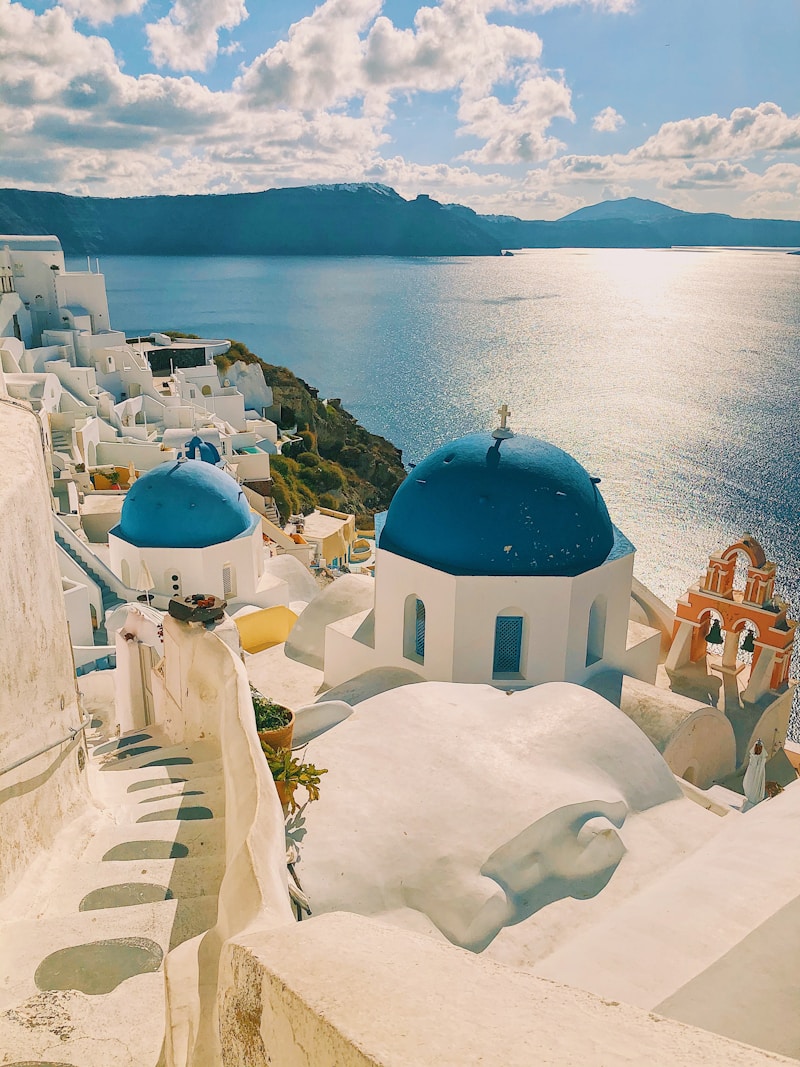
Explore Santorini, Greece
Wander through whitewashed villages perched on volcanic cliffs.
At a Glance
$1.5k+
4-7 days
Cyclades, Greece
May-June or September-October
About This Experience
Santorini rises from the Aegean Sea like a fever dream of white and blue, its villages cascading down volcanic cliffs toward waters so deeply azure they seem unreal. This crescent-shaped island, the remnant of one of history's most cataclysmic volcanic eruptions, has become synonymous with romance, beauty, and the quintessential Greek island experience. But beneath the Instagram-perfect surface lies a place of genuine wonder—a landscape forged by fire, shaped by centuries of human habitation, and blessed with light that photographers travel thousands of miles to capture. The island's dramatic topography owes everything to the Minoan eruption of around 1600 BC, one of the largest volcanic events in recorded history. The explosion—estimated at four times the power of Krakatoa—destroyed the island's center, leaving the curved caldera cliff we see today. Some scholars believe this eruption inspired the legend of Atlantis, and standing on the caldera rim watching the sunset, watching the submerged volcanic islands in the center of the bay, the theory feels plausible. You're looking into the crater of a sleeping giant. Oia (pronounced "ee-ah") has become Santorini's most famous village, and for good reason. Its white-washed buildings, blue-domed churches, and windmills cluster along the caldera rim in seemingly impossible configurations, connected by narrow paths and steep stairways. The sunset here has achieved legendary status—crowds gather hours early for the best viewpoints, erupting in applause as the sun sinks into the sea. It's touristy, yes, but the spectacle delivers: the light transforms, colors shift from gold to rose to purple, and the buildings glow against the darkening sky. But Santorini rewards those who venture beyond the famous sunset spot. Fira, the capital, offers a more authentic Greek atmosphere alongside its caldera views. Imerovigli, the highest village, provides perhaps the best panoramas while drawing smaller crowds. Pyrgos, an inland village largely bypassed by tourists, reveals what Santorini looked like before it became a global destination—narrow streets, local tavernas, and a medieval castle at its summit offering 360-degree views of the island and sea. The caldera itself demands exploration. Boat tours cruise the submerged volcanic crater, stopping at the still-active volcanic islands where you can hike to the crater and feel the heat of the earth beneath your feet. Hot springs near Palea Kameni offer a chance to swim in volcanically heated waters—the experience is more novel than luxurious, with sulfurous water that stains everything orange. As the boat returns in the evening, Santorini's villages glow golden in the late light, a vision that explains why this island appears on so many bucket lists. Santorini's volcanic soil produces remarkable wines, particularly Assyrtiko, a white wine grown nowhere else with such character. The vines are trained in basket shapes close to the ground, protecting grapes from the strong winds and harvesting moisture from morning fog. Visiting the island's wineries—many with caldera views that enhance any tasting—provides both cultural insight and sensory pleasure. The combination of volcanic minerals in the soil, intense sunlight, and limited rainfall creates wines of distinctive acidity and minerality. The beaches offer a different kind of volcanic wonder. The Red Beach features dramatic crimson cliffs and burgundy sand, creating a surreal landscape. The Black Beach at Perissa stretches for miles beneath the imposing Mesa Vouno mountain. The White Beach, accessible only by boat, provides yet another chromatic variation. These aren't the powder-white sands of tropical postcards, but they're unique to this geological setting, and swimming in the clear water with volcanic cliffs towering overhead provides its own form of beauty. The ancient city of Akrotiri, preserved under volcanic ash like a Greek Pompeii, offers glimpse into the sophisticated Minoan civilization that flourished here before the eruption. The excavated streets, multi-story buildings, and remarkably preserved frescoes reveal a society far more advanced than one might expect from 3,600 years ago. Standing in these streets, knowing that the volcano looming over them would soon erase everything, adds poignancy to the archaeological wonder. Santorini has challenges. Peak season brings cruise ship crowds that overwhelm the narrow streets of Oia and Fira. Prices are among the highest in Greece. The famous sites can feel more like theme parks than genuine experiences. But visit in shoulder season—May, early June, September, or October—and the island reveals its magic more generously. Wake early to watch sunrise paint the caldera cliffs. Find the local tavernas away from the main paths. Rent a car and explore the quieter eastern coast where you can swim in peace. The romance of Santorini isn't manufactured—it's earned. This island has survived catastrophic destruction and been rebuilt. Its white buildings don't just photograph well; they reflect the intense Greek sun, keeping interiors cool. Its stepped architecture isn't just picturesque; it maximizes the limited flat land. The blue domes aren't decorative; they indicate churches in a deeply religious society. Everything that makes Santorini beautiful arose from the practical adaptations of people living on a volcano's edge, in a climate of intense light and limited resources. As your ferry pulls away from Santorini, the caldera shrinking behind you, the island seems even more improbable than when you arrived. This crescent of white and blue, clinging to the rim of a drowned volcano, somehow became one of Earth's most beautiful places. It's a reminder that destruction and creation often intertwine, that human persistence can make beauty from catastrophe, and that some places really do live up to their photographs.
Cost Breakdown
Estimated costs can vary based on location, season, and personal choices.
Budget
Basic experience, economical choices
Mid-Range
Comfortable experience, quality choices
Luxury
Premium experience, best options
Difficulty & Requirements
Perfect for beginners. Minimal preparation needed.
Physical Requirements
Ability to walk on hilly terrain with stairs
Tips & Advice
Stay in Oia for the famous sunset views
Visit the red and black beaches
Take a boat tour of the caldera
Try the local Assyrtiko wine
Book sunset dinner reservations early
Related Topics
Community Discussion
Ask questions, share tips, or read experiences from others.
View Discussions Start DiscussionShare This Experience
Quick Summary
- Category Travel
- Starting Cost $1.5k
- Time Needed 4-7 days
- Best Season May-June or September-October
- Difficulty Easy
Explore More
You Might Also Like
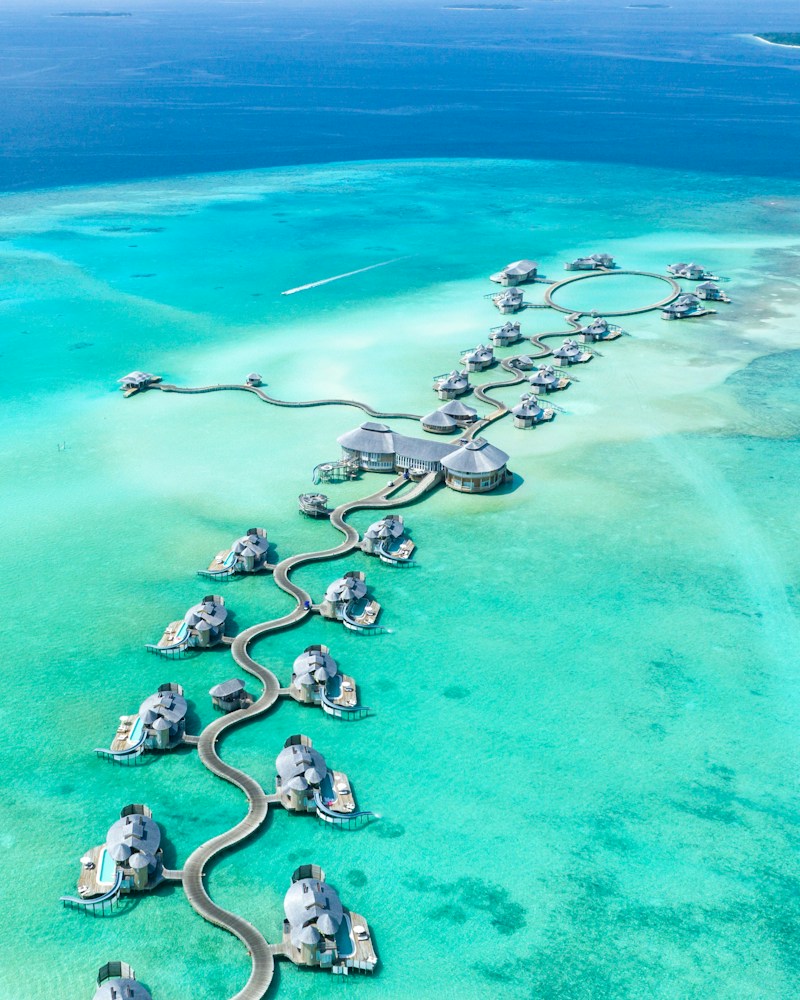
Stay in an Overwater Bungalow in the Maldives
Wake up to crystal-clear turquoise waters beneath your feet.
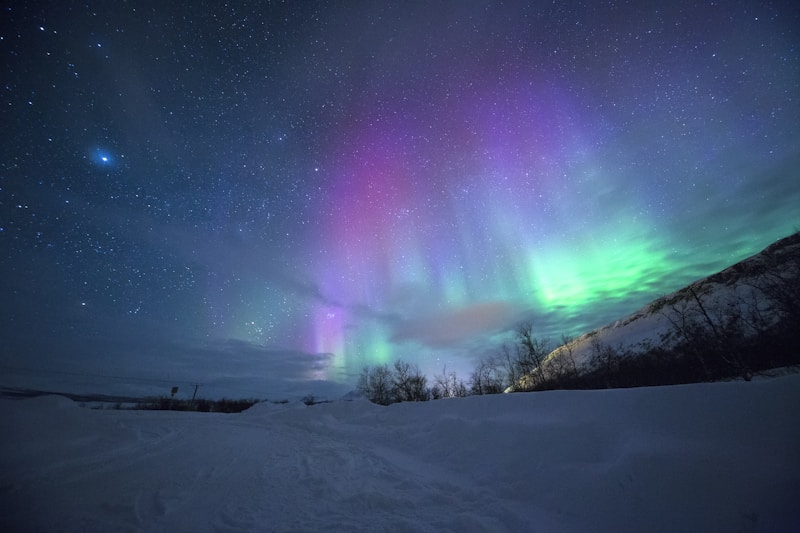
See the Northern Lights
Witness the magical aurora borealis dancing across the night sky.
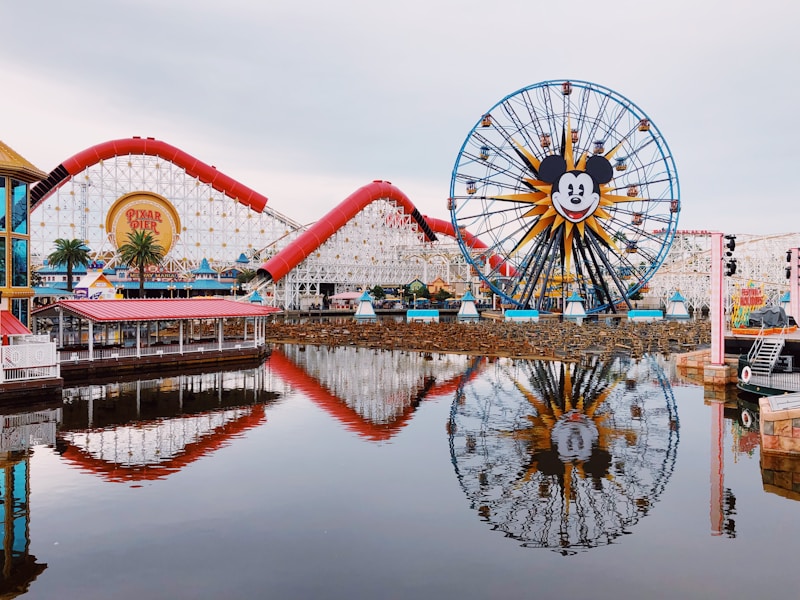
Road Trip Route 66
Drive the iconic "Mother Road" from Chicago to Santa Monica.

Go on an African Safari
Witness the Big Five and the great migration in their natural habitat.