Learn to Sew Your Own Clothes
From $100
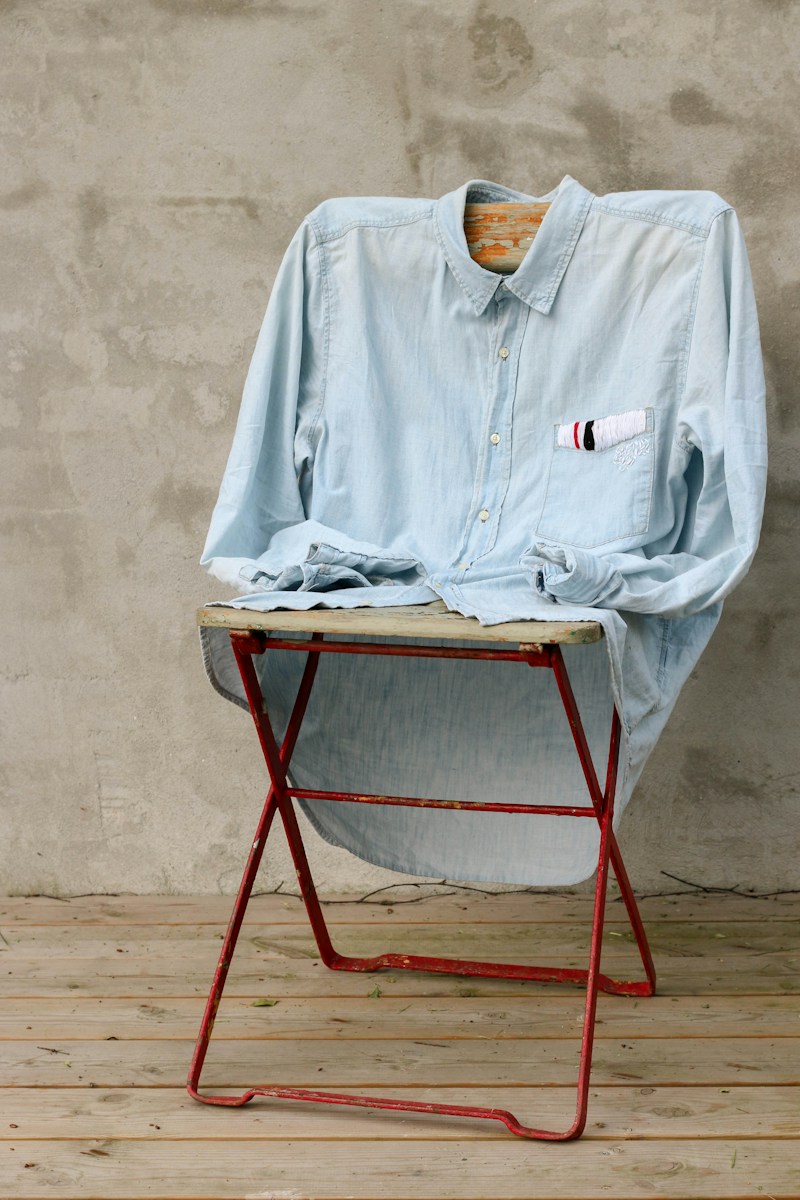
Learn to Sew Your Own Clothes
Make custom garments that fit perfectly.
At a Glance
$100+
Months for garments
Year-round
About This Experience
Sewing your own clothes provides custom fit that ready-to-wear garments cannot match, unique style that expresses individuality rather than following mass-market trends, and sustainable fashion choices that reduce reliance on exploitative global supply chains. The skills, once learned, last a lifetime and open creative possibilities that extend far beyond basic clothing construction. The sewing machine selection for beginners requires balancing capability against complexity. Basic mechanical machines sew reliably without overwhelming new users with features they won't initially use. Computerized machines offer expanded stitch options and automated features that benefit experienced sewers. The advice to buy quality—avoiding both the cheapest machines and unnecessary high-end features—applies here as in most tool purchases. The pattern reading skills enable translating flat paper shapes into three-dimensional garments. Commercial patterns include instruction sheets that guide cutting, marking, and construction sequence. Understanding pattern symbols, grainline indicators, and notch markings requires initial study but becomes automatic with experience. The pattern envelope provides finished garment measurements that help with size selection—which often differs from ready-to-wear sizing. The fabric selection affects both sewing experience and finished garment quality. Beginner-friendly fabrics—quilting cotton, chambray, light linen—are stable, non-stretchy, and forgiving of imprecision. Challenging fabrics—silks, sheers, knits, heavy coating—require technique refinements that develop over time. Matching fabric weight and drape to pattern requirements ensures that garments behave as designed. The fit adjustment represents sewing's major advantage over purchased clothing. Commercial patterns assume standard measurements that rarely match individual bodies exactly. Learning to measure yourself accurately, compare measurements to pattern specifications, and make adjustments before cutting produces garments that actually fit—a revelation for anyone whose body differs from industry standard. The construction sequence that patterns specify reflects decades of refined technique. The order of operations matters: joining certain seams before others enables easier access, pressing at specific points ensures flat seams, and finishing edges before assembly sometimes proves easier than after. Following pattern order while eventually understanding the reasoning behind it enables both reliable results and creative modification. The pressing emphasis in quality sewing surprises beginners who focus on stitching. "Sewers sew; tailors press" acknowledges that professional results depend more on pressing than on stitching quality. Pressing seams as you go, shaping with steam, and proper pressing technique distinguish handmade garments that look professional from those that look homemade. The community resources through online tutorials, sewing blogs, and pattern company forums provide support that previous generations of home sewers lacked. YouTube demonstrates techniques that text descriptions struggle to convey. Instagram inspires through finished projects and process sharing. The contemporary sewing community combines traditional skills with modern communication in ways that accelerate learning for motivated beginners.
Cost Breakdown
Estimated costs can vary based on location, season, and personal choices.
Budget
Basic experience, economical choices
Mid-Range
Comfortable experience, quality choices
Luxury
Premium experience, best options
Difficulty & Requirements
Requires some preparation, skills, or resources.
Physical Requirements
Fine motor skills
Prerequisites
- Sewing machine
- Patterns
Tips & Advice
Start with simple patterns (pajama pants, simple tops)
Quality fabric makes a difference
Learn to read your body measurements
Muslin mockups save expensive fabric
Online sewing communities are supportive
Related Topics
Community Discussion
Ask questions, share tips, or read experiences from others.
View Discussions Start DiscussionShare This Experience
Quick Summary
- Category Learning
- Starting Cost $100
- Time Needed Months for garments
- Best Season Year-round
- Difficulty Challenging
You Might Also Like
Build a Piece of Furniture
Learn woodworking and craft something beautiful with your hands.
Learn Pottery
Shape clay on the wheel and create functional art.
Take a Permaculture Design Course
Learn sustainable design principles for regenerative living.
Learn Beekeeping
Keep bees and harvest your own honey.